Enkehaus Pharmacy - Page 2
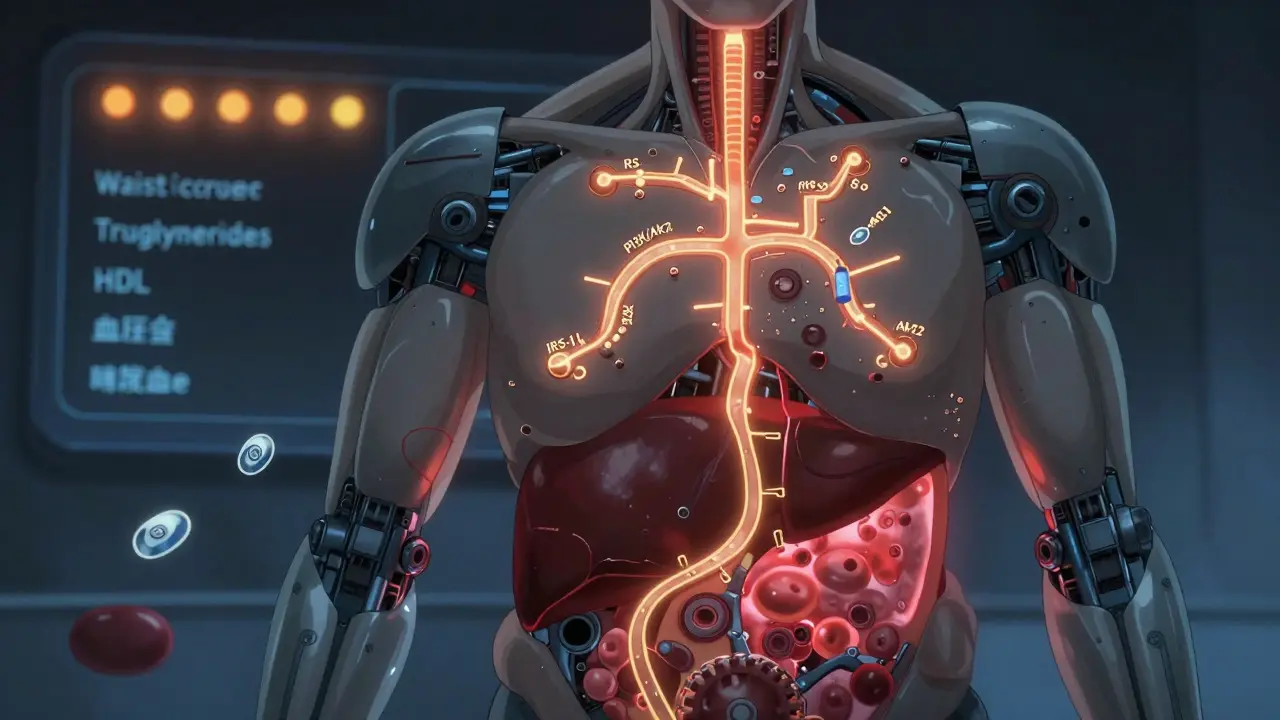
Type 2 Diabetes: Insulin Resistance and Metabolic Syndrome Explained
Feb, 17 2026Type 2 diabetes starts with insulin resistance, a hidden process that leads to metabolic syndrome. Learn how these conditions connect, why they’re dangerous, and what actually works to reverse them.
READ MORE
Selegiline Transdermal and Serotonergic Drugs: How to Avoid Dangerous Interactions
Feb, 14 2026Selegiline transdermal (EMSAM) reduces dietary risks but still causes deadly serotonin syndrome when mixed with common antidepressants, painkillers, or cold medicines. Learn the real risks, safe washout periods, and what to avoid.
READ MORE
How to Teach Family Members to Recognize Overdose Symptoms
Feb, 7 2026Learn how to teach family members to recognize overdose signs like unresponsiveness, slow breathing, and skin color changes. Includes step-by-step training methods, naloxone use, and real-world tips from health experts.
READ MORE
How to Transport Medications in Hot and Cold Weather
Feb, 7 2026Learn how to safely transport temperature-sensitive medications like insulin and vaccines in hot and cold weather. Avoid degradation, maintain potency, and prevent dangerous excursions with practical, expert-backed tips.
READ MORE
Tirzepatide for Weight Loss: How Dual Incretin Therapy Works and Why It's Effective
Feb, 6 2026Tirzepatide (Zepbound) combines GLP-1 and GIP actions to help lose up to 22.4% body weight. Learn how it works, compares to semaglutide, and real user experiences.
READ MORE
Perimenopause and Mood: Understanding Hormonal Influences and Treatment Options
Feb, 4 2026Perimenopause affects mood through hormonal fluctuations. Learn how estrogen, progesterone, and testosterone changes impact emotional health, differentiate from other disorders, and explore evidence-based treatments. Real-world data and current research insights.
READ MORE
How to Coordinate Medication Plans after Hospital Discharge
Feb, 3 2026Medication reconciliation after hospital discharge prevents dangerous errors by comparing your home meds with your discharge list. Learn how pharmacists, providers, and patients can work together to reduce readmissions and avoid harmful drug interactions.
READ MORE
Chemotherapy Hypersensitivity Reactions: Signs, Risks, and What to Do Immediately
Feb, 2 2026Chemotherapy hypersensitivity reactions can range from mild rashes to life-threatening anaphylaxis. Know the signs, which drugs trigger them, and what to do immediately if a reaction occurs.
READ MORE
Bronchiectasis: Managing Chronic Cough, Sputum Clearance, and Antibiotics
Feb, 1 2026Bronchiectasis is a chronic lung condition causing persistent cough and mucus buildup. Learn how daily airway clearance, targeted antibiotics, and hydration can slow progression and improve quality of life.
READ MORE
History of Generic Drugs in the United States: How Cheap Medicines Became the Norm
Jan, 31 2026Generic drugs now make up over 90% of U.S. prescriptions but cost only 23% of total drug spending. Their history spans 200 years-from unregulated pills to the Hatch-Waxman Act-and they’ve saved trillions. But shortages and price spikes still threaten access.
READ MORE
Psoriasis and Psoriatic Arthritis: Understanding the Autoimmune Link Between Skin and Joints
Jan, 30 2026Psoriatic arthritis links skin and joint inflammation in autoimmune disease. Learn how it develops, how it's diagnosed, and what treatments actually work-backed by 2025-2026 guidelines.
READ MORE
Bridging Studies for NTI Generics: Ensuring Safety and Efficacy in Critical Medications
Jan, 29 2026Bridging studies for NTI generics ensure that life-critical medications like warfarin and levothyroxine are as safe and effective as their brand-name versions. These specialized tests demand tighter bioequivalence standards and complex study designs to protect patients.
READ MORE