Tag: medication safety

How to Use FDA and WebMD Drug Interaction Checkers Safely
Aug, 18 2026Learn how to safely use WebMD and DrugBank checkers. Understand the limitations of these tools, why the FDA doesn't have a public checker, and best practices for avoiding harmful medication combinations.
READ MORE
Medication Safety for Chronic Conditions: Long-Term Use Tips
Jul, 3 2026Master medication safety for chronic conditions with practical tips on managing polypharmacy, avoiding drug interactions, and improving long-term adherence.
READ MORE
Pharmacogenomics: How Genetic Testing Improves Medication Safety
Jun, 13 2026Discover how pharmacogenomics uses genetic testing to improve medication safety and reduce adverse drug reactions. Learn about key genes, real-world benefits, and who should consider testing.
READ MORE
How to Transition from Hospital to Home Without Medication Errors
Jun, 2 2026Prevent dangerous medication errors after hospital discharge. Learn the Brown Bag Review, Teach-Back method, and critical follow-up steps to ensure safe transitions home.
READ MORE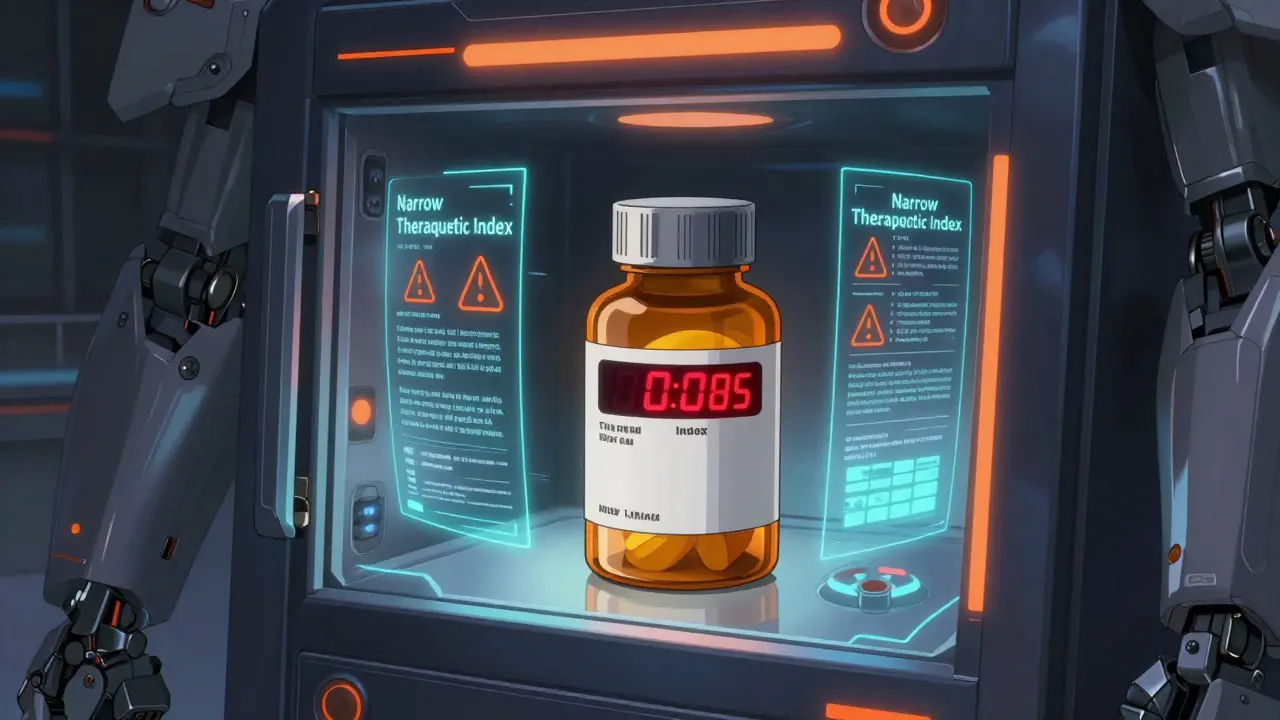
Narrow Therapeutic Index Drugs: Why Expiration Dates Are Non-Negotiable
May, 23 2026Learn why Narrow Therapeutic Index (NTI) drugs like warfarin and lithium pose severe risks when expired. Understand the science behind drug potency, FDA guidelines, and why expiration dates are non-negotiable for these critical medications.
READ MORE
How to Update Your Allergy List Across All Healthcare Providers
Mar, 31 2026A comprehensive guide on how to accurately update your allergy list across different healthcare providers to prevent medication errors and ensure patient safety.
READ MORE
Medication Safety for College Students and Young Adults: What You Need to Know
Mar, 17 2026Prescription drug misuse is rising among college students, especially stimulants like Adderall. Learn how to store, use, and dispose of medications safely - and why sharing pills is more dangerous than you think.
READ MORE
How to Read Prescription Labels to Avoid Dangerous Drug Interactions
Jan, 20 2026Learn how to read prescription labels to spot dangerous drug interactions. Know where to look, what to avoid, and how to protect yourself from preventable health risks.
READ MORE
How to Safely Document Drug Allergies in Your Medical Records
Dec, 10 2025Accurately documenting drug allergies in your medical records saves lives. Learn exactly what to write, why details matter, and how to ensure your record is correct to avoid dangerous medication errors.
READ MORE
Using One Pharmacy for Safety: How Consolidating Prescriptions Reduces Drug Interactions
Dec, 8 2025Using one pharmacy for all prescriptions reduces dangerous drug interactions, prevents duplicate meds, and improves safety. Learn how med sync works and why consolidating your prescriptions matters.
READ MORE
Pregnancy Registries: What We’re Learning About Medication Safety
Dec, 6 2025Pregnancy registries collect real-world data on medication use during pregnancy to identify potential risks to fetal development. They're not perfect, but they're the best tool we have to move beyond guesswork and protect both mothers and babies.
READ MORE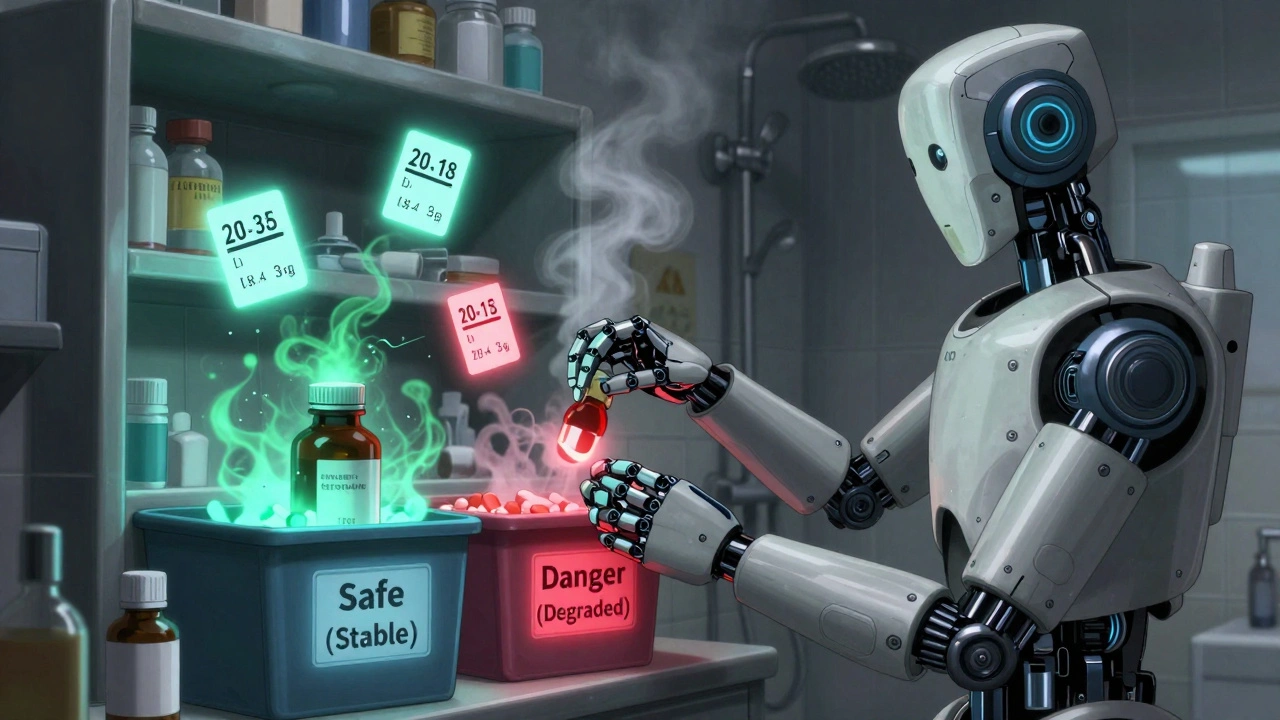
Are Expired Medications Safe to Take or Should You Replace Them
Dec, 1 2025Expired medications aren't all dangerous, but some can be deadly. Learn which pills are still safe to use, which ones to replace immediately, and how to dispose of them properly.
READ MORE