 May, 23 2026
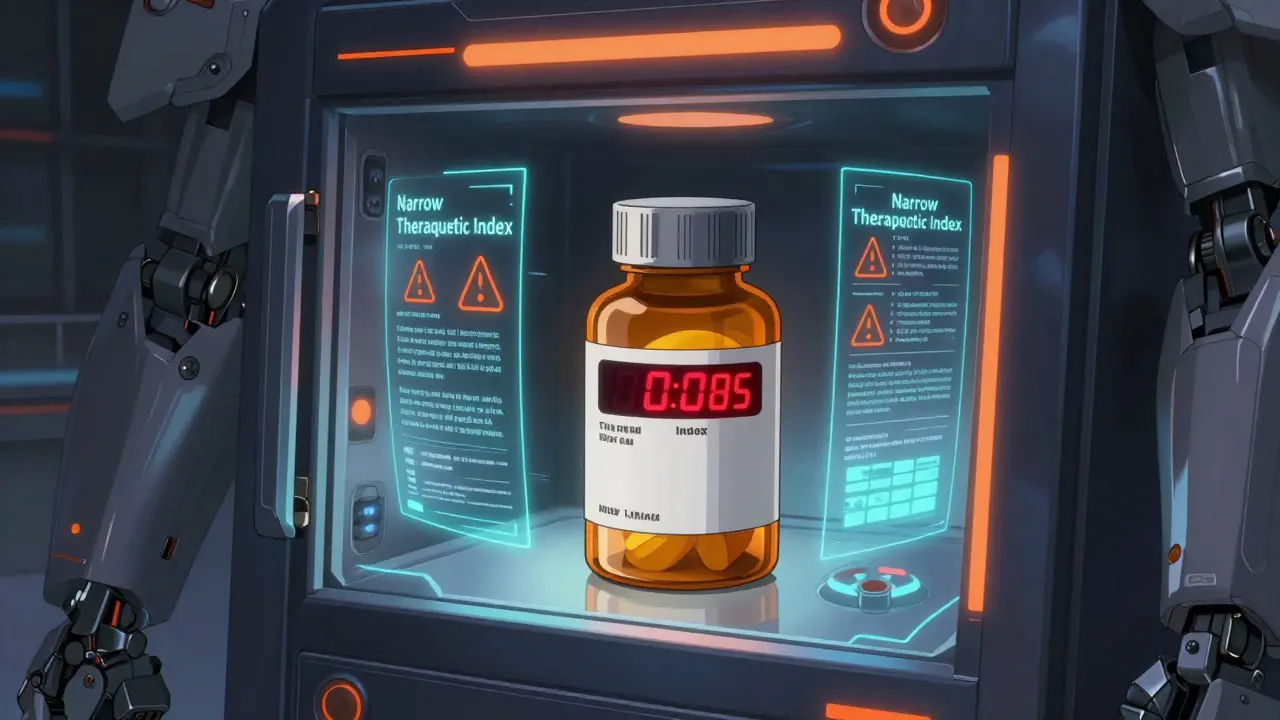
Most of us have stood in front of a medicine cabinet, staring at a bottle of leftover antibiotics or painkillers past their printed date, wondering if it’s really that big of a deal. For the vast majority of common drugs-like ibuprofen or acetaminophen-the answer is usually no. They might lose a tiny bit of strength over time, but they rarely become dangerous. But there is a specific group of medications where this casual approach can be fatal. These are Narrow Therapeutic Index (NTI) drugs, medications where the difference between a helpful dose and a toxic one is dangerously small.
If you take these critical medicines, tossing them out because they’re "only a month late" isn’t just good practice; it’s a survival strategy. The margin for error with NTI drugs is so thin that even minor degradation caused by expiration can push your blood levels from safe to deadly. Let’s look at why these drugs are different, which ones fall into this high-risk category, and why the expiration date on them is not just a suggestion.
What Makes a Drug "Narrow Therapeutic Index"?
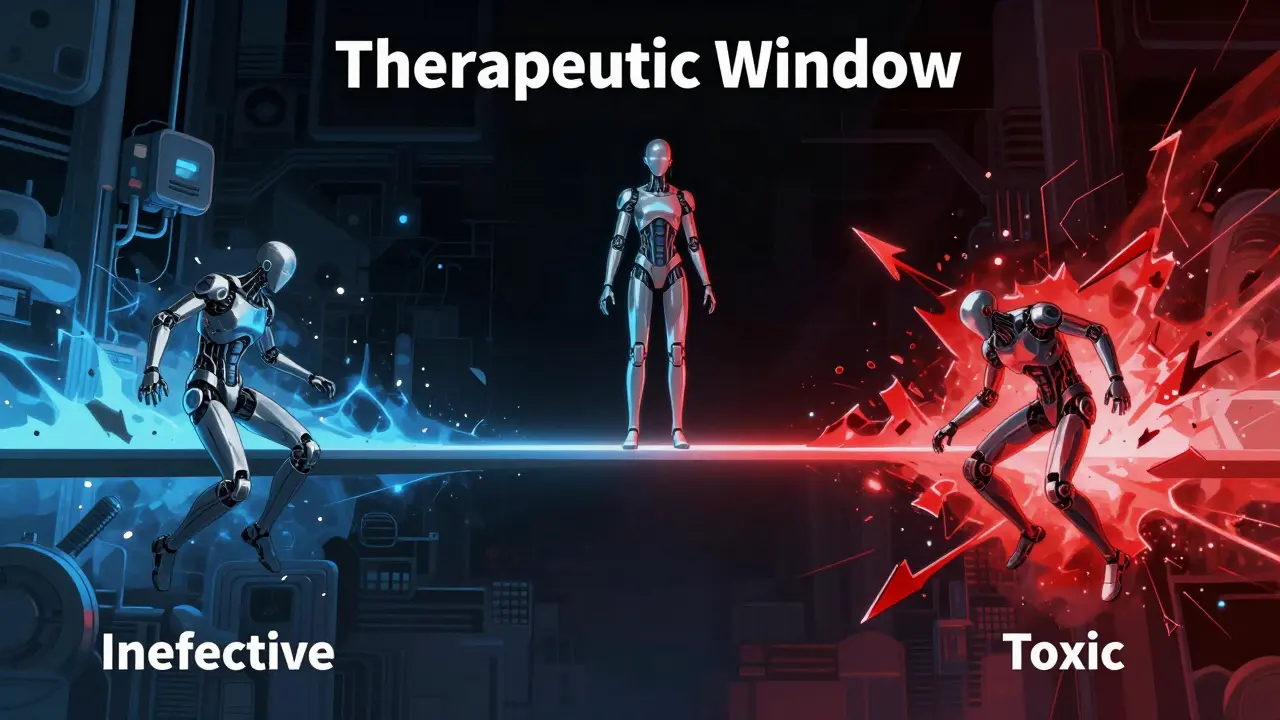
To understand the risk, you first need to grasp what the term actually means. In pharmacology, every drug has a "therapeutic window." This is the range of concentration in your blood where the drug works effectively without causing harm. For most medications, this window is wide. Think of it like driving a car: you can go 55 mph or 65 mph, and you’ll get there safely either way. A little variance doesn’t matter much.
With NTI drugs, the window is narrow. Imagine driving a race car where going 1 mph too slow means you stall, and going 1 mph too fast means you crash. The U.S. Food and Drug Administration (FDA) defines these as drugs where small differences in dose or blood concentration may lead to serious therapeutic failures or adverse drug reactions that are life-threatening. According to Health Canada, these drugs often have less than a twofold difference between the minimum effective concentration and the minimum toxic concentration.
This classification wasn’t always formalized. It became a distinct pharmaceutical category requiring special handling in the 1980s when therapeutic drug monitoring became standard. Today, the FDA mandates tighter quality controls for these drugs because the consequences of getting the dose wrong are severe. We aren't talking about a mild headache; we're talking about hospitalization, permanent disability, or death.
The High-Risk List: Common NTI Medications
You don’t need to be a pharmacist to know if you’re on an NTI drug, but it helps to recognize the names. These medications treat serious, often chronic conditions where stability is key. Here are some of the most common examples:
- Warfarin: An anticoagulant used to prevent blood clots. If the dose is too low, you risk a stroke or pulmonary embolism. If it’s too high, you risk internal bleeding.
- Lithium: Used for bipolar disorder. Blood levels must stay within a tight range to manage mood swings without causing kidney damage or neurological toxicity.
- Digoxin: Treats heart failure and irregular heartbeats. The gap between a therapeutic dose and a toxic one is incredibly slim.
- Phenytoin: An antiepileptic drug. Missing a dose or having inconsistent absorption can trigger seizures.
- Levothyroxine: Synthetic thyroid hormone. Small fluctuations can disrupt metabolism, energy levels, and heart function.
- Tacrolimus: An immunosuppressant taken by organ transplant recipients. Too little risks organ rejection; too much damages the kidneys.
- Carbamazepine: Another anticonvulsant used for seizures and nerve pain.
If any of these bottles sit in your home, they require a level of respect and attention that aspirin does not. The North Carolina Board of Pharmacy notes that these drugs often have "limited or erratic absorption," meaning your body doesn’t process them predictably anyway. Adding expiration-related degradation to that mix creates a perfect storm for dosing errors.
Why Expiration Matters More for NTI Drugs
Here is the core problem: Pharmaceutical expiration dates represent the time period during which the manufacturer guarantees full potency and safety under specified storage conditions. For a standard painkiller, losing 10% of its potency after expiration might mean it takes two pills instead of one to stop a headache. Annoying, but not catastrophic.
For an NTI drug, that same 10% loss can be lethal. Consider warfarin. Patients with mechanical heart valves need their International Normalized Ratio (INR)-a measure of how long it takes blood to clot-to stay between 2.5 and 3.5. If an expired warfarin tablet has degraded slightly, providing less active ingredient than labeled, your INR could drop below the therapeutic range. This increases the risk of life-threatening thrombosis. Conversely, if a degradation product makes the drug more potent or alters how it’s absorbed, your INR could spike above 4.0, putting you at risk for severe hemorrhage.
The FDA’s bioequivalence standards highlight this sensitivity. For generic versions of most drugs, the FDA allows a concentration range of 80% to 125% compared to the brand name. That’s a 25% variance allowance. For NTI drugs like tacrolimus and phenytoin, the FDA requires a much tighter range of 90% to 111%. That’s only an 11% variance. When a drug degrades past its expiration date, it falls outside these strict manufacturing controls. Even a 5% degradation could represent nearly half of the acceptable bioequivalence range for these sensitive medications.
The Myth of the "Shelf-Stable" Expired Pill
You may have heard stories about the military stockpiling expired drugs or studies suggesting most meds retain 90% potency for years. While it’s true that many stable solid oral dosage forms remain potent long after their expiry, this generalization is dangerous when applied to NTI drugs.
A study published in the *Journal of Clinical Pharmacy and Therapeutics* documented that small differences in dose for NTI drugs lead to serious therapeutic failures. The American Society of Health-System Pharmacists points out that for digoxin, the therapeutic range is 0.5-0.9 ng/mL, with toxicity occurring above 1.2 ng/mL. That is a mere 33% increase from the upper limit to the toxic threshold. If an expired digoxin tablet behaves erratically due to chemical breakdown, you have no way of knowing if you’ve crossed that line.
Furthermore, degradation isn’t always just about losing strength. Some drugs form toxic compounds as they break down. While tetracycline is the classic example of this (forming nephrotoxic products), the principle applies broadly: chemical instability introduces unknown variables. With NTI drugs, you cannot afford unknown variables. The Institute for Safe Medication Practices (ISMP) recommends treating all NTI medications as "high-alert medications," requiring double-checks and independent verification. Using an expired version bypasses all safety nets.
Storage Conditions Accelerate Risk
Expiration dates assume ideal storage conditions: room temperature, away from light and moisture. How many of us store our meds in a bathroom cabinet? Bathrooms are hot and humid. Heat and moisture accelerate chemical degradation. For an NTI drug stored in a humid environment, the clock ticks faster. A pill that says it expires in 2027 might effectively expire in 2026 if left next to a shower.
Light exposure also matters. Some NTI drugs are photosensitive. If the bottle was clear or frequently opened to sunlight, the active ingredients may have broken down well before the printed date. This is why the FDA emphasizes "specified storage conditions." If you haven’t kept the drug exactly as directed, the expiration date is already a best-case scenario, not a guarantee.
What Should You Do?
The guidance here is straightforward and non-negotiable. If you take a Narrow Therapeutic Index drug, you should never use it past its expiration date. There is no cost-benefit analysis that makes sense here. The potential savings of $10 on a refill do not compare to the risk of a stroke, seizure, or organ rejection.
- Check the Date Monthly: Make it a habit to check the expiration dates on your NTI medications every month when you restock. Set a reminder on your phone.
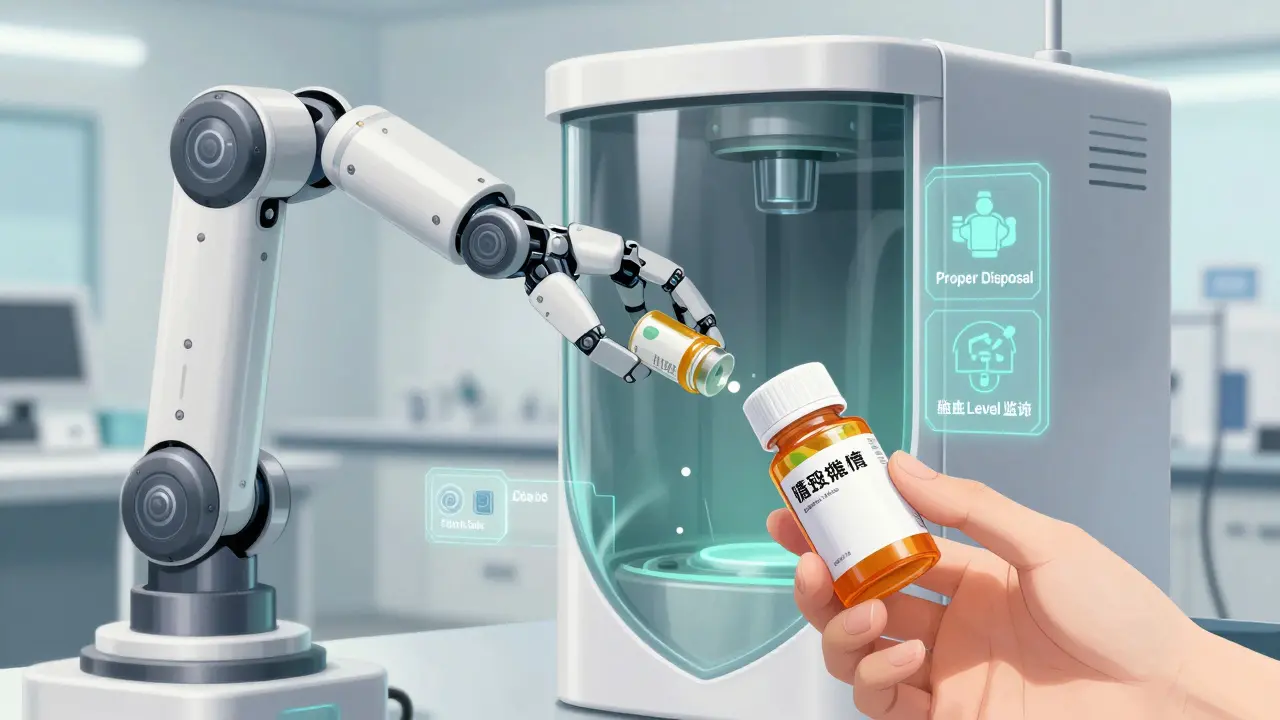
- Dispose Properly: Don’t flush them unless the label specifically says to (few do). Take them to a pharmacy or a community drug take-back program. The DEA hosts National Prescription Drug Dispose Days, and many local pharmacies accept them year-round.
- Monitor Levels Closely: If you suspect a medication was stored poorly or is near expiration, ask your doctor for therapeutic drug monitoring (TDM). For drugs like lithium and phenytoin, blood tests can tell you exactly what’s happening in your system.
- Stick to One Brand/Generic Manufacturer: Because NTI drugs are so sensitive, switching between brands or manufacturers can sometimes cause fluctuations. Ask your pharmacist to keep you on the same source whenever possible, and ensure those supplies are fresh.
Healthcare providers are increasingly aware of these risks. The European Medicines Agency and the FDA are both developing stricter guidelines for NTI drugs, acknowledging that small changes in exposure can lead to unacceptable toxicity. Until specific regulations cover post-expiration stability for each individual NTI drug, the safest path is clear: throw it out and get a new prescription.
Can I take an NTI drug if it is only a few days past the expiration date?
No. With Narrow Therapeutic Index drugs, even minor degradation can shift blood concentrations outside the safe window. Unlike common pain relievers, there is no buffer zone. A few days of additional degradation in a sensitive molecule like warfarin or lithium can alter efficacy or toxicity unpredictably. Always use a fresh supply.
How can I tell if my medication has degraded?
You usually can’t. Chemical degradation often happens at a molecular level without visible changes in color, smell, or texture. Relying on sensory checks is unsafe for NTI drugs. The expiration date is the only reliable indicator of guaranteed potency.
Are all generic NTI drugs safe to substitute?
Generally yes, but with caution. The FDA requires tighter bioequivalence standards (90-111%) for generic NTI drugs compared to regular drugs (80-125%). However, some patients are sensitive to even small variations between manufacturers. If you switch generics, monitor your blood levels closely and consult your doctor.
Does storing meds in the bathroom affect expiration?
Yes, significantly. Bathrooms are typically warm and humid, which accelerates chemical breakdown. Expiration dates assume cool, dry storage. Storing NTI drugs in a bathroom can reduce their effective shelf life, making them potentially unsafe even before the printed date.
What should I do with expired NTI medications?
Do not flush them unless instructed. The safest method is to take them to a pharmacy or a designated drug take-back location. Many communities have permanent collection bins or periodic disposal events. This prevents accidental ingestion and protects the environment.
Groman Neta
May 24, 2026 AT 21:08You really think people are stupid enough to ignore a label that literally says 'do not use after'? It is almost insulting to assume the general population cannot read. The FDA has been screaming this for decades, yet here we are, writing articles like everyone is an infant who needs hand-holding. If you take warfarin and don't know what it does, you have already failed yourself. This isn't rocket science; it is basic literacy. Stop coddling adults with these fear-mongering essays.
Russell Russell
May 26, 2026 AT 02:28It is important to recognize that knowledge empowers us all. Many individuals may not have access to consistent medical education or clear labeling in their communities. We should approach this topic with compassion rather than judgment. Understanding the nuances of pharmacology allows us to support one another better. Let us strive to be mentors who lift others up instead of looking down on those who might make mistakes. Education is a collective responsibility.
Naresh Chandra
May 27, 2026 AT 22:17I completely understand why this information can feel overwhelming!; especially when dealing with chronic conditions.; The stress of managing medications is real!; and adding expiration dates into the mix creates unnecessary anxiety!; Please remember that you are not alone in this journey!; many people struggle with medication management!; and it is okay to ask for help!; your pharmacist is there to support you!; do not hesitate to reach out!; your health matters immensely!;
Cyburg Adeoye
May 29, 2026 AT 21:07This is such a vital discussion regarding therapeutic drug monitoring protocols!; The bioequivalence variance for NTI drugs is indeed significantly tighter!; which necessitates rigorous adherence to stability data!; I encourage everyone to engage with their healthcare providers about specific storage parameters!; humidity control is paramount!; let us foster a community of informed patients!; who prioritize pharmacokinetic integrity!; together we can optimize therapeutic outcomes!; stay proactive!;
Joseph Teichman
May 30, 2026 AT 17:06just throw it out man. dont risk it. i had a friend who tried saving money on lithium and ended up in the er. waste of time worrying about it. just get new pills. simple as that. no big deal if you just follow the rules. keep it easy.
Grace Gayle McMullen
June 1, 2026 AT 11:18i mean, its true but like, most people dont even know what nt means lol. i always forget to check my meds until theyre gone. also bathrooms are gross so yeah, maybe stop storing stuff there? just a thought. but seriously, if you cant afford fresh meds, thats a bigger problem than the date on the bottle. systemic issues yknow?
Angela Niculescu
June 2, 2026 AT 14:04Oh please, spare me the lecture. I've been taking expired antibiotics for years without dying. Maybe some of you just need to toughen up. The military stockpiles them for a reason. It's not like the pill turns into poison overnight. You're all too sensitive and scared of everything. Live a little.
Victoria Mangiapane
June 3, 2026 AT 12:57OMG this is literally terrifying!! I had no idea my thyroid meds were basically bombs sitting in my bathroom cabinet!!! Why did nobody tell me before?! I'm going to go throw everything away right now!! This is so dramatic but also so important!! Thanks for saving my life apparently!!