Tag: generic drugs

Quality concerns: when clinicians question generic manufacturing
Mar, 21 2026Clinicians are raising alarms about generic drug quality as manufacturing shifts overseas. With 54% higher adverse events linked to Indian-made generics and outdated facilities, the system is under strain. Transparency, domestic production, and modern manufacturing may be the keys to safer medications.
READ MORE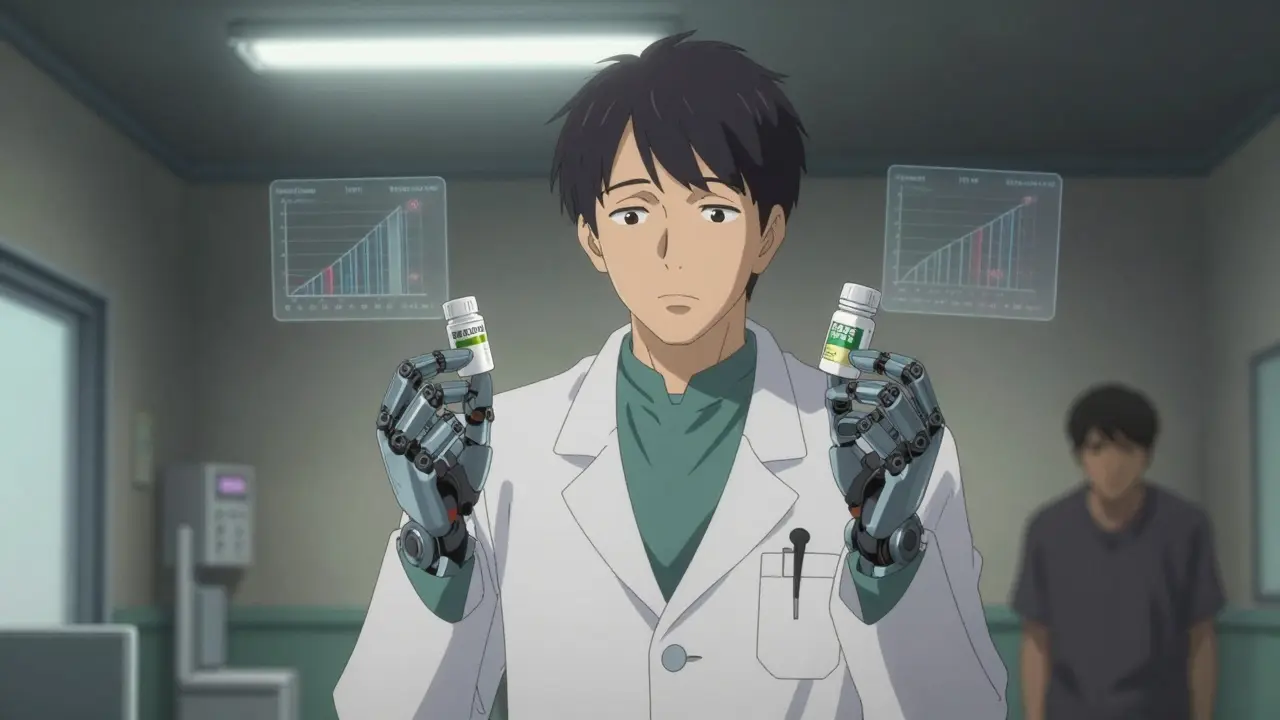
Doctor Attitudes Toward Generic Drugs: What Providers Really Think
Mar, 12 2026Despite generics making up 90% of prescriptions, many doctors still doubt their effectiveness. This article breaks down what providers really think, why they hesitate, and how better education is changing minds.
READ MORE
History of Generic Drugs in the United States: How Cheap Medicines Became the Norm
Jan, 31 2026Generic drugs now make up over 90% of U.S. prescriptions but cost only 23% of total drug spending. Their history spans 200 years-from unregulated pills to the Hatch-Waxman Act-and they’ve saved trillions. But shortages and price spikes still threaten access.
READ MORE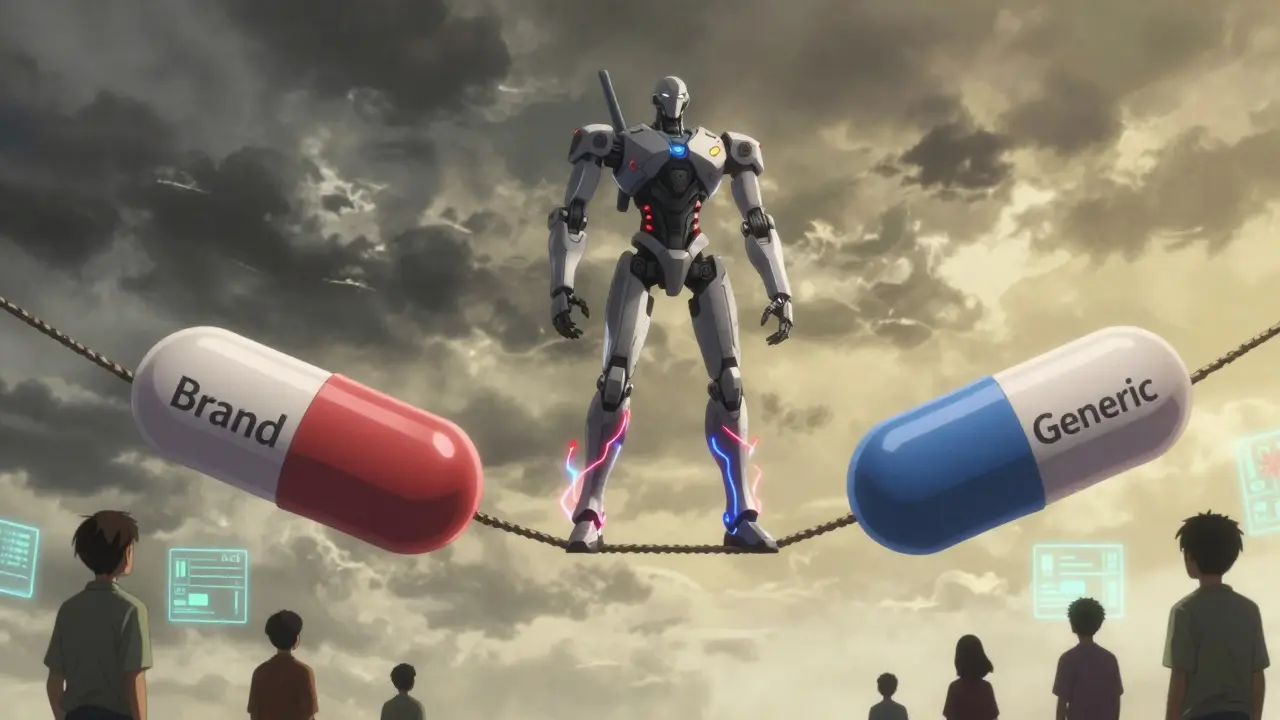
Bridging Studies for NTI Generics: Ensuring Safety and Efficacy in Critical Medications
Jan, 29 2026Bridging studies for NTI generics ensure that life-critical medications like warfarin and levothyroxine are as safe and effective as their brand-name versions. These specialized tests demand tighter bioequivalence standards and complex study designs to protect patients.
READ MORE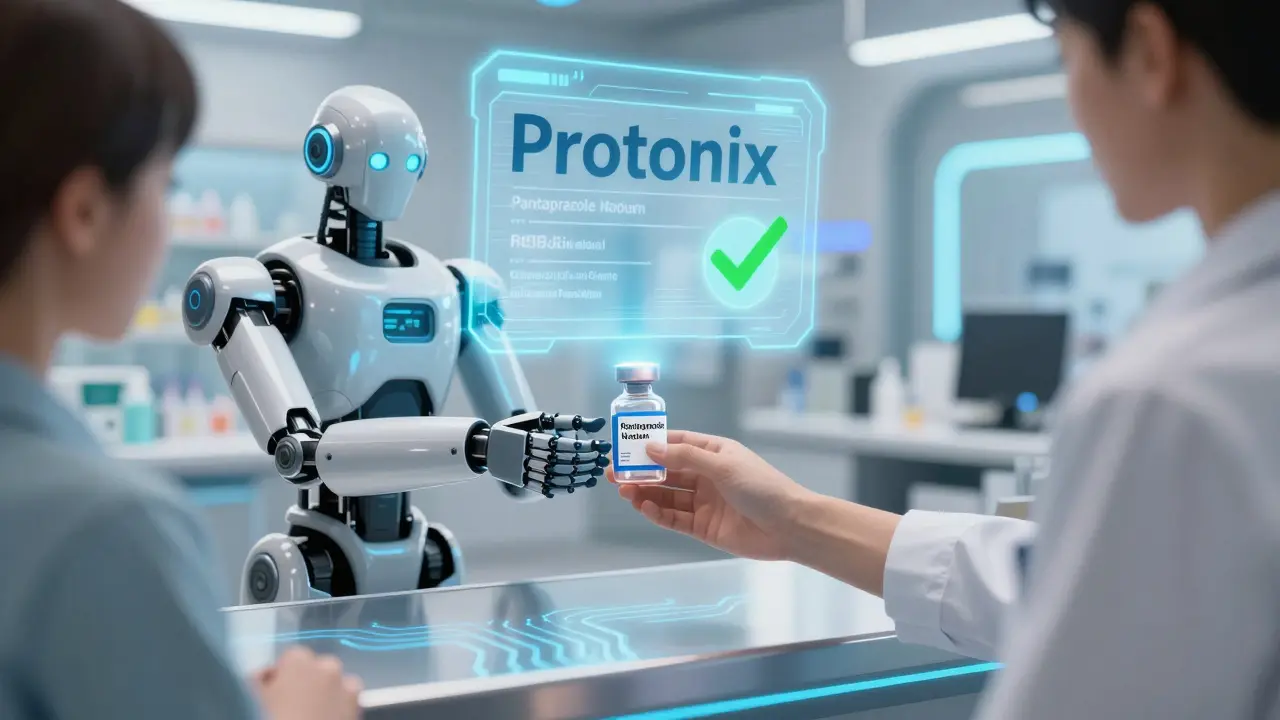
Insurance Coverage of Authorized Generics: How Formulary Placement Affects Costs and Access
Jan, 12 2026Authorized generics offer brand-equivalent drugs at generic prices. Learn how insurance formularies treat them, why they save money, and how to get coverage for your prescriptions.
READ MORE
Combo Generics vs Individual Components: Cost Comparison
Dec, 1 2025Branded combo pills can cost 10x more than buying the same drugs as separate generics. Learn why this happens, who pays the difference, and what you can do to save money on your prescriptions.
READ MORE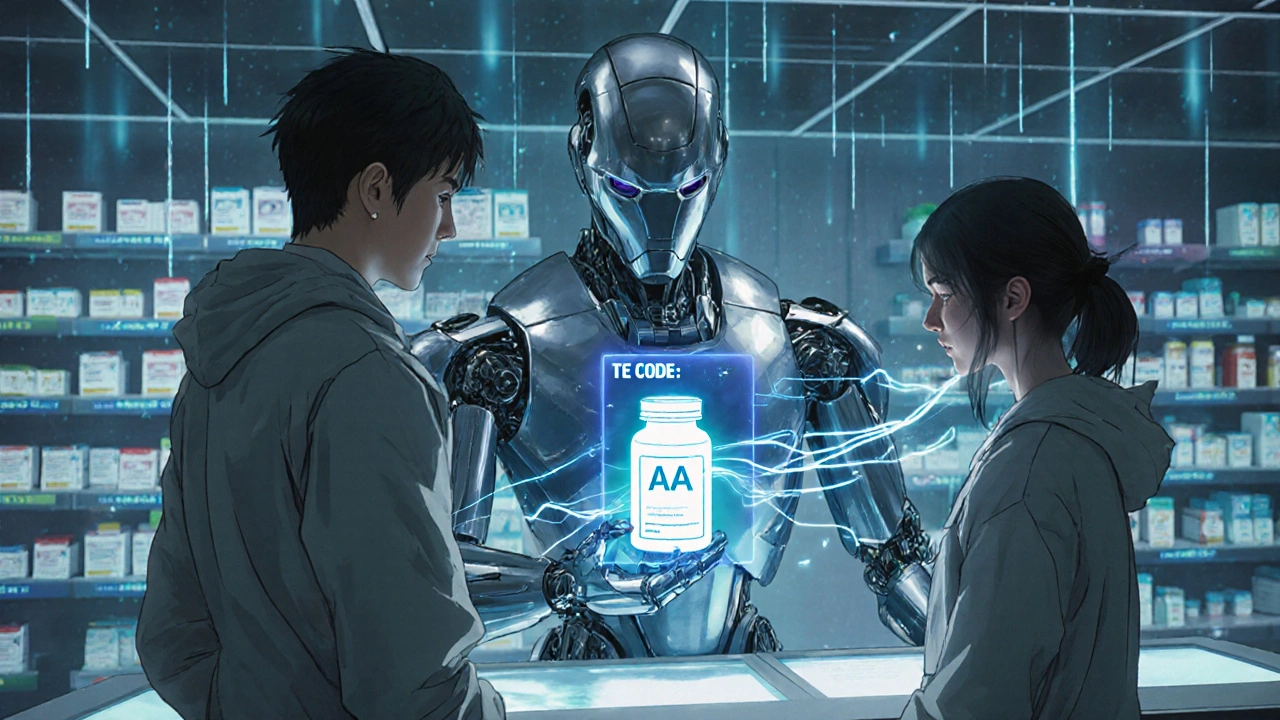
Therapeutic Equivalence Codes (TE Codes) Explained: How Generic Drugs Are Approved and Substituted
Nov, 16 2025Therapeutic Equivalence Codes (TE Codes) tell pharmacists which generic drugs are safe to swap for brand-name versions. Learn how the FDA uses science to ensure generics work the same, save money, and what to watch out for.
READ MORE