 Jan, 8 2026
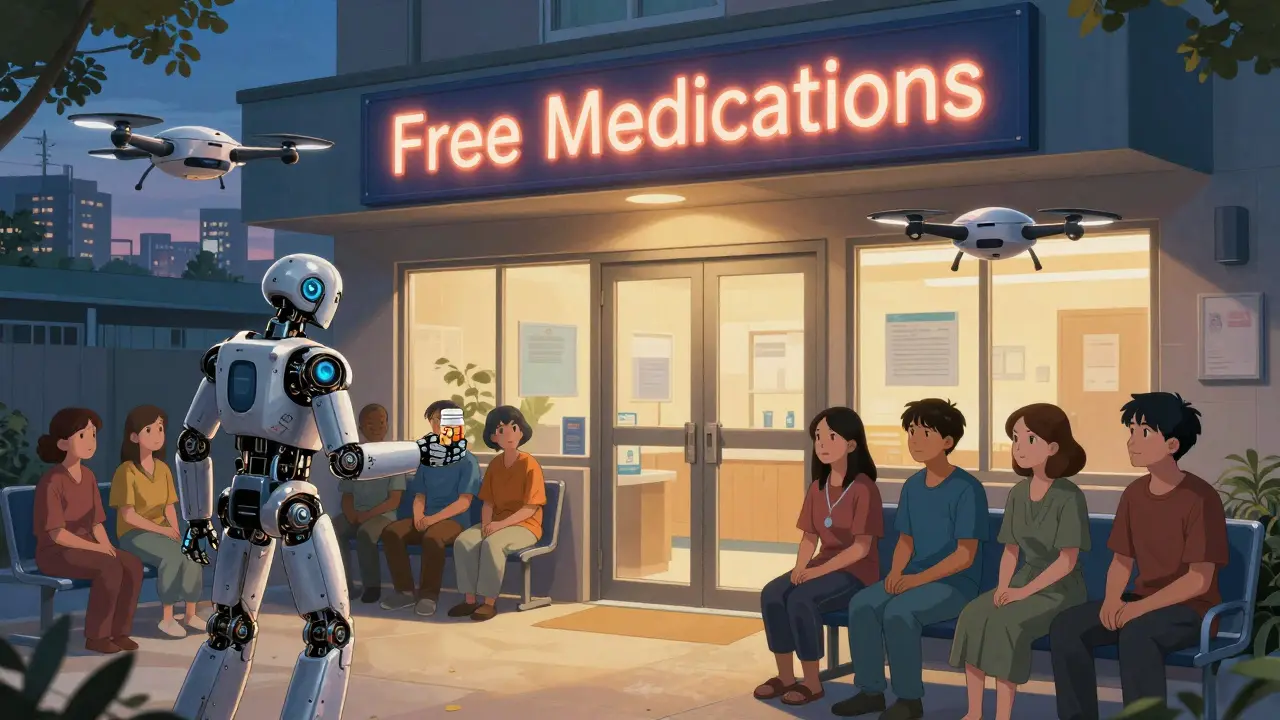
Getting the medications you need shouldn’t mean choosing between rent and refills. For millions of Americans without insurance or with coverage that doesn’t cover prescriptions, community clinics are a lifeline. These clinics don’t just offer doctor visits-they give out pills for diabetes, high blood pressure, asthma, and depression, often at no cost. But finding them isn’t always easy. You need to know where to look, what to bring, and how the system actually works.
What Kind of Clinics Give Out Free Medications?
Not all clinics are the same. There are three main types that provide free or low-cost meds:- Federally Qualified Health Centers (FQHCs): These are government-funded clinics that serve everyone, regardless of income or insurance. They charge based on what you can afford-sometimes as little as $10 for a visit and meds. You’ll find them in cities and rural areas alike. They’re the most reliable option because they get steady funding.
- Free and Charitable Clinics: These are run by nonprofits, volunteers, and donations. They typically serve only people without insurance and earning under 200% of the federal poverty level (about $29,160 a year for one person). Medications here are often completely free, but hours are limited, and waitlists are common.
- Pharmaceutical Assistance Programs: Some clinics partner with drug companies like Teva or Americares to get donated medicines. These aren’t standalone clinics-they’re programs inside clinics that help patients get brand-name drugs for free. For example, if you need insulin or antidepressants, this is often where you’ll find them.
Most people who use these services are working but still can’t afford their prescriptions. A 2023 report from the AAFP Foundation found that most new patients at free clinics have jobs-often in retail, food service, or construction-but their paychecks don’t stretch far enough to cover copays, deductibles, or out-of-pocket drug costs.
How to Find a Clinic Near You
Start with two tools that actually work:- Go to findahealthcenter.hrsa.gov-this is the official U.S. government site for locating FQHCs. Enter your zip code, and it shows you clinics nearby with sliding fee scales. You don’t need insurance to qualify.
- Visit nafcclinics.org-the National Association of Free & Charitable Clinics. This site lists over 1,400 clinics across all 50 states. Each listing tells you if they offer medications, mental health care, or chronic disease management.
Some states have their own directories too. For example, if you’re in Virginia, check vafreeclinics.org. These state sites often list smaller clinics that don’t appear on national databases.
Don’t assume the nearest clinic has what you need. Call ahead. Ask: “Do you have an in-house pharmacy?” “Do you help with diabetes or mental health meds?” “Do you accept patients without insurance?” Some clinics only hand out meds for specific conditions like hypertension or asthma. Others focus on mental health-like the Community Routes program, which gives out free anxiety and depression meds in California, Florida, and New Jersey.
What You Need to Bring
Most clinics require proof of three things:- Income: Recent pay stubs, tax returns, or a letter from your employer. If you’re unemployed, bring unemployment paperwork or a statement from a social service agency.
- Residency: A utility bill, lease agreement, or mail with your name and address. Some clinics serve only people within a specific county or city.
- Medication list: Bring the names and dosages of any drugs you’re currently taking-even if you can’t afford them anymore. This helps the clinic match you with the right assistance program.
You don’t need a photo ID in most cases, but having one helps speed things up. If you’re underinsured-meaning you have insurance but can’t afford copays-bring your insurance card and explain your situation. Many clinics help patients apply for extra aid even if they technically have coverage.
How Medications Are Provided
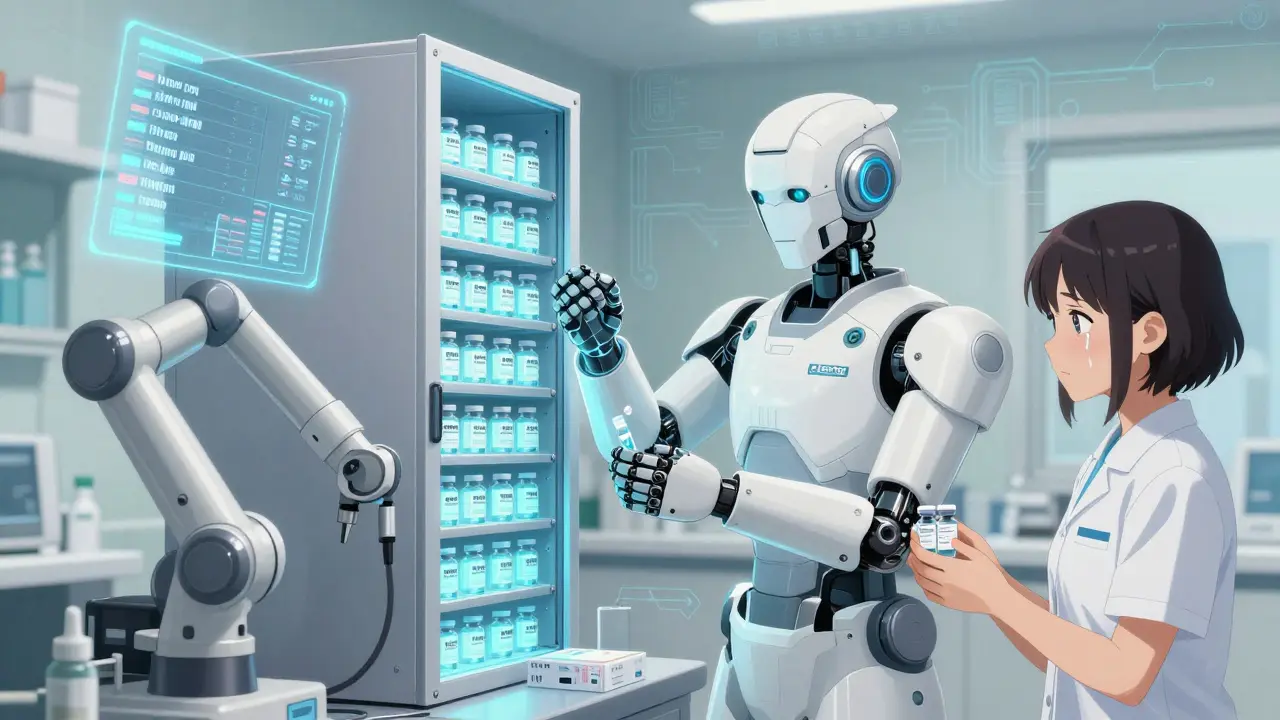
There are three ways clinics give out drugs:- In-house pharmacy: Some clinics have their own small pharmacy. You walk in, get seen by a provider, and leave with your meds the same day. These are rare but ideal.
- Prescription coordination: The clinic writes you a prescription and helps you fill it at a local pharmacy that partners with them. They often have agreements with pharmacies to charge $0 or $5 for certain drugs.
- Pharmaceutical donor programs: Americares, Direct Relief, and drug companies donate medicines directly to clinics. These are usually brand-name drugs you can’t get cheaply elsewhere-like insulin, heart meds, or antidepressants. The clinic verifies your income and gives you a 30- to 90-day supply.
According to the AMA Foundation’s 2022 handbook, 68% of free clinics offer some kind of prescription assistance. But not all clinics have the same drugs. If you need a specialty medication-like a biologic for rheumatoid arthritis-it might not be available. That’s why it’s crucial to know your exact drug names before you go.
What Conditions Are Covered?
Clinics prioritize medications for chronic, life-threatening conditions:- Diabetes (insulin, metformin)
- High blood pressure (lisinopril, amlodipine)
- Asthma (albuterol, fluticasone)
- High cholesterol (atorvastatin)
- Depression and anxiety (sertraline, fluoxetine)
- Thyroid disorders (levothyroxine)
Some clinics also help with antibiotics, pain relievers, and inhalers. But don’t expect free painkillers like oxycodone or muscle relaxants-they’re rarely covered. Mental health meds are increasingly available thanks to new partnerships. In 2023, Teva Pharmaceuticals and Direct Relief launched a $2 million program to supply free antidepressants and anti-anxiety drugs to clinics in seven states. That’s a big step forward.
Wait Times and Limitations
Be prepared: these clinics are overwhelmed. The average wait for a first appointment is 4 to 6 weeks. Some clinics only open two evenings a week. HOPES Free Clinic in Virginia, for example, sees patients only on Tuesday and Thursday nights.Medication shortages are common. A 2022 survey by the National Association of Free & Charitable Clinics found that 42% of clinics ran out of at least one essential drug in the past year. That’s why it’s smart to call ahead and ask what’s in stock. If your medication isn’t available, ask if they can help you apply for a patient assistance program directly through the drug company.
Also, most free clinics don’t offer emergency care. If you need a refill on a critical drug and your current supply is gone, don’t wait for your appointment. Go to an urgent care center or emergency room-they’re required by law to stabilize you, even if you can’t pay.
How to Get Help Starting a Clinic
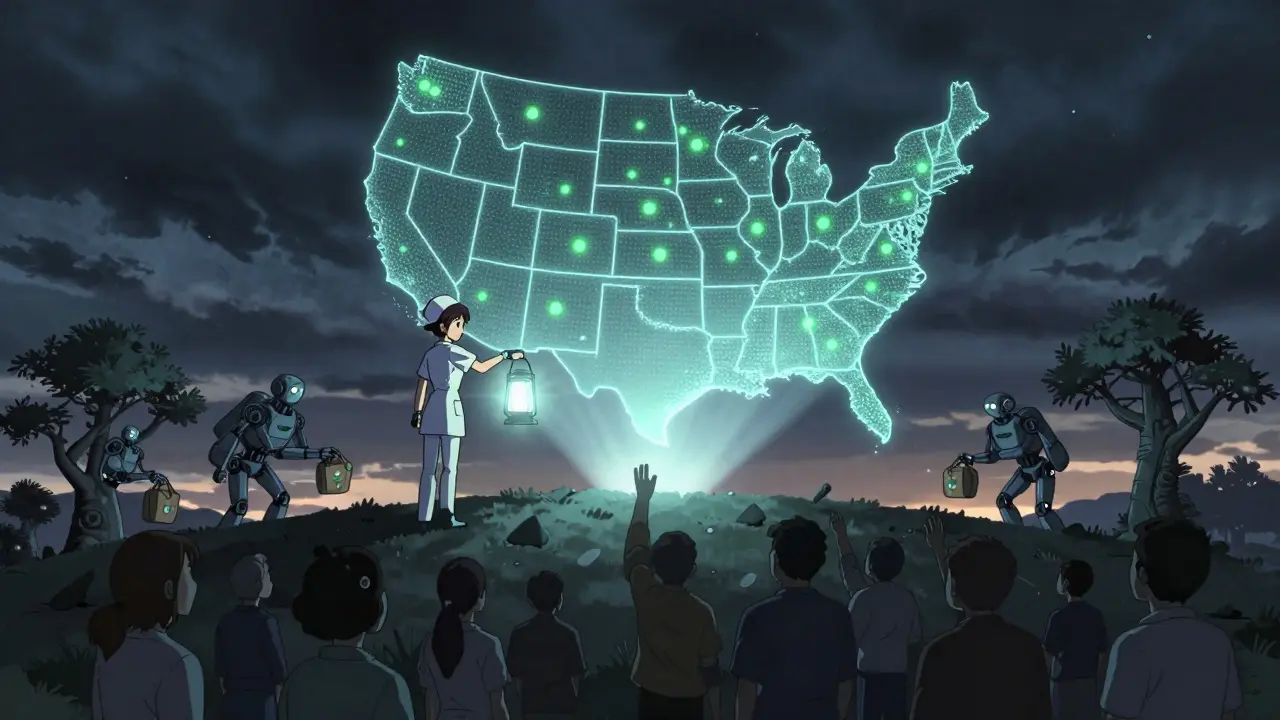
If you live in an area with no clinics nearby, there’s a chance you can help start one. The AAFP Foundation’s Family Medicine Cares USA program gives grants of up to $25,000 to new clinics. Applications open March 15 to July 15 each year. You’ll need a team of volunteers, a location, and a plan for how you’ll get medications. Many successful clinics partner with local medical schools-like the Charlottesville Free Clinic, started by UVA medical residents. If you’re a student, nurse, or retired doctor, your skills could make a difference.Why This System Still Falls Short
Free clinics save lives. But they’re not a fix. They rely on donations, volunteers, and luck. A clinic in rural Mississippi might have insulin one month and none the next. A patient in Ohio might get their antidepressants for six months, then be told the supply ran out.The real problem? There are over 30 million uninsured Americans-and only enough free clinic capacity to help a fraction of them. Most clinics are understaffed, underfunded, and overworked. That’s why the best strategy isn’t just to find a clinic-it’s to know your options and act fast when you need help.
What to Do Right Now
If you need free or low-cost meds:- Go to findahealthcenter.hrsa.gov and enter your zip code.
- Call the top three clinics on the list. Ask about meds, hours, and eligibility.
- Write down your current prescriptions and income details.
- Go to nafcclinics.org and search for nearby free clinics.
- If you’re on mental health meds, ask if they’re part of the Community Routes program.
- Don’t wait until you run out. Call now-even if you still have pills left.
You’re not alone. Millions of people are in the same boat. The system isn’t perfect, but help exists. You just have to know where to look-and how to ask.
Can I get free medications if I have insurance?
Yes, if your insurance doesn’t cover your meds or your copays are too high. Many clinics help underinsured patients-those who have insurance but can’t afford to fill prescriptions. Bring your insurance card and explain your situation. Clinics often help you apply for extra aid or connect you with drug company programs that cover gaps in coverage.
Do free clinics give out brand-name drugs?
Yes, but only through donation programs. Many clinics get brand-name drugs like insulin, heart medications, and antidepressants from companies like Americares, Direct Relief, and Teva. These are often the same drugs you’d get from a pharmacy, but free. Generic versions are more common, but if you need a specific brand, ask the clinic if they have access to a donor program for it.
How do I know if I qualify for free meds?
Most clinics require your income to be below 200% of the federal poverty level-for one person, that’s about $29,160 a year in 2023. You’ll need to show proof like pay stubs or tax returns. Some clinics also require you to be uninsured, while others serve underinsured patients too. If you’re unsure, call and ask. They’ll tell you what documents they need.
Can I get medications for mental health conditions?
More clinics do now than ever before. Thanks to partnerships like Community Routes-launched in 2023 by Direct Relief, NAFC, and Teva Pharmaceuticals-hundreds of clinics now offer free antidepressants and anti-anxiety meds. Ask specifically about mental health medication programs. Don’t assume they don’t have them. Many clinics started adding these services after seeing a spike in demand.
What if the clinic doesn’t have my medication?
Ask if they can help you apply for a patient assistance program directly through the drug company. Most major manufacturers like Pfizer, Novo Nordisk, and Eli Lilly have programs that give free drugs to low-income patients. The clinic staff can often help you fill out the forms. You can also search for these programs yourself at needymeds.org or rxassist.org.
Are there clinics that offer same-day medication pickup?
A few do, but they’re rare. Most clinics either have an in-house pharmacy (which is uncommon) or refer you to a partner pharmacy that fills prescriptions at low or no cost. Same-day service is more likely at FQHCs than at free clinics. If you need meds urgently, call ahead and ask if they can give you a starter supply while you wait for your full prescription.
Gregory Clayton
January 8, 2026 AT 17:22These clinics are just a Band-Aid on a gunshot wound. We’re letting Big Pharma get away with murder while taxpayers fund free meds for people who won’t get a real job. This isn’t healthcare-it’s welfare cronyism.
And don’t even get me started on the ‘mental health meds’ crowd. Half of ‘em just want free Xanax to chill out from their bad life choices.
Catherine Scutt
January 9, 2026 AT 10:34Wow. So you’re telling me I should just walk into some clinic and hand over my pay stubs and get insulin like it’s a free sample at Costco?
Have you ever tried getting a prescription filled at one of these places? Half the time they’re out of everything, and the other half, they make you wait 8 weeks just to talk to someone who doesn’t even know what lisinopril is.
Darren McGuff
January 9, 2026 AT 22:31As someone who’s volunteered at a free clinic in Manchester for five years, I can tell you this: the system works-when it’s properly funded. The real tragedy isn’t the lack of access, it’s the lack of political will.
These clinics survive on donated antibiotics and volunteers who show up after their 12-hour shifts. We’ve had patients cry because they had to choose between insulin and rent-and that’s not a healthcare failure, that’s a moral collapse.
And yes, brand-name drugs? We get them. Teva donates sertraline. Americares sends insulin. But we need more. Not pity. More funding. More nurses. More hours.
Ashley Kronenwetter
January 10, 2026 AT 23:35While the information presented is factually accurate and well-structured, I must emphasize the importance of verifying eligibility criteria with individual clinics, as state-specific regulations may override general guidelines outlined in this post. Additionally, the reliance on donor programs introduces significant variability in continuity of care, which may constitute a risk to patient safety if not properly documented and monitored.
It is recommended that patients maintain a written medication log and cross-reference with the FDA’s Patient Assistance Program database to ensure compliance with federal guidelines.
Heather Wilson
January 12, 2026 AT 11:53Let’s be real-this post is just a guilt trip disguised as a public service. You’re telling people to ‘call ahead’ and ‘bring proof of income’ like that’s some kind of heroic act. Meanwhile, the same people who need these meds are working two jobs, taking care of kids, and still getting charged $400 for a month’s supply of metformin.
And don’t even get me started on the ‘Community Routes’ program. That’s just a PR stunt by Teva to look like they care while still charging $1,200 for insulin in every other state.
Also, why are we still using ‘federal poverty level’ as a metric? It hasn’t changed since 2003 and doesn’t account for housing costs in 90% of the country. This whole system is a joke.
And yes, I’ve been to three clinics. Two didn’t have my meds. One asked for my social security number before even looking at my pay stubs. You think that’s privacy? It’s exploitation.
Matthew Maxwell
January 13, 2026 AT 21:41People need to stop expecting handouts. If you can’t afford your meds, maybe you shouldn’t have had kids. Or bought a car. Or moved to a city with a $2k rent.
There are generic versions of every single drug listed here. If you’re still asking for brand-name antidepressants, you’re not sick-you’re entitled.
And if you’re unemployed, get a job. Not a clinic appointment. A job.
Also, why are we letting undocumented immigrants use these services? That’s not in the post, but I’ve seen it. And it’s wrong.
Pooja Kumari
January 14, 2026 AT 16:32OMG I just read this and I’m crying 😭 I’ve been taking sertraline for 3 years and last month my insurance dropped it and I had to choose between buying it and feeding my 5-year-old. I went to the clinic downtown and they had it-BUT they only had 10 days’ supply. I had to wait 6 weeks for my next appointment. I cried in the parking lot. I’ve never felt so alone.
But then the nurse gave me a hug and said, ‘We’ll figure it out.’ And I thought-maybe I’m not broken. Maybe the system is.
Thank you for writing this. I’m sharing it with my whole family. We need to fight for this. 💪❤️
Jacob Paterson
January 16, 2026 AT 13:20Oh wow, another feel-good article about how we should all just ‘call ahead’ and ‘bring your pay stubs.’
Let me guess-you’ve never had to wait 4 months for a free clinic appointment while your blood pressure keeps climbing?
And you think ‘in-house pharmacy’ is a thing? I’ve been to 7 of these places. One had a fridge with 3 vials of insulin and a sign that said ‘First come, first served-no refunds.’
Also, ‘Community Routes’? That’s just a hashtag. The only thing routing is the line of people outside at 5 a.m.
And don’t even mention ‘drug company donations.’ They donate the expired stuff. I’ve seen it.
Stop romanticizing poverty. This isn’t a system. It’s a dumpster fire with a nonprofit logo.
Kiruthiga Udayakumar
January 17, 2026 AT 06:30This is so beautiful! I’m from India and we have nothing like this. Here, if you can’t pay, you die. No clinics. No donations. Just silence.
But I cried reading this. I wish my country had even 1% of this compassion.
Thank you for sharing this. I’m going to send it to my cousin in Texas. She’s been struggling with diabetes and didn’t know any of this.
God bless the volunteers. They are angels in scrubs. 🙏
tali murah
January 17, 2026 AT 08:34Let’s be honest: this entire post is a propaganda piece for the nonprofit-industrial complex.
These clinics don’t ‘help’ people-they enable a broken system. Why not just fix healthcare instead of patching it with goodwill and donated Zoloft?
And the ‘Community Routes’ program? That’s not a solution-it’s a PR campaign by Teva to avoid price controls.
Also, why is the author assuming everyone has a smartphone to access findahealthcenter.hrsa.gov? What about the elderly? The homeless? The ones without Wi-Fi?
This isn’t help. It’s performative charity with a flowchart.
Elisha Muwanga
January 19, 2026 AT 03:43As a veteran, I’ve seen this before. The VA gives meds. Why aren’t we fixing the VA instead of creating a parallel system of underfunded clinics that operate like soup kitchens?
And why are we letting people who make $29k a year get free meds while veterans who served for 20 years get stuck on waiting lists?
Also, why is this post so obsessed with mental health meds? Are we turning every financial hardship into a psychiatric diagnosis now?
This isn’t healthcare. It’s identity politics with prescriptions.
Maggie Noe
January 19, 2026 AT 18:38Thank you for writing this. 🌱
It’s easy to feel invisible when you’re choosing between your meds and your kid’s school lunch.
I got my insulin from a free clinic last month. The nurse stayed late to help me fill out the paperwork. She didn’t judge me. She just said, ‘You’re not a burden. You’re a person.’
I cried. I still cry when I think about it.
Maybe the system is broken-but the people in it? They’re miracles.
Keep sharing this. Someone out there needs it today.
💛
Alicia Hasö
January 21, 2026 AT 05:32To anyone reading this who feels alone: you are not alone. There are thousands of people in your exact situation, right now, Googling ‘free insulin near me’ at 2 a.m.
But here’s the truth: you are stronger than your circumstances.
Take the steps. Call the clinics. Bring the pay stubs. Ask for the mental health program. Even if they say no today, ask again tomorrow.
And if you’re reading this and you have a minute? Volunteer. Donate. Share this post.
Healing doesn’t start with a law. It starts with one person showing up for another.
You can be that person. 💪❤️
Maggie Noe
January 21, 2026 AT 14:20Also, to the person who said ‘just get a job’-have you ever worked 60 hours a week at a warehouse and still couldn’t afford your blood pressure meds? I have. And I’m not lazy. I’m just poor.
And that’s not my fault.
It’s a system that’s broken.
And you’re not helping by yelling at people who are already drowning.