 Dec, 18 2025
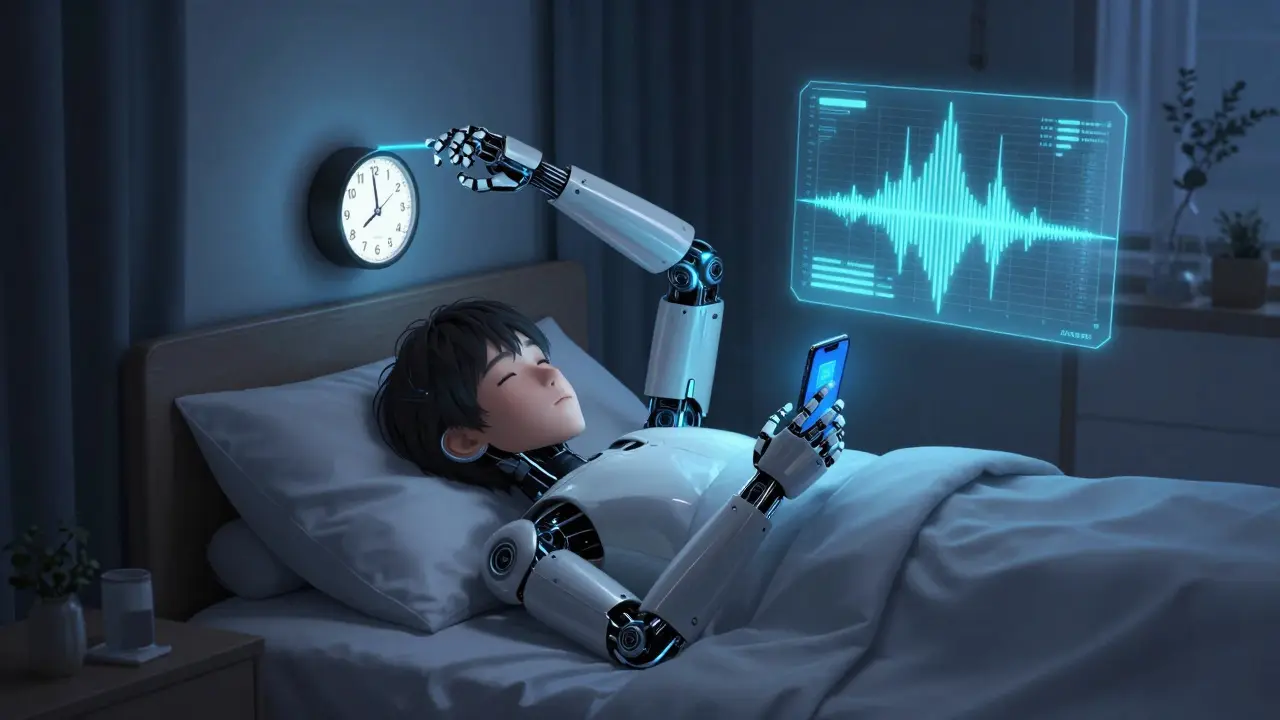
Why Your Sleep Isn’t Improving (Even Though You’re Trying)
You’ve turned off the lights. You’ve tried chamomile tea. You’ve even bought that expensive weighted blanket. But you’re still lying awake at 2 a.m., counting sheep that won’t stay still. If this sounds familiar, you’re not broken-you’re just missing the right sleep hygiene habits.
Sleep hygiene isn’t about fancy gadgets or miracle pills. It’s about the everyday behaviors that either help your body settle into sleep-or sabotage it. Research from the American Academy of Sleep Medicine shows that fixing just a few of these habits can cut insomnia severity by 30-40%. And unlike sleeping pills, these changes don’t come with dependency risks or morning grogginess.
The Three Things That Actually Matter for Sleep
Not all sleep advice is created equal. A 2023 study analyzed 35 common sleep hygiene tips-and found only a handful actually moved the needle on sleep quality. Here are the three that make the biggest difference:
- Waking up at the same time every day-even on weekends. This is the single most powerful habit. Your body doesn’t care if it’s Friday or Tuesday. It cares about rhythm. A consistent wake time trains your internal clock to release sleep chemicals at the right hour. People who stick to a fixed wake time reduce their time to fall asleep by up to 70% within three weeks.
- Stopping screens one hour before bed. The blue light from phones and laptops doesn’t just keep you awake-it tricks your brain into thinking it’s still daytime. Your melatonin, the sleep hormone, drops by up to 50% when you scroll in bed. Even if you use blue light filters, the mental stimulation from social media, emails, or news keeps your mind racing. Put the phone in another room. Read a book instead.
- Avoiding caffeine after 2 p.m.. Caffeine stays in your system for 8-10 hours. That afternoon coffee? It’s still in your bloodstream at midnight. A 2022 study found that people who cut caffeine after 2 p.m. fell asleep 30 minutes faster on average. If you need something warm, try decaf tea or warm milk.
Everything else-like avoiding exercise before bed or sleeping in complete darkness-is helpful, but these three are non-negotiable.
Your Bedroom Isn’t Just for Sleeping
Think of your bedroom like a temple for sleep. If you’re working, scrolling, or watching TV there, your brain starts associating the space with stress and stimulation-not rest.
Here’s what to do:
- Keep the room cool: between 15.6°C and 19.4°C (60-67°F). Your body needs to drop its core temperature to fall asleep. A room that’s too warm fights that process.
- Use blackout curtains or a sleep mask. Even small amounts of light-like from a streetlamp or charger LED-can disrupt deep sleep cycles.
- Reserve your bed for sleep and sex only. No laptops, no eating, no paying bills. Train your brain: bed = sleep.
One person on Reddit shared that after moving their laptop out of the bedroom, their sleep onset time dropped from 90 minutes to 25 minutes in just three weeks. It wasn’t the new mattress. It was the change in association.
The Weekend Trap (And How to Break It)
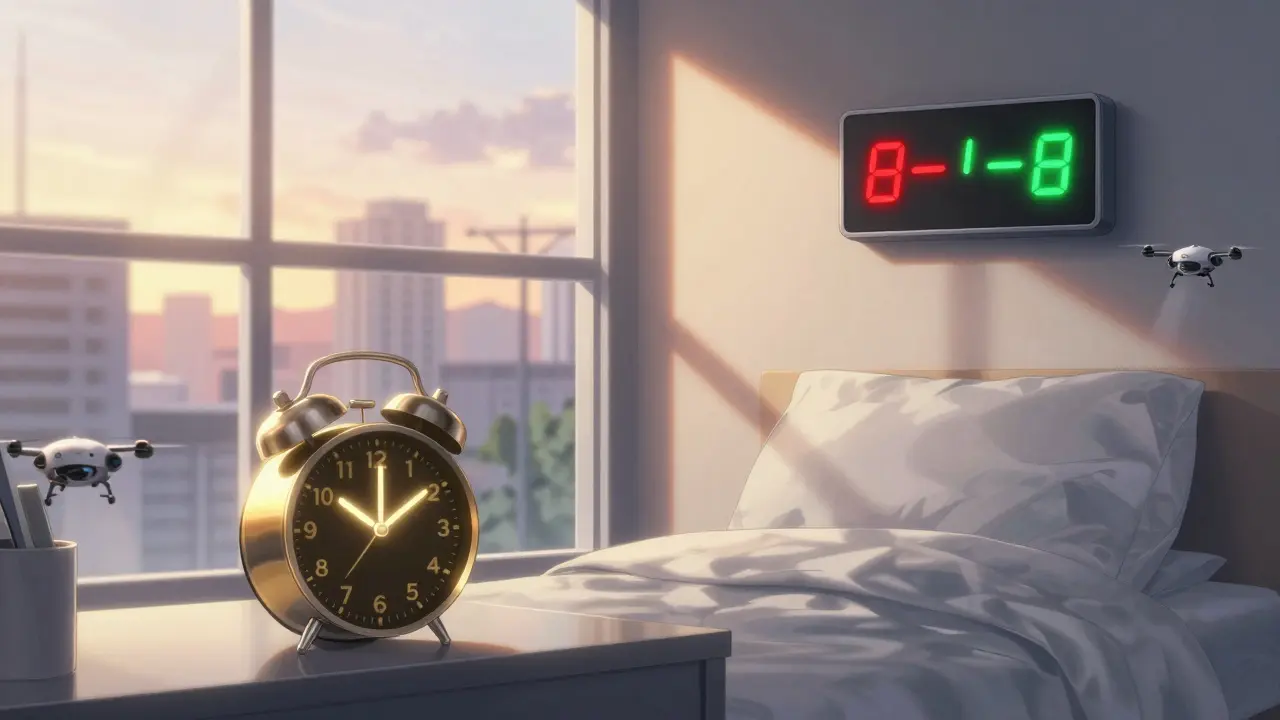
Most people nail sleep hygiene during the week-then wreck it on Friday and Saturday nights. Stay up until 2 a.m. Sleep in until noon. Then Monday hits, and you’re exhausted again.
This pattern is called “social jet lag.” It’s like flying across time zones every weekend. Your body never gets a chance to settle into a rhythm.
The fix? Keep your wake time within 30 minutes of your weekday schedule-even on weekends. You can go to bed later if you want, but don’t sleep past 8 a.m. if you normally wake at 6:30 a.m. This small consistency keeps your circadian rhythm stable. You’ll feel more alert during the day, and sleep comes easier at night.
What About Naps?
Napping isn’t evil. But timing and length matter.
- If you must nap, do it before 3 p.m.
- Keep it under 30 minutes.
- Don’t nap if you’re not tired.
Long or late naps interfere with nighttime sleep pressure-the natural build-up of sleepiness that makes you fall asleep easily at night. A 2023 study found that people who napped after 3 p.m. took 45% longer to fall asleep than those who didn’t nap at all.
Instead of napping, try a 10-minute walk outside. Natural light resets your internal clock better than any nap ever could.
Why Sleep Hygiene Takes Time (And Why You Should Stick With It)
Here’s the hard truth: sleep hygiene doesn’t work overnight. You won’t wake up feeling like a new person after one night of no caffeine and no phone.
It takes 14 to 21 days of consistent practice to see real change. Why? Because your brain has spent years learning to associate bedtime with stress, scrolling, or worry. Rewiring that takes time.
People who stick with it report:
- More energy during the day (83% in one study)
- Less reliance on sleep aids (67% reduced use)
- Fewer morning headaches and brain fog
One university student tracked her sleep for six months. She started with a Pittsburgh Sleep Quality Index score of 7.5-clinically poor. After 21 days of consistent wake times, no screens after 10 p.m., and no caffeine after 2 p.m., her score dropped to 3.9. That’s the difference between struggling to sleep and sleeping well.
When Sleep Hygiene Isn’t Enough
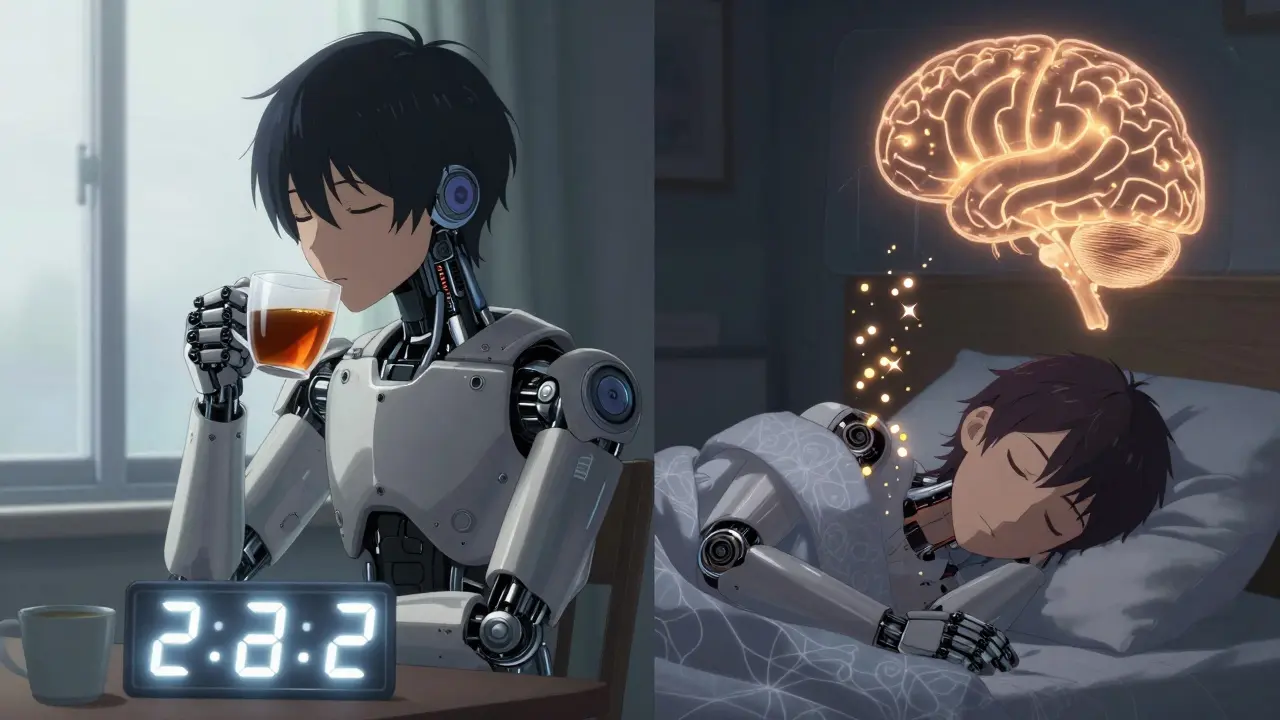
Sleep hygiene is powerful-but it’s not magic. If you’ve tried all the tips above for 6-8 weeks and still can’t sleep, you might have a sleep disorder like insomnia, sleep apnea, or restless legs syndrome.
Signs you need more than hygiene:
- You’ve been struggling for more than three months
- You wake up gasping or snoring loudly
- You feel tired even after 8 hours of sleep
- You’re using sleep meds regularly
In these cases, you need professional help. Cognitive Behavioral Therapy for Insomnia (CBT-I) is the gold standard-it combines sleep hygiene with techniques to quiet racing thoughts. Studies show it’s twice as effective as medication, without the side effects.
Don’t wait until you’re exhausted. If sleep hygiene isn’t working after a solid effort, talk to your doctor. There’s no shame in needing more support.
Start Small. Stay Consistent.
You don’t need to overhaul your life to sleep better. Pick one thing. Just one.
Maybe it’s:
- Turning off your phone at 10 p.m.
- Waking up at 7 a.m. every day, even Saturday
- Switching your afternoon coffee for herbal tea
Do that for two weeks. Then add another. Track it in a notebook or a free app like Sleep Cycle or ShutEye. You don’t need perfection-just consistency.
Sleep isn’t something you chase. It’s something you create. And the best part? You already have everything you need to start today.
Can I still use my phone if I turn on night mode?
Night mode helps a little by reducing blue light, but it doesn’t fix the bigger problem: mental stimulation. Scrolling through social media, reading emails, or watching videos keeps your brain active. Even with night mode on, your heart rate and stress hormones stay elevated. For true sleep prep, put the phone away at least one hour before bed. Read a book, listen to calm music, or just sit quietly.
Is it true that I shouldn’t exercise before bed?
That’s a myth. A 2023 study from the University of Tsukuba found that 68% of people who exercised within three hours of bedtime actually slept better. The key is intensity. Light to moderate exercise-like walking, yoga, or cycling-helps lower stress and body temperature, which aids sleep. Avoid intense workouts like HIIT or heavy lifting right before bed, but don’t avoid movement altogether.
How long does it take for sleep hygiene to work?
Most people notice improvements after 14 to 21 days of consistent practice. Your body needs time to adjust its internal clock and break old habits. Don’t give up after a week. Track your sleep with a simple journal: note your bedtime, wake time, and how rested you felt. Patterns will emerge after two weeks.
Why do I feel more anxious about sleep after trying sleep hygiene?
This is called the “paradoxical effect.” When you start obsessing over every detail-“Did I drink caffeine too late?” “Did I close the curtains enough?”-your brain starts treating sleep like a test you might fail. That anxiety blocks sleep. If this happens, simplify. Focus on just two habits. Let go of perfection. Sleep isn’t about control-it’s about letting go.
Should I use a sleep tracker?
They can help you spot patterns, but don’t let them make you anxious. If you’re checking your sleep score every morning and stressing over “poor deep sleep,” stop. Use the tracker to see your overall trend-like whether you’re going to bed later on weekends-not to judge each night. Apps like Sleep Cycle and ShutEye are reliable, but your own sense of restfulness matters more than any number.
What to Do Next
Start tonight. Pick one habit from this article. Just one. Do it for seven days. Write it down. Notice how you feel in the morning.
Then add another. Slowly. Steadily. No pressure.
Sleep isn’t about doing everything right. It’s about doing the right things, consistently. And you’re already on the path.
Dorine Anthony
December 18, 2025 AT 18:30I used to be the person who scrolled until 2 a.m. and wondered why I was exhausted. Then I just put my phone in the kitchen at 10 p.m. No apps, no notifications, no excuses. Three days in, I woke up without an alarm for the first time in years. No magic. Just boundaries.
Aadil Munshi
December 18, 2025 AT 21:08Let’s be real - caffeine after 2 p.m. is a myth perpetuated by people who drink espresso at 3 p.m. and then act like they’re saints. I’ve had black coffee at 5 p.m. and slept fine. Your body adapts. Stop pretending everyone’s a zombie if they sip latte after lunch. Also, why is it always ‘no screens’? I read novels on my tablet. That’s not stimulation - that’s relaxation. Hypocrisy much?
Nicole Rutherford
December 19, 2025 AT 09:50Oh please. You think putting your phone away is the secret? I’ve done all that. I have a sleep mask, a white noise machine, a $300 mattress, and I still wake up at 3 a.m. like a goddamn owl. You’re not fixing sleep hygiene - you’re just selling a lifestyle brand wrapped in pseudoscience. Wake up at the same time? I work swing shifts. What am I supposed to do, quit my job? This article is tone-deaf.
William Liu
December 20, 2025 AT 15:14For everyone saying ‘this doesn’t work for me’ - I get it. But give it 21 days. Not 3. Not 7. 21. I was the same person as Nicole - tossing and turning, blaming everything except my habits. I cut caffeine after 2 p.m. and stopped checking email in bed. Took 18 days, but I finally slept through the night. It’s not perfect, but it’s better. And that’s enough.
Isabel Rábago
December 22, 2025 AT 07:59People who say ‘I can have coffee at 4 p.m. and sleep fine’ are lying to themselves. Or they’re genetically blessed. Most of us aren’t. Caffeine isn’t just a stimulant - it’s a neurochemical hijack. You think you’re fine? You’re just numb. Your sleep architecture is shredded, and you’ve trained your brain to ignore it. Wake up. The science isn’t debatable.
Ashley Bliss
December 23, 2025 AT 23:13I tried everything. The weighted blanket, the lavender oil, the 10 p.m. screen curfew. Then I realized - I was sleeping in the same room where I cried over my breakup, where I argued with my parents, where I stared at my tax forms at 2 a.m. My bedroom wasn’t a sanctuary. It was a trauma archive. I moved my desk out. Bought a new lamp. Now when I get into bed, my body knows: this is where I rest. Not where I suffer. It’s not about habits. It’s about healing.
Danielle Stewart
December 25, 2025 AT 12:54For those of you who think this is too rigid - start with one thing. One. Not three. Not five. One. Maybe it’s not turning on your phone for the first 30 minutes after waking. Maybe it’s not eating dinner in bed. Tiny shifts compound. I started with just ‘no phone after 11 p.m.’ and now I fall asleep faster than my 7-year-old. You don’t need to be perfect. You just need to begin.
benchidelle rivera
December 26, 2025 AT 00:45As a clinical sleep specialist, I’ve seen hundreds of patients. Sleep hygiene is the foundation - not the whole treatment. But it’s the only thing patients can control. The rest - CBT-I, melatonin, CPAP - require professional intervention. This post isn’t oversimplified. It’s appropriately prioritized. The three pillars are evidence-based. The rest is noise. Stop cherry-picking exceptions. Start building consistency.
Sajith Shams
December 27, 2025 AT 18:01‘No screens one hour before bed’? That’s cute. I work in tech. My job ends at midnight. I’m supposed to just… stop? And what’s with the ‘read a book’ advice? You think I don’t own books? I read for 2 hours before bed - and I still can’t sleep because my brain is wired for constant input. You’re not solving the problem. You’re just blaming the victim.
Glen Arreglo
December 28, 2025 AT 04:49Let’s not pretend this is universal. I’m Indian-American. My family eats dinner at 9 p.m. and watches TV until 11. We sleep at 1 a.m. and wake at 7. We’re not broken. We’re culturally adapted. Sleep science is Western-centric. Your ‘ideal schedule’ doesn’t fit everyone. Respect different rhythms. Don’t pathologize culture.
Dev Sawner
December 28, 2025 AT 08:59While the principles outlined are empirically valid, the article exhibits a troubling reductionist tendency. Sleep is a multifactorial physiological phenomenon governed by circadian biology, neurotransmitter dynamics, and psychosocial stressors. Reducing it to three behavioral heuristics ignores the epigenetic and neuroendocrine complexity inherent in human sleep regulation. One must consider polyphasic sleep patterns, REM rebound, and homeostatic pressure - concepts absent here. This is not advice; it is oversimplified dogma.
shivam seo
December 30, 2025 AT 06:08Look, I’ve lived in 12 countries. In Japan, people nap on trains and sleep 5 hours. In Spain, they sleep at 2 a.m. and wake at 10. In Australia, they work 12-hour days and still run marathons. This ‘sleep hygiene’ nonsense is a rich, white, first-world problem. You’re not sleeping because you’re bored, not because your phone’s blue light is haunting you. Go outside. Get a job. Stop overthinking.
Moses Odumbe
December 31, 2025 AT 12:24Bro. I tried all this. No screens. No caffeine. Fixed wake time. Slept like a baby for 3 days. Then I got stressed about work. And BAM - back to 3 a.m. scrolling. Turns out, sleep hygiene doesn’t fix anxiety. It just gives you more things to feel guilty about. I stopped trying to ‘optimize’ sleep and started trying to relax. That’s when it finally came. Maybe the real fix is… letting go? 🤷♂️
Frank Drewery
January 1, 2026 AT 06:13Thank you for writing this. I’ve been struggling for years. I thought I was broken. But reading this - especially the part about the bedroom being a temple - made me cry. I moved my laptop out last night. I didn’t even realize how much stress I associated with that space. I read a poem before bed. I slept 7 hours. Not perfect. But real. And for the first time in a long time, I didn’t feel like I failed.