 Dec, 27 2025
More than 6 million Americans filled a prescription for a sleeping pill in 2022. Many of them chose either a benzodiazepine like temazepam or a non-benzodiazepine like zolpidem (Ambien). Both are meant to help you fall asleep. But here’s the truth: sleeping pills don’t fix insomnia-they mask it. And the longer you use them, the more they start to hurt you.
How These Drugs Actually Work
Your brain uses a chemical called GABA to calm itself down. Benzodiazepines and non-benzodiazepines both boost GABA’s effect, but they do it differently. Benzodiazepines latch onto several parts of the GABA receptor. That’s why they don’t just help you sleep-they also reduce anxiety, relax muscles, and can cause dizziness or confusion. Drugs like diazepam, lorazepam, and temazepam fall into this group. Non-benzodiazepines, often called Z-drugs, were designed to be more selective. Zolpidem, eszopiclone (Lunesta), and zaleplon (Sonata) mainly target one specific part of the receptor-the omega-1 site. That’s why they were marketed as "sleep-specific" with fewer side effects. But here’s the catch: they still affect your brain in ways you can’t control.Short-Term Use? Maybe. Long-Term? No.
Doctors used to prescribe these drugs for weeks or even months. Now, the American Academy of Sleep Medicine says: stick to 2 to 4 weeks max. Why? Because tolerance builds fast. Within a few weeks, the same dose stops working. You start needing more. And when you try to stop? Withdrawal hits hard. Benzodiazepines are especially risky here. Stopping suddenly can trigger seizures, panic attacks, hallucinations, and rebound insomnia worse than what you started with. One Reddit user who took temazepam for 8 months described panic attacks lasting three weeks after quitting. That’s not uncommon. Non-benzodiazepines seem gentler on withdrawal-but they’re not safe. Zolpidem users report waking up with no memory of the last two hours. Some have driven while asleep. The FDA logged 66% of all sleep-driving incidents between 2005 and 2010 to zolpidem. Even at half the original dose (5mg for women), these risks remain.Daytime Drowsiness Is Real-and Dangerous
You take the pill at night. You wake up feeling fine. But your brain isn’t done processing it. Both classes linger in your system. Long-acting benzodiazepines like flurazepam stick around for days. Even short-acting ones like zolpidem can leave traces in your blood the next morning. A 2021 meta-analysis found that 34% of users reported daytime drowsiness severe enough to affect work, driving, or daily tasks. The VA found people on these drugs have a 4-fold higher risk of daytime fatigue. That’s not just annoying-it’s deadly. Fatigue slows reaction time like alcohol. And if you’re over 65? The risk of falling and breaking a hip doubles. A 2012 JAMA study showed benzodiazepines increased hip fracture risk by 2.3 times in older adults. Non-benzodiazepines? Still 1.8 times higher. That’s not a small difference. It’s a life-altering one.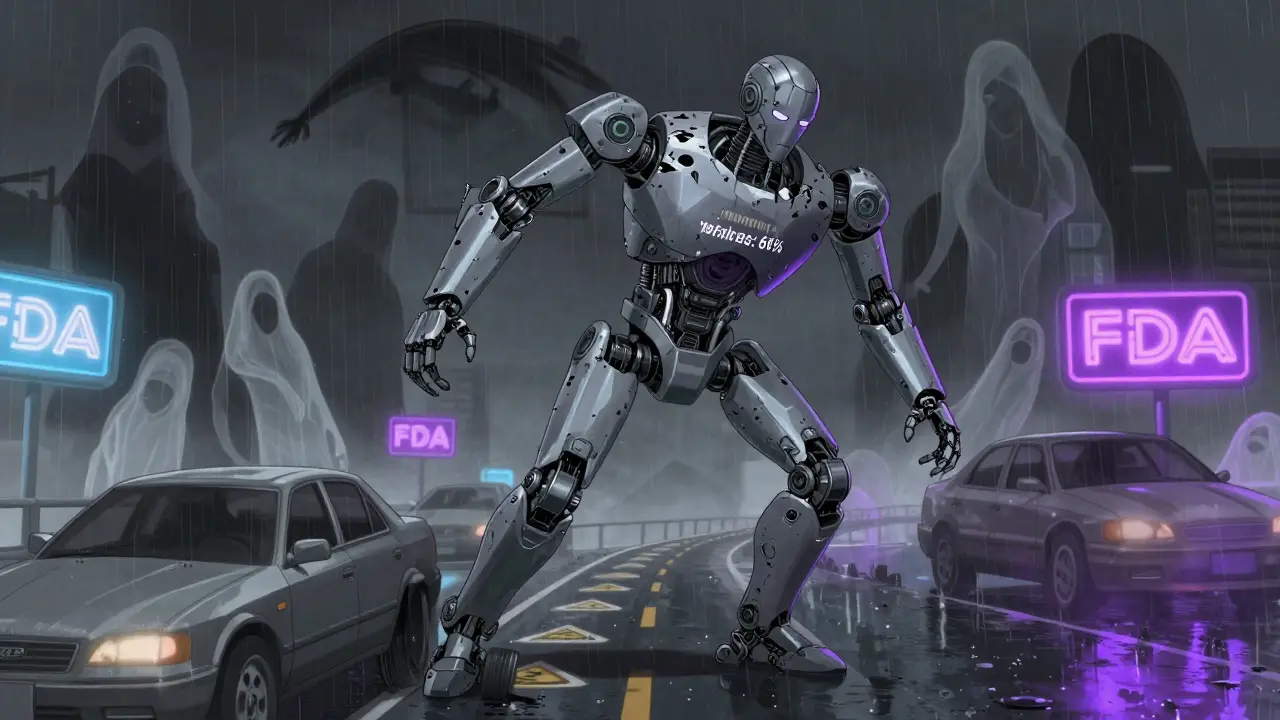
Memory Problems, Falls, and Hidden Risks
Memory isn’t just about forgetting where you put your keys. These drugs interfere with forming new memories while you’re asleep. That’s why users report "blackouts"-waking up not remembering parts of the night. The VA reports a 5-fold increase in memory and concentration issues among users. That’s not temporary fog. It’s brain function being dampened. And it’s not just memory. People on these drugs see more doctor visits, more hospital stays, and report worse overall quality of life. A long-term study showed users had more somatic complaints-headaches, nausea, dry mouth, dizziness-and even hallucinations. One Lunesta user said 17% of users get a weird metallic taste. Another Ambien user described burning in their hands and arms. These aren’t rare side effects. They’re common. Worse, these drugs make sleep apnea worse. If you have undiagnosed sleep apnea (which affects 20-30% of chronic insomniacs), a sleeping pill can silence your brain’s signal to breathe. That leads to low oxygen, high blood pressure, and heart strain. The American Geriatrics Society calls both classes "potentially inappropriate" for seniors because of this.Drug Interactions Can Kill
You wouldn’t mix alcohol and sleeping pills. But people do. Even one drink can turn a normal dose into a respiratory depressant. The FDA warns this combo can cause slow or stopped breathing-and death. They also interact dangerously with opioids, antidepressants, and antihistamines. Many people take these without realizing the risk. A 2022 NIH study found that only 62 out of 100 points of clarity were in FDA medication guides for these drugs. That’s worse than many over-the-counter meds. If you’re on any other medication, talk to your doctor before touching a sleeping pill.What About the "Safer" Z-Drugs?
Non-benzodiazepines were sold as the modern, safer alternative. But a 2019 JAMA study found no real difference in long-term safety between the two classes. Both cause dependence. Both impair coordination. Both increase fall risk. Both worsen sleep quality over time. And while Z-drugs don’t cause the same intense withdrawal as benzodiazepines, they still lose effectiveness fast. On Reddit’s insomnia forums, 68% of users stopped taking zolpidem within three months because it stopped working. "It helped for two weeks, then nothing," one user wrote. "I felt worse than before."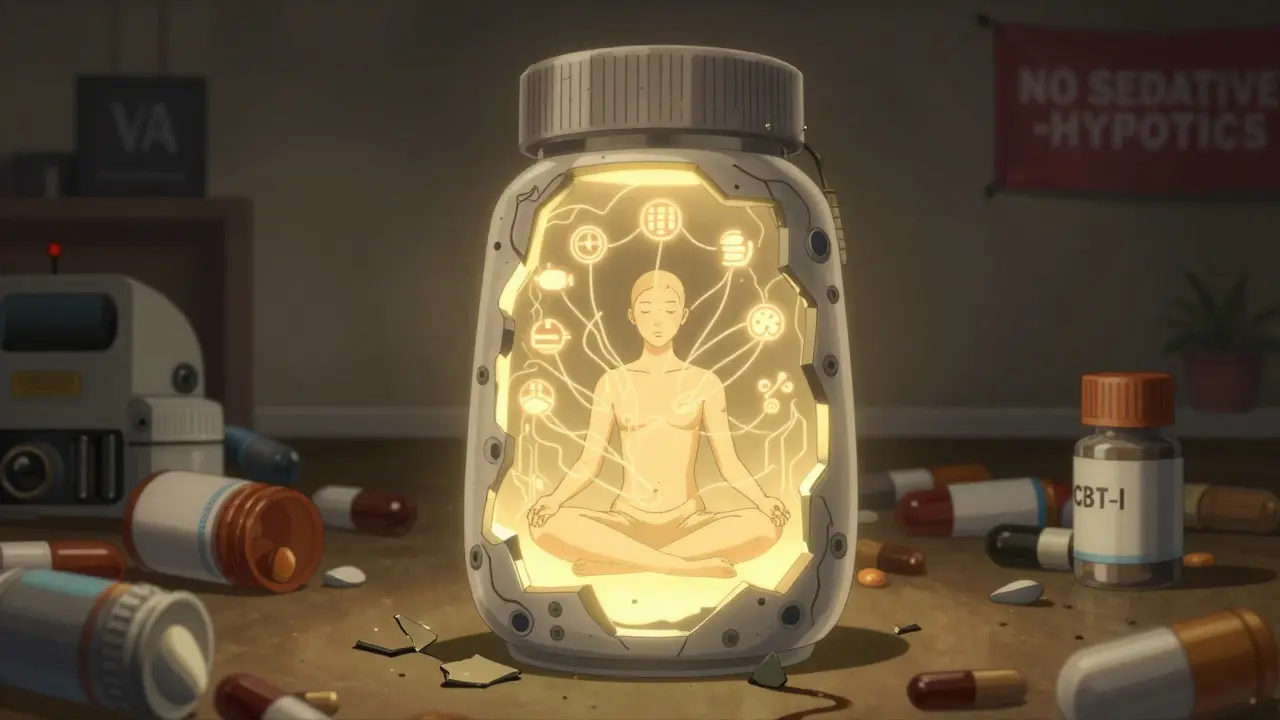
Anna Weitz
December 29, 2025 AT 00:45These pills are just chemical bandaids for a broken system
Our culture glorifies productivity so much that we’ve turned sleep into a problem to be fixed not a natural rhythm to be respected
We don’t ask why we’re exhausted we just pop a pill and call it a day
It’s not medicine it’s avoidance dressed up in white lab coats
Caitlin Foster
December 29, 2025 AT 15:03OMG YES!!! I took Ambien for 6 months and woke up driving to the grocery store at 3 AM with no memory of leaving my bed!!! 😱 I thought I was haunted!!! Turns out I was just a walking zombie with a prescription!!!
Todd Scott
December 31, 2025 AT 00:20The pharmacology here is accurate but the cultural context is missing. The rise in sedative-hypnotic prescriptions correlates directly with the collapse of sleep hygiene in modern life-blue light exposure, circadian disruption from shift work, chronic stress from economic precarity, and the normalization of sleep deprivation as a badge of honor. The drugs aren’t the problem; they’re the symptom. The real issue is a society that treats rest as a luxury rather than a biological imperative. CBT-I works because it addresses root causes-not just the surface symptom of insomnia. But access to CBT-I is limited by insurance barriers, provider shortages, and the stigma around mental health care. Until we fix those structural issues, people will keep reaching for the quick fix. The science is clear. The policy isn’t.
Andrew Gurung
January 1, 2026 AT 21:52Ohhh so now we’re supposed to believe that the pharmaceutical industry is just trying to help us?? 😂😂😂
They spent billions marketing these drugs as "safe" and "non-addictive"-and now they’re acting like they didn’t know? Please. The FDA is a revolving door for Big Pharma execs. If you’re still taking these, you’re not just sleep-deprived-you’re financially and intellectually compromised. 🤡
Janice Holmes
January 2, 2026 AT 07:16Let’s be real-z-drugs are just benzodiazepines in designer clothes. Same mechanism. Same brain fog. Same memory holes. Same existential dread when you realize you’ve been sleepwalking through your life. The FDA’s 66% sleep-driving stat? That’s not a statistic-it’s a horror movie waiting to happen. And don’t get me started on the metallic taste. That’s not a side effect. That’s your soul being slowly digested by pharmaceutical grade betrayal.
Alex Lopez
January 2, 2026 AT 15:43While the data presented is compelling, it’s worth noting that individual risk profiles vary significantly. For some patients with severe, treatment-resistant insomnia, these agents may provide necessary short-term relief while behavioral interventions are being implemented. The key is not blanket condemnation, but rigorous risk-benefit analysis, patient education, and structured tapering protocols. That said, the evidence for CBT-I remains unequivocal-and it should be the first-line intervention, not the last resort. 📊
Elizabeth Ganak
January 3, 2026 AT 02:15i took zolpidem for 3 months after my dad died… it helped me sleep but i felt like a ghost. i stopped cold turkey and cried for a week. now i just listen to audiobooks in the dark. it’s not perfect but at least i remember my dreams. 💙
Nicola George
January 4, 2026 AT 14:14Y’all act like this is news. I’ve been telling my cousins in South Africa that these pills are poison since 2018. They don’t teach you this in med school because the pharma reps bring the free lunches. Wake up. Your brain isn’t a broken toaster. Stop trying to fix it with duct tape and vodka.
Raushan Richardson
January 4, 2026 AT 17:00I switched to CBT-I last year and honestly? It’s been life-changing. No pills. No grogginess. No scary blackouts. I still have bad nights-but now I know how to handle them. It’s not magic, it’s just… working with your brain instead of against it. If you’re on these meds, please don’t quit cold turkey-but do talk to your doctor about CBT-I. It’s out there. And it’s better than what you’re doing now.
Robyn Hays
January 6, 2026 AT 04:28There’s something haunting about the way these drugs make you feel like a ghost in your own body-like your thoughts are muffled under a thick blanket of chemical fog. I used to think insomnia was just a sleep problem. Turns out it’s a cry for help from a nervous system that’s been screaming into the void for years. The pills don’t answer. They just echo. CBT-I is the first thing that actually listened.
Liz Tanner
January 7, 2026 AT 14:18Thank you for writing this with such clarity. I’m a nurse and I’ve seen too many elderly patients fall after taking temazepam. One woman broke her hip and never walked again. She told me, "I just wanted to sleep." That’s the tragedy-not the drug, but the assumption that sleep is a simple fix. CBT-I should be standard. Not optional. Not a last resort. Just… basic care.
John Barron
January 7, 2026 AT 23:15Let me be the first to say this: if you're taking these drugs, you're not just risking your health-you're participating in a systemic failure of American healthcare. The VA policy shift? It's not progressive-it's overdue. And let's not pretend that suvorexant is a "step forward." It's still a CNS depressant with a $700 monthly price tag. The real innovation isn't a new molecule-it's a cultural shift away from pharmaceutical quick fixes and toward holistic, patient-centered care. Also, if you're using emojis to discuss brain chemistry, you're missing the point. 🧠❌
Elizabeth Alvarez
January 9, 2026 AT 03:33Did you know the FDA knew about the sleep-driving risks since 2007 but didn’t update the label until 2019? That’s because they’re in bed with the drug companies. And the real reason they’re pushing CBT-I now? Because the lawsuits are coming. Big Pharma is getting ready to dump these drugs like cigarettes in the 90s. They’re just waiting for the public to blame the doctors instead of the corporations. Wake up. This isn’t medicine. It’s a slow-motion cover-up.