 Dec, 30 2025
When someone has epilepsy, it doesn’t mean they have one kind of seizure. It means their brain has a tendency to misfire in specific ways - and those misfires look different for everyone. Some people stare blankly for a few seconds. Others collapse, shake violently, or suddenly lose muscle control. The confusion around what’s happening - even among doctors - has led to years of misdiagnosis and wrong treatments. But in 2025, the latest classification system from the International League Against Epilepsy (ILAE) finally brought clarity. This isn’t just academic jargon. Getting the right label for your seizure type changes everything: what meds you take, whether surgery is an option, and even how your insurance pays for care.
How Seizures Are Classified Today
The old terms - like ‘partial’ or ‘complex partial’ - are gone. They’ve been replaced with simpler, more accurate language. Today, every seizure is grouped into one of four main types: focal, generalized, unknown onset, or unclassified. The first step in diagnosis is figuring out where the seizure starts in the brain.
Focal seizures begin in one area of the brain. These make up about 60% of all epilepsy cases. They’re split into two big groups: aware and impaired awareness. If you’re aware during the seizure, you might feel a strange smell, your hand might twitch, or you suddenly feel intense fear - but you’re still fully conscious. If awareness is impaired, you might stare off, smack your lips, or wander around without remembering it later. This used to be called ‘complex partial,’ but now it’s just ‘focal with impaired awareness.’
Generalized seizures involve both sides of the brain from the start. There are six types:
- Absence seizures: Brief lapses in awareness - often just 5 to 10 seconds. Kids might blink rapidly or stop talking mid-sentence. These are common in childhood absence epilepsy, affecting 10-17% of children with epilepsy.
- Myoclonic seizures: Sudden jerks, usually in the arms or shoulders. Think of it like an electric shock hitting the muscles.
- Tonic seizures: Muscles stiffen up. People often fall backward if standing.
- Clonic seizures: Repeated jerking movements, usually in the face, neck, and arms.
- Tonic-clonic seizures: The most recognizable. Starts with stiffness (tonic), then rhythmic shaking (clonic). Often includes loss of consciousness, biting the tongue, or incontinence.
- Atonic seizures: Muscles go suddenly limp. People drop like a ragdoll - this is why helmets are often recommended for those at risk.
Seizures that can’t be clearly labeled as focal or generalized are called unknown onset. This happens when there’s no witness, no video, or no EEG. Unclassified seizures are rare - they’re the ones where even after testing, doctors still can’t figure out the origin.
What Causes Seizures to Happen?
Triggers aren’t the same for everyone. But some patterns show up again and again. Missing sleep is the #1 trigger across all types. A single night without rest can lower your seizure threshold enough to set off a seizure, even if you’ve been stable for months.
Alcohol withdrawal is another big one. People who drink heavily and then stop suddenly - even just for a weekend - can have seizures within 6 to 48 hours. That’s why doctors warn against binge drinking if you have epilepsy.
Flashing lights? Only about 3% of people with epilepsy are sensitive to them. But it’s still worth mentioning. Some video games, strobe lights at clubs, or even sunlight flickering through trees can trigger seizures in those rare cases.
Stress, hormonal changes (especially around menstruation), and certain medications - like some antibiotics or antidepressants - can also play a role. One 2023 study found that 68% of women with epilepsy reported more seizures during their period, a condition called catamenial epilepsy.
And then there’s the tricky stuff: psychogenic non-epileptic seizures (PNES). These look just like epileptic seizures - shaking, staring, loss of awareness - but they’re not caused by abnormal brain electricity. They’re linked to trauma, anxiety, or PTSD. About 20-30% of people sent to epilepsy monitoring units turn out to have PNES. The treatment? Not antiepileptic drugs. It’s therapy.
How Antiepileptic Medications Work
There are over 30 FDA-approved antiepileptic drugs (AEDs), and choosing the right one depends on your seizure type - not just your diagnosis. That’s why misclassification leads to wrong prescriptions. A 2023 study showed 27% of patients were on the wrong drug because their seizure type was mislabeled.
For focal seizures, common first-line drugs include lamotrigine, levetiracetam, and lacosamide. These work by calming overactive nerve cells in one part of the brain. They’re usually well-tolerated, but side effects like dizziness, fatigue, or skin rashes can happen.
For generalized seizures, valproate is often the go-to - especially for absence, myoclonic, and tonic-clonic seizures. But it’s not safe for women who could get pregnant because of birth defect risks. For those cases, lamotrigine or ethosuximide are preferred. Ethosuximide is especially effective for absence seizures in kids.
For tonic-clonic seizures, carbamazepine and oxcarbazepine are common. But they can interact with other meds - like birth control - and cause low sodium levels. Topiramate and zonisamide are alternatives, but they can cause kidney stones or cognitive slowing.
For myoclonic seizures, valproate and levetiracetam are top choices. Clonazepam works fast but can cause drowsiness and tolerance over time.
And for atonic seizures, there’s no perfect drug. Many patients need a combination - like lamotrigine plus valproate - or even a vagus nerve stimulator. Some newer drugs like cenobamate show promise for hard-to-treat cases.
Why the New Classification Matters
The 2025 ILAE update didn’t just rename things. It fixed real problems. Before, a seizure that started as a weird feeling in the stomach and then turned into shaking might’ve been called ‘complex partial with secondary generalization.’ Now, it’s simply a focal seizure with evolving motor features. That’s clearer for patients, families, and doctors.
One big win? The shift from ‘motor vs. non-motor’ to ‘observable vs. non-observable.’ That means seizures like staring spells, sudden emotions, or strange tastes - which used to be ignored or mislabeled - now have official names. This helps patients who felt like their symptoms weren’t ‘real’ because they didn’t shake.
And it’s working. A 2023 study of 456 doctors found diagnostic accuracy jumped from 68% to 83% after switching to the new system. More people got the right drug faster. Fewer ended up with side effects from the wrong medication.
But it’s not perfect. Many doctors still use old terms. Patients report confusion when one provider says ‘focal aware’ and another says ‘simple partial.’ The Epilepsy Foundation’s 2024 survey found 76% of patients heard inconsistent terms from different specialists. That’s why patient education materials now include visual charts and plain-language explanations.
What Happens If the Wrong Drug Is Used?
Getting the wrong medication isn’t just a waste of time - it’s dangerous. If you have focal seizures but are given a drug meant for absence seizures (like ethosuximide), it won’t help. You’ll keep having seizures, maybe even get worse.
Some drugs can actually make seizures worse. For example, giving carbamazepine to someone with myoclonic or absence seizures can trigger more frequent jerks or staring spells. That’s why EEGs and detailed seizure descriptions are non-negotiable.
And if you have combined generalized and focal epilepsy - a category introduced in 2017 - you might need two types of meds. But many doctors still treat it as one or the other. That’s why 41% of patients in this group experienced delays in starting effective treatment, according to the Epilepsy Foundation.
Medication adherence is also tied to understanding. A 2023 study found patients who understood their seizure type were 34% more likely to take their pills regularly. When you know why you’re taking a drug - not just that your doctor said so - you stick with it.
What’s Next for Epilepsy Treatment?
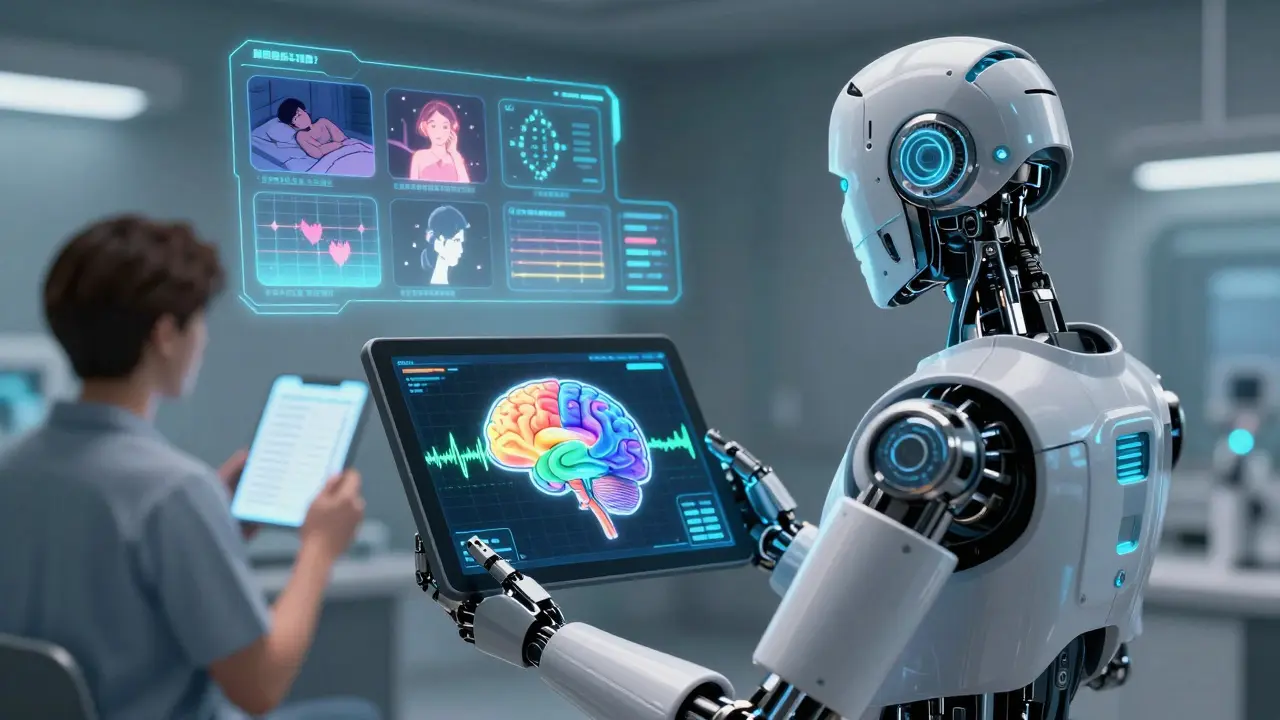
The future is moving fast. By late 2025, the ILAE will release a beta version of an AI tool that helps non-specialists classify seizures using video recordings. Early tests show it improves accuracy by 18% for primary care doctors who don’t have EEG access.
Genetic testing is also becoming part of diagnosis. Some epilepsy syndromes - like Dravet syndrome or Lennox-Gastaut - are now linked to specific gene mutations. Knowing the gene can point to targeted treatments, like stiripentol for Dravet.
And in the next five years, we’ll likely see blood tests or brainwave biomarkers used alongside EEGs to confirm seizure types. That could cut down the 2.3-year average time it takes for people to get diagnosed.
For now, the best thing you can do is keep a seizure diary. Note the time, what you were doing, how long it lasted, and what happened before and after. If you have a witness, ask them to write down what they saw. Bring that to your neurologist. It’s more valuable than any test.
What’s the difference between a seizure and epilepsy?
A seizure is a single event - a burst of abnormal electrical activity in the brain. Epilepsy is a diagnosis given when someone has a tendency to have repeated seizures. You need at least two unprovoked seizures more than 24 hours apart, or one seizure with a high risk of more, to be diagnosed with epilepsy.
Can you outgrow epilepsy?
Yes, especially in children. About 70% of kids with epilepsy eventually stop having seizures, either with treatment or naturally as their brain matures. Childhood absence epilepsy often resolves by adolescence. But for adults who develop epilepsy later, especially after a brain injury or stroke, it’s more likely to be lifelong.
Do antiepileptic drugs cure epilepsy?
No. They control seizures but don’t fix the underlying cause. About 70% of people achieve seizure control with the first or second medication. The rest may need multiple drugs, surgery, nerve stimulation, or dietary therapy like the ketogenic diet. Some people eventually stop meds if they remain seizure-free for 2-5 years.
Is it safe to drive with epilepsy?
It depends on your country’s laws and your seizure control. In the UK, you must be seizure-free for 12 months (or 6 months if only nocturnal seizures) to drive. In the US, rules vary by state, but most require 3-12 months of seizure freedom. Always check with your doctor and local DMV - driving with uncontrolled seizures puts you and others at serious risk.
What should I do if someone has a tonic-clonic seizure?
Stay calm. Time the seizure. Turn them gently onto their side to keep their airway clear. Don’t put anything in their mouth - that can cause injury. Clear the area of hard objects. After the shaking stops, stay with them until they’re fully awake. Call emergency services if the seizure lasts longer than 5 minutes, if they have another one right after, or if they’re injured, pregnant, or diabetic.
What to Do Next
If you or someone you know has had a seizure, get an EEG within 72 hours if possible. Even if it’s normal, it’s still useful - many people with epilepsy have normal EEGs between seizures. A brain MRI is also recommended to rule out tumors, scars, or malformations.
Keep a seizure log. Write down triggers, symptoms, duration, and recovery time. Use a phone app or a notebook - but be consistent. Bring it to every appointment.
Ask your doctor: ‘What type of seizure is this? What’s the epilepsy type? Is this an epilepsy syndrome?’ If they can’t answer, ask for a referral to an epilepsy specialist. Not all neurologists are trained in epilepsy. Look for one certified by the American Board of Psychiatry and Neurology in epilepsy or a similar body in your country.
And don’t wait. Misdiagnosis delays treatment. Every month without the right meds increases the risk of injury, depression, and sudden unexpected death in epilepsy (SUDEP). You don’t need to understand every term in the ILAE classification. But you do need to know your seizure type - and make sure your doctor does too.
Paul Huppert
December 30, 2025 AT 15:01I had no idea focal seizures could be so varied. I thought if you weren't convulsing, it wasn't a real seizure. My cousin stares blankly for 10 seconds and then shakes her head like she's shaking off water. We always thought she was zoning out. Now I get it.
Thanks for breaking this down so clearly.
Brady K.
December 30, 2025 AT 20:30Oh wow. So the ILAE just renamed a bunch of stuff and now we’re supposed to act like this was some revolutionary breakthrough? 🤡
‘Focal with impaired awareness’? That’s just ‘complex partial’ with a fancy haircut. Same thing. Same meds. Same patients getting screwed because the docs still can’t tell the difference.
Stop rebranding problems and fix the damn system. 27% on wrong meds? That’s not classification - that’s negligence.
Kayla Kliphardt
December 31, 2025 AT 10:49This was really helpful. I’ve been avoiding neurologist appointments because I don’t want to sound like I’m making things up. But now I know my staring spells and sudden nausea aren’t ‘just anxiety.’
I’m printing this to take with me next week.
anggit marga
January 1, 2026 AT 22:18Marilyn Ferrera
January 2, 2026 AT 20:59Yes. Yes. YES. The shift from ‘motor vs. non-motor’ to ‘observable vs. non-observable’? That’s huge. I had a seizure where I just felt like my tongue was made of cotton… and no one believed me because I didn’t ‘do anything.’
Now I have a name for it: ‘focal non-motor with autonomic features.’ Finally.
Thank you for validating what I’ve lived with for 12 years.
Robb Rice
January 3, 2026 AT 19:43Thanks for the detailed breakdown. I’ve been managing epilepsy since 2018, and I’ve never heard the term ‘unknown onset’ used correctly before. I thought it meant ‘we don’t know what’s wrong.’ Now I see it’s a diagnostic category, not a failure.
Also, I just realized I’ve been mislabeling my own seizures for years. I’ll be bringing this to my next appointment.
- Robb (and yes, I know I misspelled ‘breakdown’ above. My bad.)
Harriet Hollingsworth
January 5, 2026 AT 02:10People who don’t take their meds are why this system is failing.
You think it’s hard to get the right diagnosis? Try being the person who has to clean up after someone who ‘forgot’ to take their pill and then had a seizure on the subway.
It’s not the classification system. It’s the people who treat their brain like a smartphone that needs a reboot.
Deepika D
January 5, 2026 AT 16:08As someone who’s been mentoring newly diagnosed teens for over a decade, I can’t tell you how much this matters. So many kids think if they don’t fall down or shake, their seizures aren’t ‘real’ or ‘serious.’
One girl I worked with had absence seizures and thought she was just daydreaming. She was failing math because she’d zone out 15 times a class. When we explained the new terms - ‘focal aware with automatisms’ - she cried because she finally felt seen.
Language isn’t just words. It’s belonging.
And yes, I know I wrote a novel. But this? This is life-changing stuff. Please share this with every school nurse you know.
Bennett Ryynanen
January 7, 2026 AT 07:27So you’re telling me carbamazepine can make my myoclonic jerks worse? That’s why I’ve been getting worse since last year? I’ve been on it for 3 years. My doctor said it was ‘the gold standard.’
What the actual f***. I’m calling my neurologist tomorrow. I’m not waiting another month for this.
Chandreson Chandreas
January 8, 2026 AT 05:53Man this post is 🔥
Just got diagnosed last month. Thought I was just stressed. Turns out I’ve been having focal aware seizures for 2 years - felt like deja vu mixed with a panic attack.
Now I know why I keep smelling burnt toast before I zone out. 🤯
Thanks for the clarity. And yeah, I’m keeping a seizure log. Already downloaded the app. 🙌