 May, 21 2026
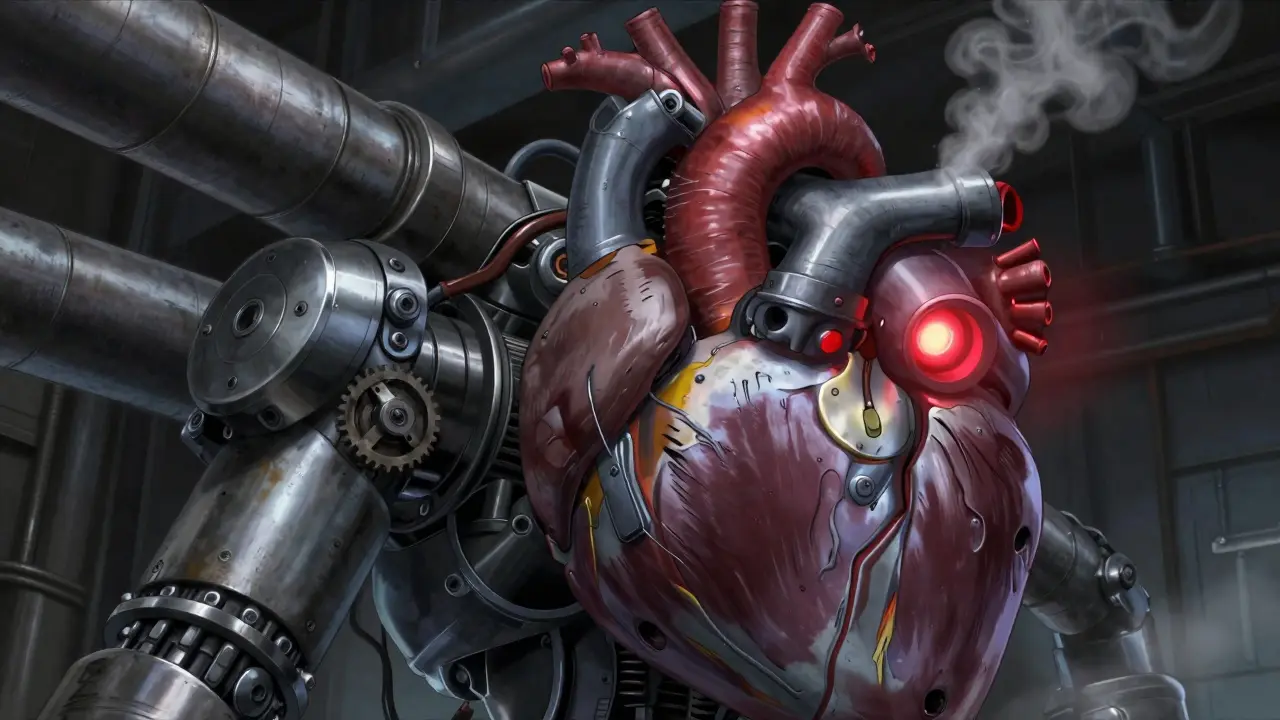
Shortness of breath that doesn't go away after a walk up the stairs. Swollen ankles that appear out of nowhere. A feeling of fullness in your abdomen that has nothing to do with what you ate. These aren't just signs of being 'out of shape.' They are often the quiet, creeping warnings of pulmonary hypertension, a serious condition where blood pressure builds up in the arteries of your lungs. If left unchecked, this pressure forces your right heart to work overtime, leading to strain and eventually failure. But here is the good news: modern therapies have transformed this once-fatal diagnosis into a manageable chronic condition for many patients.
In the past, a diagnosis meant a grim prognosis. Today, thanks to better diagnostic tools and targeted medications, survival rates have improved dramatically. The key? Early detection and understanding exactly how this disease affects your heart and lungs. Let's break down what happens inside your body, how doctors spot it, and what treatments actually work.
Understanding Pulmonary Hypertension and Its Types
To understand why your heart struggles, you first need to understand the plumbing. Normally, blood flows from your right heart into your lungs through low-pressure arteries to pick up oxygen. In pulmonary hypertension (PH), these arteries narrow, thicken, or get blocked. This creates high resistance. Your right ventricle-the chamber responsible for pumping blood to the lungs-has to push much harder against this resistance.
The World Health Organization classifies PH into five distinct groups based on the underlying cause. Knowing which group you fall into is critical because the treatment for one type can be dangerous for another.
- Group 1: Pulmonary Arterial Hypertension (PAH). This is the classic form where the small arteries in the lungs become thickened and narrowed. It can be idiopathic (unknown cause) or associated with connective tissue diseases like scleroderma.
- Group 2: PH due to Left Heart Disease. This is the most common type. If your left side of the heart fails, blood backs up into the lungs, raising pressure. Treating this requires fixing the left heart, not just lowering lung pressure.
- Group 3: PH due to Lung Diseases. Conditions like COPD, emphysema, or interstitial lung disease damage lung tissue and reduce oxygen, causing vessels to constrict.
- Group 4: Chronic Thromboembolic PH (CTEPH). Old blood clots in the lungs never dissolve, blocking blood flow. Unlike other types, this can sometimes be cured with surgery.
- Group 5: Unclear Multifactorial Mechanisms. Rare cases involving metabolic disorders or blood disorders.
Misdiagnosis is rampant. Many patients are told they have asthma or COPD when they actually have Group 1 or Group 4 PH. This delay averages nearly three years, during which the right heart suffers irreversible damage.
Recognizing the Symptoms of Right Heart Strain
The symptoms of PH are tricky because they mimic everyday fatigue or aging. However, there is a specific pattern that points directly to right heart strain. When the right ventricle weakens, it can't pump efficiently, causing blood to back up into your body.
Watch for these "red flag" symptoms:
- Progressive Dyspnea: Shortness of breath that gets worse over time, especially during exertion. If you used to run miles and now struggle to carry groceries, pay attention.
- Edema: Swelling in your legs, ankles, or feet. You might notice your shoes feel tight by the end of the day.
- Abdominal Distension: Fluid buildup in the belly (ascites) causes bloating and loss of appetite.
- Fatigue and Lightheadedness: Your brain isn't getting enough oxygen-rich blood because the right heart can't push enough blood through the lungs.
- Chest Pain: Caused by the right heart muscle itself starving for oxygen as it works too hard.
If you have unexplained swelling and shortness of breath without a history of severe lung disease, ask your doctor about PH. Don't let them dismiss it as anxiety or deconditioning.
Diagnosing Pulmonary Hypertension: Beyond the Echo
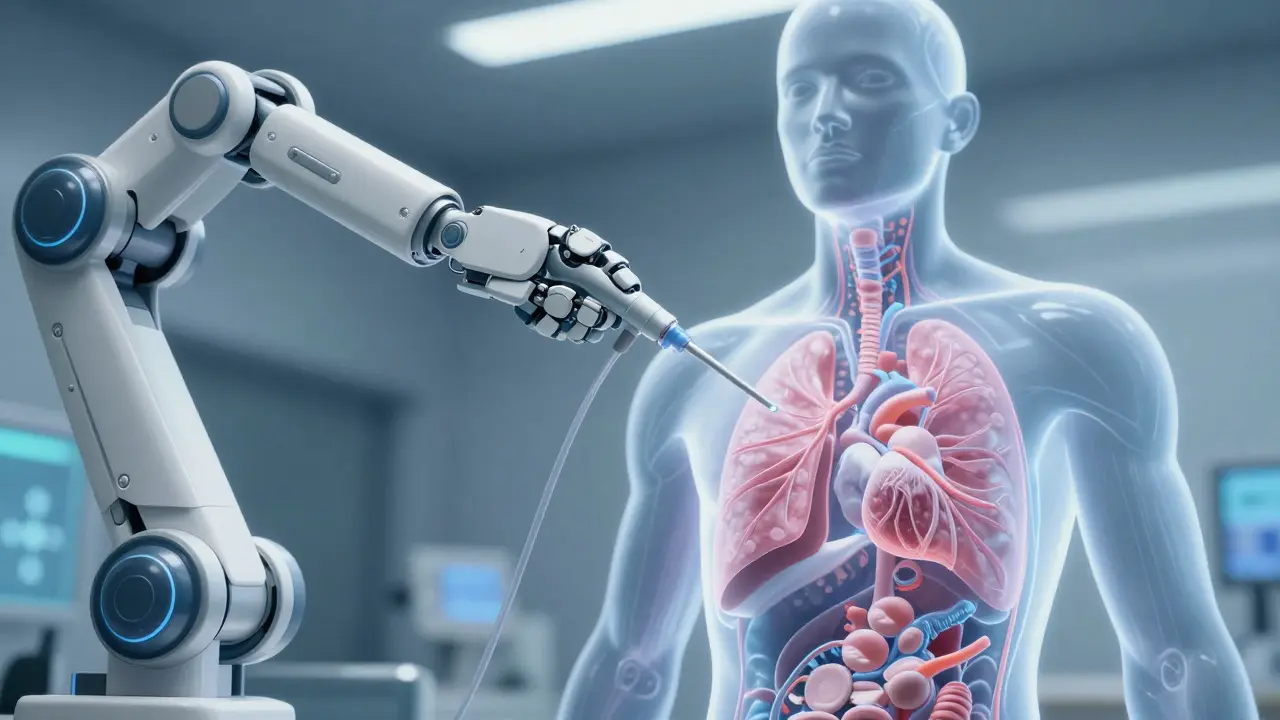
Getting a correct diagnosis is the hardest part of the journey. Most people start with an echocardiogram (echo). An echo uses sound waves to look at your heart. It can estimate pulmonary pressure and check for right heart strain.
Here is the catch: echoes are screening tools, not definitive tests. They can overestimate pressure by 10-15 mmHg. A suggestive result on an echo means you need more testing, not that you definitely have PH.
| Test | Purpose | Accuracy/Limitations |
|---|---|---|
| Echocardiogram | Initial screening for right heart strain and estimated pressure. | High sensitivity but low specificity. Can miss mild cases or overestimate pressure. |
| Right Heart Catheterization (RHC) | Gold standard for measuring actual pressure and resistance. | 100% diagnostic specificity. Invasive procedure with minor risks (arrhythmia, bleeding). |
| 6-Minute Walk Test | Measures functional capacity and oxygen levels during activity. | Predicts prognosis. Distance <380 meters indicates higher risk. |
| Blood Biomarkers (BNP/NT-proBNP) | Checks for heart stress hormones. | Levels >180 pg/mL suggest significant right ventricular dysfunction. |
The only way to confirm PH is through right heart catheterization. During this procedure, a thin tube is threaded through a vein in your neck or groin into your right heart and pulmonary arteries. It measures the mean pulmonary arterial pressure (mPAP). Since 2022, the diagnostic threshold has been lowered to mPAP greater than 20 mmHg at rest. This change helps catch the disease earlier, before the heart sustains major damage.
Doctors also calculate Pulmonary Vascular Resistance (PVR). A PVR greater than 3 Wood units confirms pre-capillary PH (Groups 1, 3, 4). This distinction is vital because it determines whether you qualify for PAH-specific drugs.
Modern Therapies and Treatment Strategies
Treatment for pulmonary hypertension has evolved from supportive care to aggressive, targeted therapy. The goal is to lower pulmonary pressure, improve right heart function, and enhance quality of life.
For Group 1 PAH, doctors use combination therapy from the start. Instead of trying one drug and waiting to see if it works, they attack the problem from multiple angles simultaneously. There are three main classes of PAH-specific medications:
- Endothelin Receptor Antagonists (ERAs): Drugs like bosentan and macitentan block endothelin, a substance that narrows blood vessels. They help keep arteries open.
- Phosphodiesterase-5 (PDE-5) Inhibitors: Sildenafil and tadalafil increase nitric oxide effects, relaxing smooth muscles in the lung arteries.
- Prostacyclin Pathway Agents: These include IV infusions (epoprostenol), inhaled drugs (treprostinil), and oral tablets (selexipag). Prostacyclins are powerful vasodilators that also prevent clotting.
A breakthrough in recent years is sotatercept, approved by the FDA in 2021. This injectable drug targets TGF-β signaling, addressing the root cause of vessel remodeling rather than just dilating vessels. In clinical trials, it reduced the risk of death or clinical worsening by 44%. This represents a shift toward disease-modifying therapy.
For Group 4 (CTEPH), if surgery is not an option, riociguat-a soluble guanylate cyclase stimulator-is often effective. For Group 2 and 3, treatment focuses on the underlying heart or lung disease, using diuretics to manage fluid overload rather than PAH-specific drugs.

Living with PH: Monitoring and Prognosis
Managing PH is a marathon, not a sprint. You will need regular monitoring to ensure your therapy is working and to adjust doses as needed. Your healthcare team will track several key metrics:
- Functional Class: Are you limited by minimal activity (Class III) or able to perform normal activities (Class I)? Improving your class is a primary goal.
- 6-Minute Walk Distance: Walking further indicates better heart and lung efficiency.
- Biomarkers: BNP and NT-proBNP levels should drop as right heart strain decreases.
- Echocardiograms: Regular checks to monitor right ventricular size and function (TAPSE).
Survival rates have improved significantly. In the 1980s, median survival was less than three years. Today, with appropriate therapy, 5-year survival rates exceed 60%. The REVEAL Risk Score calculator helps doctors predict individual outcomes based on age, gender, biomarkers, and functional status.
However, disparities exist. Minority patients often face longer diagnostic delays and higher mortality rates. Advocacy groups like the Pulmonary Hypertension Association are pushing for better education among primary care providers to reduce these gaps.
When to Seek Immediate Care
While PH is chronic, complications can arise suddenly. Seek emergency care if you experience:
- Sudden, severe shortness of breath at rest.
- Chest pain that radiates to your arm or jaw.
- Fainting (syncope) or near-fainting episodes.
- Coughing up blood.
These could signal a pulmonary embolism, acute right heart failure, or arrhythmia. Time is muscle-getting help quickly can save your life.
Is pulmonary hypertension curable?
Most forms of pulmonary hypertension are not curable but are treatable. Group 4 (CTEPH) can sometimes be cured with pulmonary thromboendarterectomy surgery. For other groups, medication manages symptoms and improves survival, turning it into a chronic condition similar to diabetes or hypertension.
What is the difference between pulmonary hypertension and high blood pressure?
Standard high blood pressure (hypertension) affects the systemic arteries carrying blood from the left heart to the body. Pulmonary hypertension specifically affects the arteries in the lungs. They require different treatments; standard blood pressure meds can worsen PH.
Can exercise help with pulmonary hypertension?
Yes, but only under supervision. Rehabilitation programs tailored to PH can improve functional capacity and quality of life. However, unmonitored intense exercise can strain the right heart. Always consult your PH specialist before starting a new regimen.
Why is right heart catheterization necessary if I had an echo?
An echocardiogram estimates pressure but cannot measure it directly. RHC provides exact measurements of pressure and resistance, distinguishing between pre-capillary and post-capillary PH. This distinction is critical because giving PAH drugs to someone with left heart disease (Group 2) can be fatal.
What lifestyle changes should I make if I have PH?
Limit salt intake to reduce fluid retention. Avoid pregnancy, as PH puts extreme stress on the heart. Stay up to date with vaccinations to prevent respiratory infections. Manage stress and avoid high altitudes where oxygen is scarce.