 Jul, 2 2026
Polypharmacy Risk Checker
Enter a medication or food item to check for common high-risk interactions mentioned in the article.
Disclaimer: This tool is for educational purposes only and does not provide medical advice. Always consult your healthcare provider or pharmacist regarding drug interactions.
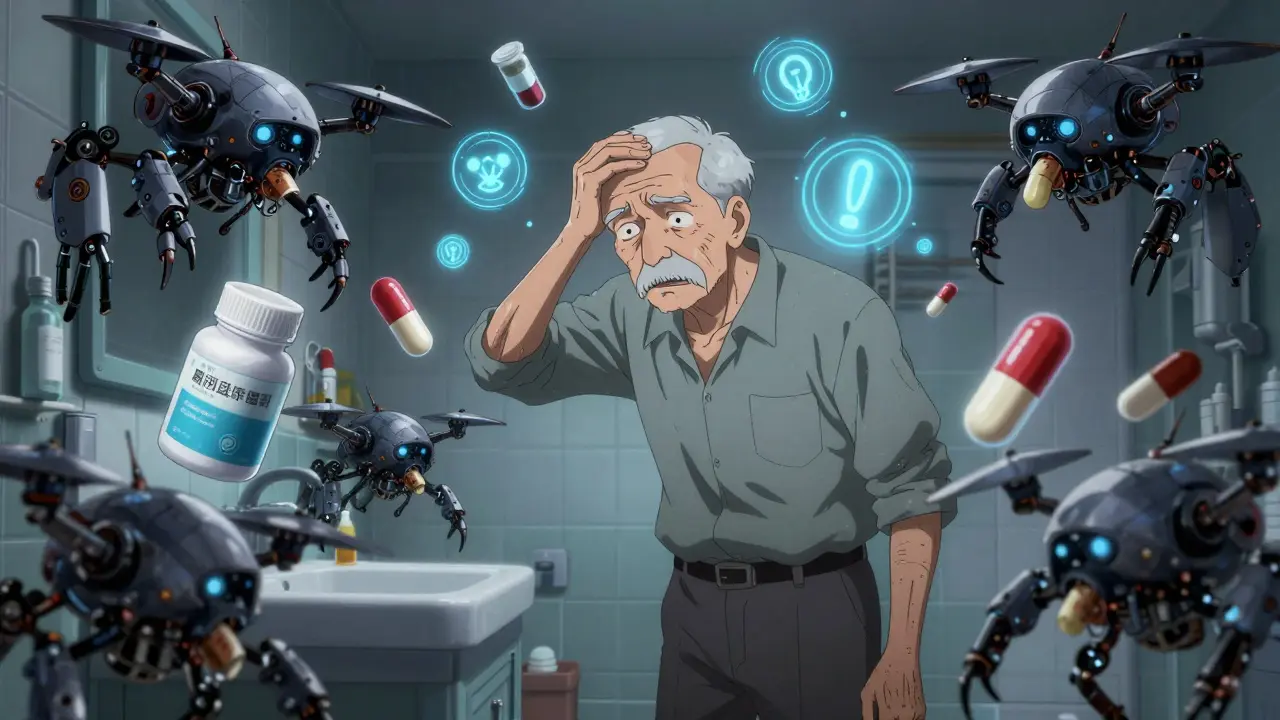
You might be taking five medications a day and feel perfectly fine. But what if two of those pills are quietly working against each other? Polypharmacy-the regular use of multiple medications-is no longer just a medical term; it is a daily reality for millions of people. In fact, about one in five American adults aged 40 to 70 takes five or more prescription drugs. For those in their 60s and 70s, that number jumps to over a third. This isn't just about counting pills. It is about survival. Adverse drug events linked to polypharmacy send 1.3 million older adults to the emergency room every year.
Most people assume that if a doctor prescribed it, it must be safe. The problem is that doctors often don't talk to each other. You have a cardiologist for your heart, a primary care physician for your blood pressure, and maybe a dermatologist for your skin. Each adds a pill. No one steps back to look at the whole picture. This fragmentation creates a dangerous gap where side effects hide until they become emergencies. A simple polypharmacy risk checklist can bridge that gap, helping you and your healthcare team spot trouble before it starts.
The Hidden Dangers of Stacking Medications
When you take a single medication, your body usually handles it well. But add another, and the chemistry changes. Research shows that each additional medication increases the odds of a major drug-drug interaction by 39%. That is a steep climb. It means that going from three pills to six doesn't just double your risk; it multiplies it exponentially.
Consider the concept of 'prescribing cascades.' This happens when a new symptom appears, but instead of realizing it is a side effect of an existing drug, a doctor prescribes yet another medication to treat it. For example, you start an opioid for pain. It causes constipation, so you get a laxative. The laxative causes diarrhea, leading to dehydration and electrolyte imbalance, which makes you dizzy. So, you get medication for dizziness. Suddenly, you are on four drugs to manage the fallout of one. This cycle is common, costly, and entirely preventable with proper review.
Falls are one of the most immediate physical risks. Patients taking more than four medications face a 30% to 50% higher risk of injurious falls. Why? Because many common drugs cause drowsiness, dizziness, or low blood pressure. Combine a sedative with a blood pressure pill, and you create a recipe for disaster. One slip on the stairs can lead to a hip fracture, which often leads to long-term disability in older adults.
High-Risk Combinations to Watch For
Not all combinations are equal. Some pairs are notoriously dangerous because they interfere with how your liver processes drugs. Your liver uses enzymes, particularly a group called CYP3A4, to break down medications. If one substance blocks these enzymes, the other drug builds up to toxic levels in your bloodstream.
- Statins and Grapefruit Juice: Statins like atorvastatin lower cholesterol. Grapefruit juice inhibits the enzyme that breaks them down. Drinking grapefruit juice while on statins can lead to rhabdomyolysis, a severe condition where muscle tissue breaks down and releases harmful proteins into the blood, potentially causing kidney failure.
- Warfarin and Cranberry Juice: Warfarin (Coumadin) is a blood thinner. Cranberry products can increase its anticoagulant effect, raising the risk of dangerous bleeding. Even small amounts can shift your INR (a measure of clotting time) out of the safe range.
- Blood Pressure Meds and Decongestants: Many cold remedies contain pseudoephedrine. This ingredient constricts blood vessels, directly opposing the work of antihypertensive drugs. The result can be a sudden, dangerous spike in blood pressure.
- Benzodiazepines and Opioids: Both classes depress the central nervous system. Taken together, they can slow breathing to fatal levels. This combination is a leading cause of overdose deaths among older adults.
Beyond food interactions, specific drug pairings pose significant threats. Lisinopril, furosemide, and calcium supplements are frequently involved in adverse events. When combined with certain antibiotics or anti-inflammatories, they can disrupt kidney function or electrolyte balance, leading to confusion, weakness, or cardiac arrhythmias.
| Drug Class A | Drug/Food Class B | Potential Consequence |
|---|---|---|
| Statins | Grapefruit Juice | Muscle damage (Rhabdomyolysis) |
| Warfarin | Cranberry Products | Excessive Bleeding |
| Antihypertensives | Decongestants (Pseudoephedrine) | Hypertensive Crisis |
| Opioids | Benzodiazepines | Respiratory Depression |
| SSRIs | NSAIDs (Ibuprofen, Naproxen) | Gastrointestinal Bleeding |

Building Your Personal Risk Checklist
You do not need a medical degree to start managing this risk. The first step is visibility. Most people cannot accurately list all the medications they take, including over-the-counter drugs and supplements. Start by creating a master list. Include every prescription, every vitamin, every herbal supplement, and even occasional painkillers. Bring this list to every single doctor's appointment. Do not rely on memory.
Next, apply the Beers Criteria. Developed by the American Geriatrics Society and updated regularly, this guideline identifies medications that are potentially inappropriate for older adults. It flags drugs with strong anticholinergic properties, such as certain sleep aids and bladder control medications, which can cause confusion, dry mouth, and increased fall risk. If your list includes any drugs on the Beers list, ask your doctor: "Is there a safer alternative?"
Use the ARMOR tool approach. This stands for Assess, Review, Minimize, Optimize, and Reassess. It is a systematic way to tackle polypharmacy:
- Assess: Gather all current medications and reasons for taking them.
- Review: Check for interactions using reliable databases or pharmacist advice.
- Minimize: Identify drugs that are no longer needed or have unclear benefits.
- Optimize: Adjust doses or switch to safer alternatives.
- Reassess: Follow up in 3-6 months to monitor changes.
Pharmacists are your best allies here. While doctors focus on diagnosing diseases, pharmacists specialize in how drugs behave in the body. Ask your pharmacist to perform a comprehensive medication review. They can spot subtle interactions that electronic health record alerts might miss due to 'alert fatigue'-a phenomenon where doctors ignore too many warnings.
The Role of Deprescribing
Deprescribing sounds scary, but it is simply the planned tapering or discontinuation of medications that may be causing harm or are no longer beneficial. It is not about denying care; it is about refining it. Studies show that many patients can reduce their medication count significantly without compromising health outcomes. One cancer patient reduced their regimen from 12 prescriptions to 7 using structured review tools, maintaining efficacy while reducing side effects.
To begin deprescribing safely:
- Identify medications with vague indications. Are you taking something 'just in case'? Or was it started years ago and never re-evaluated?
- Prioritize stopping high-risk drugs first. Benzodiazepines, opioids, and anticholinergics should be reviewed carefully.
- Create a tapering plan. Never stop medications abruptly, especially blood pressure drugs, steroids, or psychiatric medications. Sudden cessation can cause withdrawal symptoms or rebound effects.
- Monitor closely. Keep a symptom diary during the tapering process to track any return of original conditions or new side effects.
Remember, the goal is not zero medications, but optimal medications. Every pill should have a clear purpose, a measurable benefit, and an acceptable risk profile.

Technology and Future Trends
As we move further into 2026, technology is beginning to help solve the polypharmacy puzzle. Machine learning algorithms are now being used to predict adverse drug reactions based on individual patient data, going beyond standard interaction databases. These tools analyze heatmaps of medication combinations to flag unique risks for specific genetic profiles.
Pharmacogenomics is also emerging as a key factor. Your genes determine how quickly or slowly you metabolize certain drugs. Two people can take the same dose of warfarin, but one needs half the amount due to genetic variations. Future checklists will likely integrate genetic testing results to personalize risk assessments.
Smart pill bottles and wearable monitors are starting to provide real-time adherence data. If a wearable detects a sudden drop in blood pressure or irregular heart rhythm after a medication change, it can alert both the patient and the provider immediately. This proactive approach shifts the model from reactive crisis management to preventive safety.
However, technology alone is not enough. Human judgment remains critical. The WHO's 'Medication Without Harm' initiative emphasizes that reducing severe medication-related harm by 50% by 2027 requires collaboration between patients, pharmacists, and doctors. Technology supports this, but it does not replace the conversation.
Practical Next Steps for Today
If you are worried about your medication load, take action this week. First, gather all your pill bottles. Write down the name, dose, and frequency of each. Include vitamins and herbs. Second, schedule a dedicated medication review appointment with your primary care provider or pharmacist. Tell them explicitly: "I want to review my entire medication list for potential interactions and unnecessary drugs." Third, ask about the Beers Criteria and whether any of your medications fall into high-risk categories for your age group.
Be honest about your lifestyle. Do you drink alcohol? Do you eat grapefruit? Do you drive? These factors influence risk. Share this information openly. Your healthcare team cannot protect you from risks they do not know about.
Finally, involve a trusted family member or caregiver. Having a second set of eyes helps catch errors and ensures follow-through. Polypharmacy management is a team effort. By taking charge of your medication list, you reclaim control over your health and reduce the hidden dangers lurking in your medicine cabinet.
What exactly is polypharmacy?
Polypharmacy is defined as the regular concurrent use of five or more medications. While sometimes necessary for complex chronic conditions, it becomes problematic when medications are prescribed without a full review of their combined effects, leading to increased risks of side effects, interactions, and hospitalizations.
How can I tell if I am experiencing a drug interaction?
Symptoms can vary widely but often include unexplained dizziness, excessive drowsiness, confusion, nausea, or changes in blood pressure. Sometimes, a new symptom appears shortly after starting a new medication. If you notice any unusual changes after adding or changing a drug, contact your healthcare provider immediately.
Is it safe to stop taking medications on my own?
No. Abruptly stopping many medications, especially blood pressure drugs, antidepressants, or steroids, can cause dangerous withdrawal symptoms or rebound effects. Always consult your doctor to create a safe tapering plan if deprescribing is recommended.
What is the Beers Criteria?
The Beers Criteria is a widely recognized guideline developed by the American Geriatrics Society that lists medications considered potentially inappropriate for older adults. It highlights drugs with high risks of side effects, such as confusion, falls, or severe interactions, helping clinicians make safer prescribing decisions.
Do over-the-counter supplements count towards polypharmacy risk?
Yes. Supplements, vitamins, and herbal remedies can interact with prescription drugs just like other medications. For example, St. John's Wort can interfere with antidepressants, and calcium supplements can affect antibiotic absorption. They should always be included in your complete medication list.
How often should I review my medication list?
Experts recommend a comprehensive medication review at least once a year, or whenever a new medication is added or stopped. If you have multiple chronic conditions or see several specialists, consider reviewing your list every 3 to 6 months to ensure ongoing safety and appropriateness.