 Apr, 4 2026
For decades, the go-to answer for severe pain was often a prescription pad. But we've seen the fallout: a crisis of addiction and overdose that has left millions of families devastated. The good news is that we are entering a new era of medicine where the goal isn't just to mask pain, but to manage it without the risk of respiratory failure or dependency. Multimodal Pain Management is a comprehensive clinical strategy that uses multiple different types of treatments-both drug-based and lifestyle-based-to attack pain from several different angles at once. By using a combination of therapies, doctors can often lower the dose of any single medication, reducing side effects while keeping the pain under control.
The Shift Away from Opioids
Why the sudden push for alternatives? It comes down to a simple risk-reward calculation. While opioids are powerful, they carry heavy baggage. Data shows that about 40-95% of patients experience constipation and a significant portion face respiratory depression. More alarmingly, the annual incidence of opioid use disorder among chronic pain patients sits around 0.7%. Comparing this to non-opioid routes, the safety profile is night and day. For example, acupuncture has an adverse event rate of only 0.14 per 10,000 treatments. It's a no-brainer: if we can get the same result without the risk of addiction, why wouldn't we?
Immediate Relief for Acute Pain
When you've just had surgery or suffered a sudden injury, you need relief fast. While high-potency meds used to be the only option, the Centers for Disease Control and Prevention (CDC) now recommends starting with non-opioid options. For many, this starts with a combination of physical and chemical interventions.
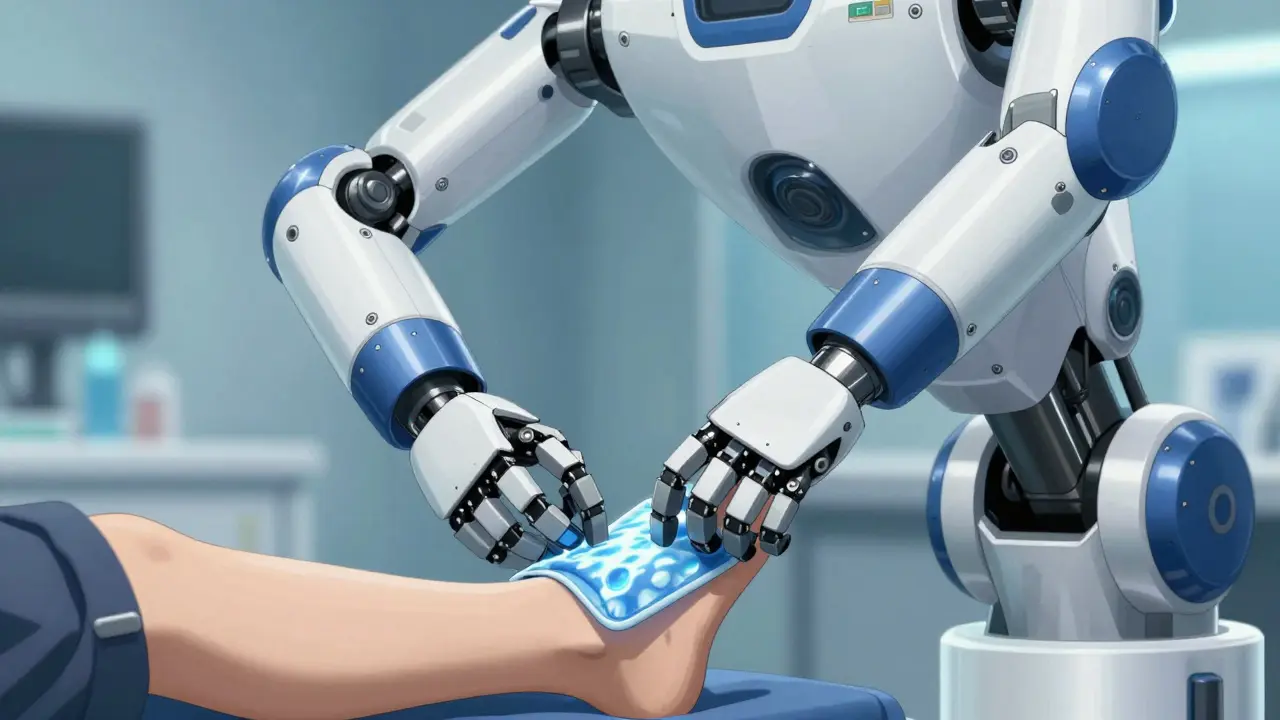
Physically, the "RICE" method (Rest, Ice, Compression, Elevation) remains a gold standard. Applying ice for 15-20 minutes every few hours during the first 72 hours helps snap the inflammation loop. On the medication side, common choices include Acetaminophen is a widely used analgesic and antipyretic that reduces pain and fever by inhibiting prostaglandin synthesis in the central nervous system and Nonsteroidal Anti-inflammatory Drugs (NSAIDs) like ibuprofen. For those dealing with specific acute issues like migraines, targeted drugs such as triptans often achieve pain freedom in 40-70% of patients within just two hours.
| Approach | Example | Typical Application |
|---|---|---|
| Physical | Ice/Cold Packs | 15-20 mins every 2-3 hours (first 48-72 hrs) |
| Pharmacologic | Ibuprofen (NSAID) | 400-800 mg every 6-8 hours |
| Pharmacologic | Acetaminophen | 650-1000 mg every 6-8 hours |
| Targeted | Triptans | Used specifically for migraine relief |
Managing the Long Haul: Chronic Pain Strategies
Chronic pain is a different beast. It's not just a physical sensation; it's a neurological loop that can rewire how your brain perceives pain. This is where a truly multimodal approach shines. Instead of one pill, think of it as a toolkit.
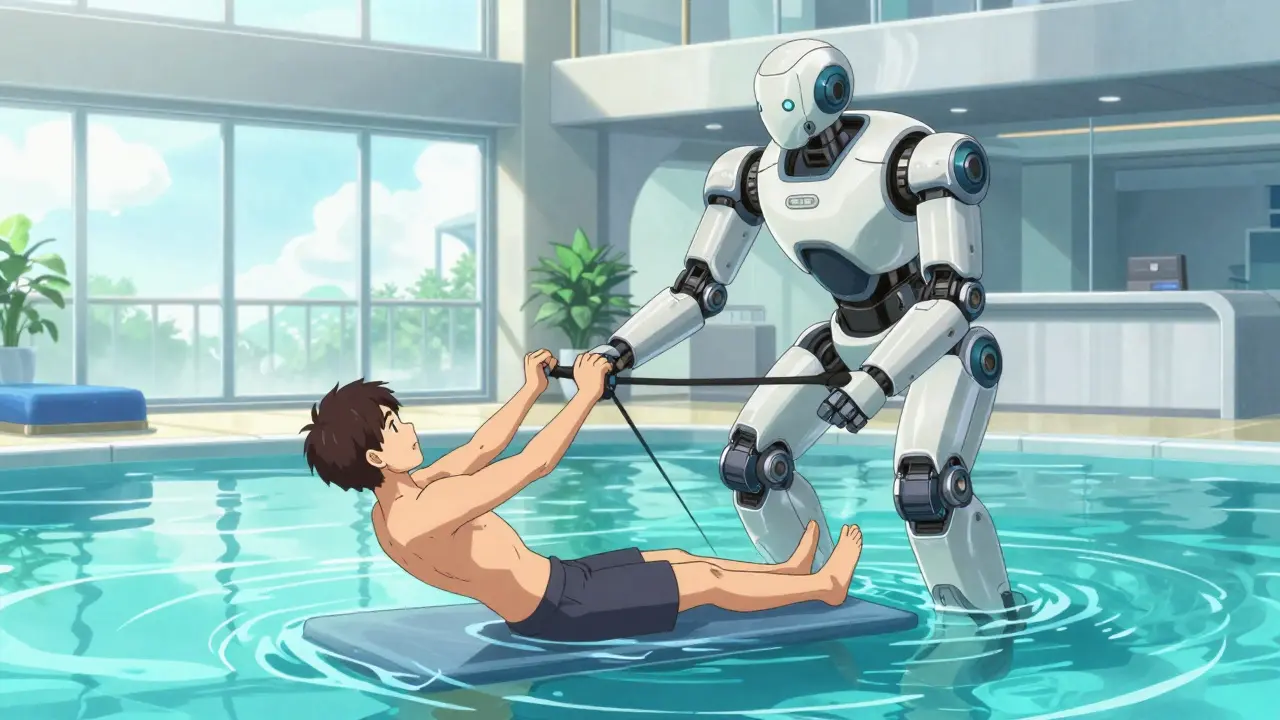
First, there's the physical toolkit. Structured exercise is a heavy hitter here. Aerobic exercise (30-45 minutes, 3-5 days a week) or aquatic therapy in warm water (32-35°C) can significantly reduce stiffness. Resistance training-hitting 60-80% of your one-rep max-helps build the supporting muscle needed to take pressure off joints. For those with chronic low back pain, these exercises combined with Cognitive Behavioral Therapy (CBT) have shown a 30-50% pain reduction in up to 70% of patients.
Then there's the mind-body toolkit. Cognitive Behavioral Therapy (CBT) is a psychological treatment that helps patients reframe their relationship with pain, reducing the emotional distress that often amplifies physical suffering. When paired with mindfulness-based stress reduction or yoga, patients often find they can function better even if the pain hasn't completely disappeared. It's about increasing the "functional ceiling."
Finally, there's the long-term pharmacologic toolkit. For osteoarthritis, topical NSAIDs like diclofenac 1% gel can reduce pain by 20-40% without the stomach issues associated with oral pills. For nerve-related pain, doctors might prescribe tricyclic antidepressants like amitriptyline at low nightly doses to calm overactive pain signals.
The New Frontier: Breakthrough Non-Opioid Meds
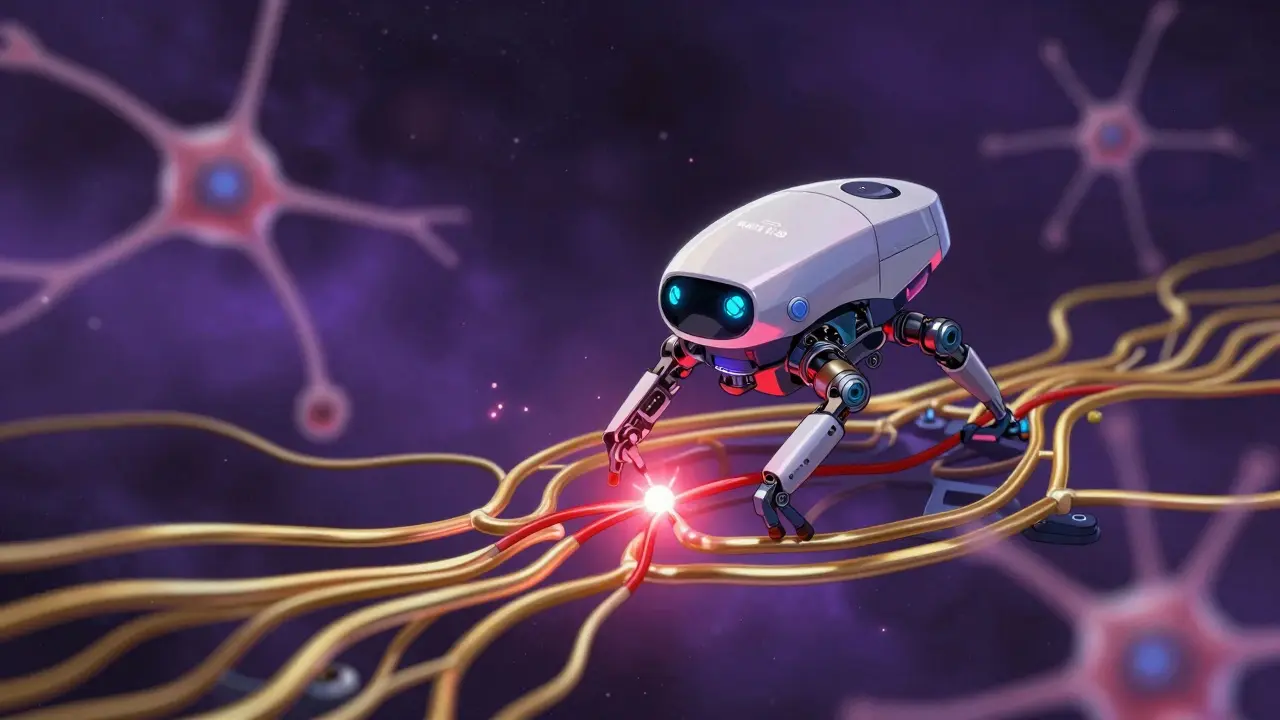
We are finally seeing the arrival of a new class of drugs that act like opioids in terms of power but not in terms of risk. The most significant milestone recently was the FDA approval of Suzetrigine (marketed as Journavx). This drug is a selective NaV1.8 sodium channel inhibitor. In plain English: it blocks the specific pain signals from reaching the brain without affecting the reward centers of the brain. This means it doesn't cause the "high" that leads to addiction, nor does it slow down your breathing or cause the severe constipation associated with traditional narcotics.
Beyond suzetrigine, research is heating up at places like Duke University and UT Health San Antonio. Researchers are currently testing ENT1 inhibitors and compounds like CP612. The latter is particularly exciting because it has shown potential in reducing nerve pain caused by chemotherapy and even easing the brutal symptoms of opioid withdrawal-all without being addictive. The goal here is a "smart" analgesic that targets only the pain pathways, leaving the rest of the body's systems untouched.
Trade-offs and Pitfalls
Let's be real: no treatment is perfect. While we're avoiding the opioid trap, non-opioid paths have their own hurdles. Long-term use of oral NSAIDs carries a 1-2% annual risk of gastrointestinal bleeding. Acetaminophen is safe, but if you go over 4000 mg a day, you risk serious liver damage.
The biggest challenge, however, is the "effort gap." Taking a pill takes two seconds. Attending an 8-week CBT program or doing aquatic therapy three times a week takes a massive amount of time and commitment. Studies show only 40-60% of patients stick with structured exercise programs for chronic pain. The success of multimodal management depends less on the doctor's prescription and more on the patient's discipline.
Putting it All Together: A Decision Framework
If you're trying to figure out the best path, look at your pain as a spectrum. If it's a sudden, sharp injury, start with the RICE method and a short course of NSAIDs. If it's a nagging, years-long ache in the joints or back, don't just look for a pill. Combine a physical therapy regimen with a mind-body practice and a targeted non-opioid medication.
The modern gold standard is to use at least two different non-opioid agents from different drug classes, paired with a non-pharmacologic therapy. This "diversified portfolio" of treatment ensures that if one method hits a plateau or causes a side effect, you have other pillars holding up your recovery.
Are non-opioid alternatives as strong as opioids?
In many cases, yes, especially when used multimodally. While a single non-opioid drug might be less potent than a high-dose opioid, combining several non-opioid strategies (like suzetrigine plus physical therapy) can provide comparable relief for moderate to severe pain without the risk of addiction or respiratory depression.
What is the risk of taking NSAIDs long-term?
The primary concerns with long-term oral NSAID use are gastrointestinal issues, including stomach ulcers and bleeding (about a 1-2% annual incidence), as well as potential kidney strain. This is why doctors often recommend topical NSAID gels for joint pain, as they provide localized relief with far less systemic absorption.
How does CBT actually help with physical pain?
Pain isn't just in the tissues; it's processed in the brain. CBT helps patients identify and change negative thought patterns (like "catastrophizing") that can actually make pain feel more intense. By reducing the emotional stress and anxiety surrounding the pain, the brain's "volume knob" for pain signals is often turned down.
What is the 'RICE' method and when should I use it?
RICE stands for Rest, Ice, Compression, and Elevation. It is best used for acute injuries (like sprains or strains) within the first 48-72 hours to reduce swelling and inflammation. Ice should generally be applied for 15-20 minutes every 2-3 hours during this window.
Is suzetrigine available for everyone?
Suzetrigine (Journavx) is a newly approved class of non-opioid analgesic for acute pain. Availability depends on your healthcare provider and insurance, but it represents a major shift in treating severe acute pain without using narcotics.
Goodwin Colangelo
April 4, 2026 AT 17:31Topical NSAIDs are a total game changer for joint pain since they don't mess with your stomach like the pills do. I've seen a lot of folks struggle with the 'effort gap' mentioned here, but honestly, just starting with a 10-minute walk and some gel is a way better entry point than jumping straight into a full 8-week CBT program.
Beth LeCours
April 5, 2026 AT 11:55Too long.
Divine Manna
April 6, 2026 AT 07:21The banal obsession with pharmacological 'breakthroughs' like suzetrigine merely distracts from the ontological reality that pain is an inherent part of the human condition. One must wonder why we strive so desperately to erase a signal that the body uses to communicate its own deterioration. Most of these 'solutions' are simply sophisticated ways of ignoring the inevitable decay of the physical form, wrapped in the sterile language of clinical efficacy. It is quite telling that we prioritize the removal of the symptom over the understanding of the cause, treating the mind as a mere byproduct of chemical signals rather than the seat of consciousness. The intellectual laziness inherent in seeking a 'smart' analgesic is precisely what led to the opioid crisis in the first place, yet here we are, hoping a different molecule will save us from ourselves. We are not solving the problem; we are merely diversifying our distractions.
Ace Kalagui
April 6, 2026 AT 18:22I really appreciate how this post breaks down the different options because so many of my friends have been struggling with their recovery and just didn't know where to start, and I think if we all just lean into the community support aspect and encourage each other to try the aquatic therapy or maybe even a local yoga class, we can really make a difference in how we handle these long-term challenges together as a supportive group!
The Charlotte Moms Blog
April 7, 2026 AT 05:22Typical... another 'miracle' drug... just what we need!!! Probably just another way for big pharma to make billions... while we just keep taking the risk!!!
simran kaur
April 8, 2026 AT 16:29It is laughable that anyone believes these 'FDA approved' drugs are actually for our benefit when the entire regulatory system is a revolving door for industry executives. The push for 'multimodal' therapy is clearly just a way to shift the cost and labor onto the patient through these tedious exercise programs while they test new NaV1.8 inhibitors on the unsuspecting public. You can't tell me that the timing of these 'breakthroughs' isn't perfectly aligned with the patents of older drugs expiring. It is all a choreographed dance of profit and control, designed to keep us dependent on a different set of chemicals while pretending it's for our own wellness.
Lawrence Rimmer
April 10, 2026 AT 13:35Pain is just a social construct we've been conditioned to fear. If you're too lazy to do the exercises, you deserve the pain.
angel sharma
April 11, 2026 AT 23:45Let's get moving and take charge of our health because the power to heal is already inside all of us and we just need to push through the initial discomfort to reach a place of total wellness and strength that we never thought possible through consistent effort and a positive mindset every single day of our lives!
Dipankar Das
April 13, 2026 AT 12:14It is absolutely imperative that every single patient adheres to the structured exercise regimens described here without any deviation, for it is the only way to achieve a sustainable recovery and avoid the pitfalls of chemical dependency!
Hudson Nascimento Santos
April 14, 2026 AT 01:50The idea of a 'functional ceiling' is interesting. It suggests that the goal isn't the absence of pain, but the expansion of what we can do despite it. That's a much more honest way to look at aging and injury than promising a total cure.