 May, 19 2026
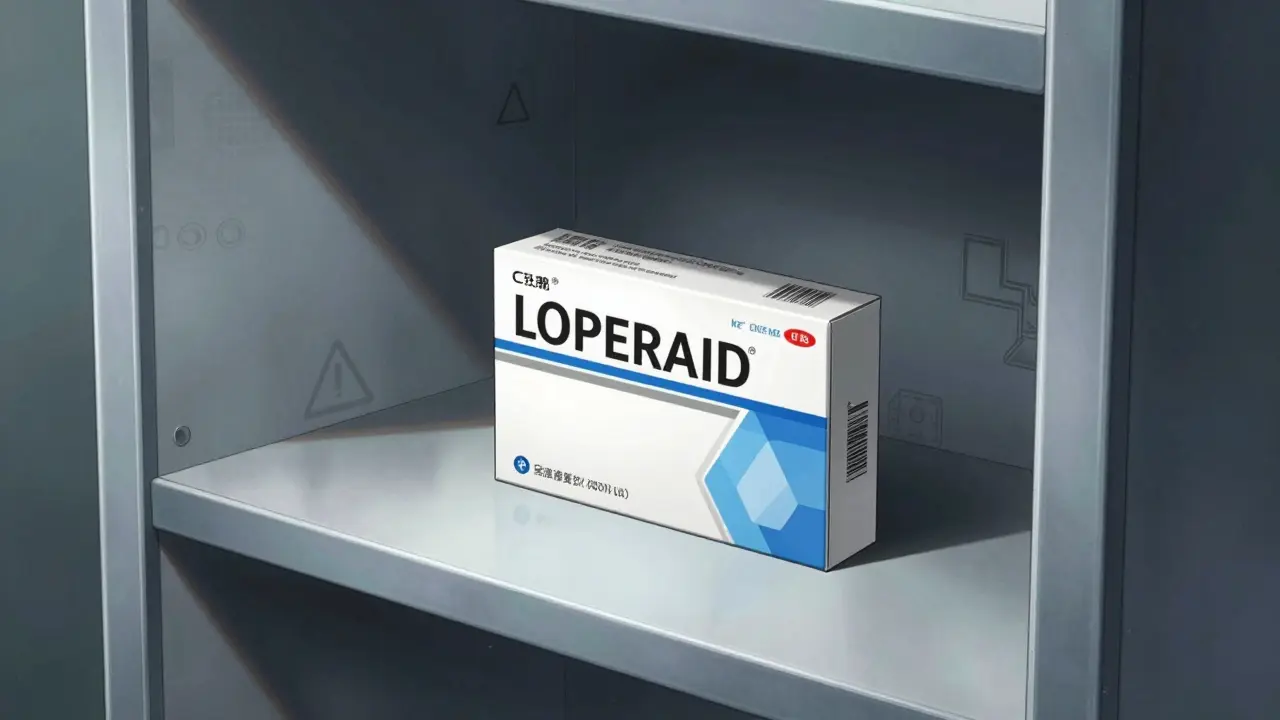
Most of us keep a box of Imodium (loperamide) in the medicine cabinet for occasional stomach bugs. It’s cheap, available without a prescription, and usually works fast. But there is a dark side to this common over-the-counter drug that many people ignore. Loperamide abuse has become a serious public health crisis, particularly among individuals struggling with opioid use disorder. When taken in massive doses, this gut-soothing medication turns into a dangerous, unregulated opioid substitute that can stop your heart.
This isn’t about accidental overdoses from taking one too many pills during a bad flu season. This is about intentional misuse where users consume up to 100 times the recommended dose to mimic the effects of heroin or prescription painkillers. The result? A surge in emergency room visits, cardiac arrests, and deaths that are often misdiagnosed because doctors don’t expect an antidiarrheal to cause such severe damage.
Why People Abuse Loperamide
To understand the risk, you have to look at why someone would choose loperamide over other substances. The primary driver is the opioid epidemic. As access to prescription opioids like oxycodone or hydrocodone tightened due to stricter regulations, many people turned to alternatives to manage withdrawal symptoms or chase a high. Loperamide became the go-to choice because it is legal, cheap, and available anywhere-from grocery stores to gas stations.
Loperamide belongs to a class of drugs called opioid agonists. At normal doses (4 mg initially, then 2 mg after each loose stool), it stays in your gastrointestinal tract. It slows down intestinal movement, which stops diarrhea. Crucially, at these levels, it does not cross the blood-brain barrier significantly, meaning it doesn’t get you "high." However, when you flood your system with hundreds of milligrams, you overwhelm the body’s natural defense mechanism known as P-glycoprotein efflux transport. This allows the drug to enter the central nervous system, producing mild opioid-like effects.
The catch? You need a lethal amount of the drug to feel anything. While methadone or buprenorphine provide controlled relief under medical supervision, loperamide offers no therapeutic benefit for addiction at the doses required to produce euphoria. Users are essentially gambling with their lives just to numb the pain of withdrawal.
The Cardiac Danger Zone
The most terrifying aspect of loperamide abuse is its impact on the heart. Unlike other opioids that primarily suppress breathing, loperamide attacks the electrical system of the heart. At toxic levels, it inhibits hERG potassium channels and cardiac sodium channels. Think of these channels as the wiring that tells your heart when to beat. When they are blocked, the electrical signals slow down and become erratic.
This leads to two critical conditions:
- QT Interval Prolongation: This is a delay in the heart’s electrical recharging phase between beats. It creates a window of vulnerability where abnormal rhythms can start.
- Torsades de Pointes: A specific type of ventricular tachycardia that looks like twisting points on an ECG monitor. It can degenerate into ventricular fibrillation, causing sudden cardiac arrest.
According to the U.S. Food and Drug Administration (FDA), more than half of all reported serious cardiac events involving loperamide occurred after 2010. In many cases, patients arrive at the hospital with chest pain or fainting spells, but because standard toxicology screens do not detect loperamide, doctors might miss the diagnosis entirely. By the time the connection is made, the patient may already be in critical condition.
| Factor | Standard Medical Use | Abusive Use |
|---|---|---|
| Daily Dosage | Max 8 mg/day (OTC) | 100-400+ mg/day |
| Purpose | Treat acute diarrhea | Mimic opioids / ease withdrawal |
| Blood-Brain Barrier | Blocked by P-glycoprotein | Saturated; enters CNS |
| Primary Risk | Constipation, nausea | Cardiac arrhythmia, death |
| Euphoria | None | Mild (at extreme cost) |

Warning Signs of Toxicity
If you suspect someone is abusing loperamide, or if you have taken more than the recommended dose, watch for these specific warning signs. These symptoms indicate that the drug is affecting the heart or nervous system dangerously.
Cardiac Symptoms:
- Palpitations: Feeling like your heart is racing, fluttering, or skipping beats.
- Chest Pain: Unexplained pressure or tightness in the chest, even without exertion.
- Syncope: Sudden fainting or loss of consciousness due to inadequate blood flow to the brain.
- Hyperventilation: Rapid, shallow breathing accompanied by anxiety or confusion.
Gastrointestinal & Neurological Symptoms:
- Severe Constipation: Paralysis of the intestine (ileus) can occur, leading to abdominal distension and vomiting.
- Nausea and Vomiting: Persistent inability to keep food or water down.
- Drowsiness or Confusion: Signs that the drug has crossed into the central nervous system.
A case report from MaineHealth documented a 32-year-old male who took 80 mg of loperamide daily. He presented with polymorphic ventricular tachycardia and transient left ventricular dysfunction. His ECG showed a prolonged QTc interval, a clear marker of loperamide-induced cardiotoxicity. This level of damage can happen quickly and is often irreversible without immediate intensive care.
The Role of "Boosters"
Some abusers take their risk further by combining loperamide with other medications to enhance its effects. This practice, known as "boosting," involves taking drugs that inhibit the metabolism of loperamide or block the P-glycoprotein pump. Common boosters include:
- Quinidine: An antiarrhythmic drug that ironically increases the risk of fatal arrhythmias when combined with loperamide.
- Diphenhydramine (Benadryl): An antihistamine that can increase sedation and impair heart function.
- Cimetidine (Tagamet): An acid reducer that blocks the enzymes responsible for breaking down loperamide.
Dr. Andrew Stolbach, a medical toxicologist at Johns Hopkins Hospital, warns that these combinations make the toxicity unpredictable. By inhibiting the body’s ability to clear the drug, users create a cumulative effect that can linger for days, increasing the window of danger for cardiac events.
Regulatory Responses and Packaging Changes
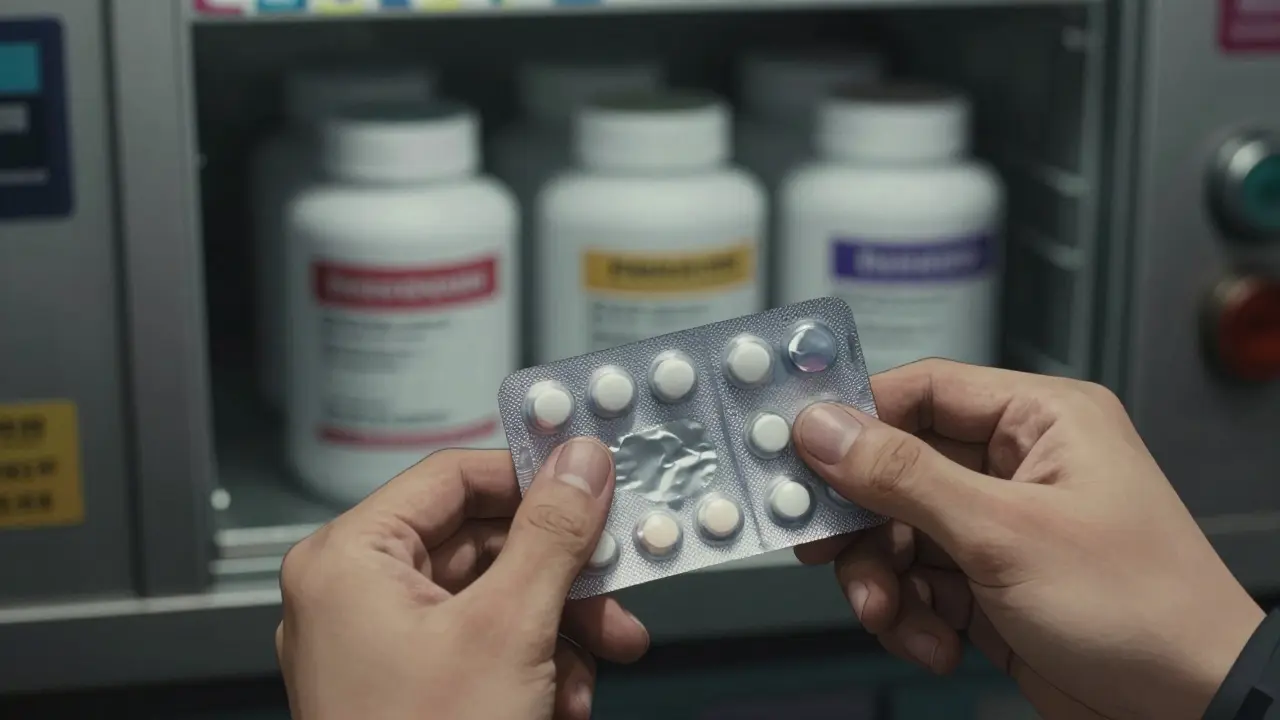
In response to the rising tide of abuse, regulatory bodies and manufacturers have taken steps to limit access. In 2016, the FDA issued a Drug Safety Communication highlighting the risks of supratherapeutic dosing. They mandated stronger warnings on labels, explicitly stating that higher doses can cause serious cardiac events, including death.
More significantly, the Consumer Healthcare Products Association (CHPA) implemented voluntary packaging restrictions in 2019. Products containing more than 45 mg of loperamide must now be sold in single-dose packages. This means you can no longer buy a bottle of 100 pills easily; you must purchase them individually or in small quantities. The goal is to prevent bulk purchases intended for abuse.
Despite these measures, sales data shows a slight decrease in unit sales between 2016 and 2020, but abuse patterns have shifted. Some users turn to online pharmacies or international markets where packaging restrictions may not apply. The National Survey on Drug Use and Health estimated that approximately 580,000 Americans aged 12 or older reported non-medical use of loperamide in a single year, with prevalence rates soaring to 15.3% among those with diagnosed opioid use disorder.
What To Do If You Suspect Abuse
If you or someone you know is using loperamide to manage opioid withdrawal, it is critical to seek professional help immediately. Loperamide is not a treatment for addiction; it is a dangerous band-aid that carries a high risk of mortality.
Immediate Steps:
- Stop Taking Loperamide: Discontinue use immediately to reduce the load on the heart.
- Seek Medical Attention: Go to the nearest emergency room. Tell the doctors exactly what you have taken and how much. Mention any "boosters" used.
- Request Cardiac Monitoring: Ask for an ECG to check for QT prolongation. Standard urine tests will not show loperamide, so verbal disclosure is vital.
- Contact SAMHSA: The Substance Abuse and Mental Health Services Administration offers a free, confidential helpline (1-800-662-HELP) for treatment referrals and information.
Medical professionals can administer treatments like magnesium sulfate for Torsades de Pointes and provide safe, evidence-based alternatives for opioid use disorder, such as buprenorphine or methadone. These medications are designed to stabilize brain chemistry without the catastrophic cardiac risks associated with loperamide abuse.
The convenience of an over-the-counter drug should never outweigh the safety of your life. Loperamide saves lives when used correctly for diarrhea, but it kills when abused as an opioid substitute. Recognizing the signs and understanding the mechanisms behind this toxicity is the first step toward prevention and survival.
Is loperamide addictive?
Physically, loperamide is less addictive than traditional opioids because it produces minimal euphoria even at high doses. However, psychological dependence can develop in individuals using it to self-manage opioid withdrawal symptoms. The behavioral pattern of seeking out large quantities to avoid withdrawal constitutes a form of substance use disorder.
How much loperamide is considered an overdose?
The maximum recommended daily dose for over-the-counter use is 8 mg. Any dose exceeding this limit, especially amounts above 16 mg, is considered supratherapeutic and carries significant risks. Abusers often take between 100 mg and 400 mg daily, which is 12.5 to 50 times the safe limit and poses a high risk of cardiac arrest.
Can naloxone (Narcan) reverse loperamide overdose?
Naloxone may reverse some of the central nervous system effects (like respiratory depression or sedation) caused by loperamide crossing the blood-brain barrier. However, it does NOT address the cardiac toxicity (QT prolongation or arrhythmias). Therefore, naloxone alone is insufficient treatment for loperamide abuse, and immediate hospitalization is required.
Why is loperamide still available over the counter?
The FDA has determined that the benefits of having an effective, accessible treatment for acute diarrhea outweigh the risks of abuse for the general population. Instead of banning it, regulators have implemented stricter labeling warnings and packaging restrictions (single-dose packs) to mitigate the risk of bulk purchasing for abuse.
What are the long-term effects of loperamide abuse?
Long-term abuse can lead to permanent heart damage, including cardiomyopathy (weakening of the heart muscle) and chronic arrhythmias. It also causes severe gastrointestinal issues like paralytic ileus, where the intestines stop moving entirely, requiring surgical intervention. Repeated episodes of cardiac arrest can result in hypoxic brain injury due to lack of oxygen.
Justina Ingram
May 20, 2026 AT 02:24thx for this info, its scary how easy it is to get these pills everywhere now :/
amit kumar
May 20, 2026 AT 18:29This is a very important discussion to have. The heart risks are real and often overlooked by people who think OTC means safe. We need more awareness about this. 🙏❤️
Emma Olliff
May 22, 2026 AT 12:30It is frankly pathetic that we still allow this garbage to be sold freely in every corner store. The packaging restrictions are a joke because anyone with half a brain can buy them online or just hoard them over time. People treat their bodies like trash and then expect society to clean up the mess. It’s not a 'crisis,' it’s a moral failure of individuals who choose to self-medicate with poison instead of seeking actual help. The fact that doctors miss the diagnosis because they don’t check for loperamide shows how incompetent modern medicine has become when faced with obvious substance abuse.
Kris Wong
May 22, 2026 AT 12:31The FDA isn't protecting you, they're protecting the pharma profits. They know exactly what's happening with the QT prolongation but as long as the sales keep going, nothing changes. The 'boosters' section is basically a recipe book for how to kill yourself faster, which tells me the regulators are either asleep at the wheel or part of the problem. Wake up sheeple. 💊🚫
Tanya KLIMCHUK Klimchuk
May 23, 2026 AT 02:48You need to stop downplaying the severity here! This isn't just a 'risk,' it's a death sentence waiting to happen. I work in ER triage and I see the damage firsthand. If you are reading this and you are using Imodium for anything other than diarrhea, you are literally playing Russian Roulette with your heart valves. Stop making excuses and go to a doctor NOW. Buprenorphine exists and it saves lives, unlike this toxic sludge. Don't be stupid.
Anthony Red
May 24, 2026 AT 09:20Yeah man, I had a buddy who used to do this back in college thinking he was smart. He thought he could outsmart the withdrawal symptoms without getting hooked on legit meds. Next thing you know he’s flatlining on a dance floor. It’s wild how fast it happens. You feel fine one minute and then your heart just decides to quit. Scary stuff.
Sam Mackellar
May 25, 2026 AT 05:35I appreciate the detailed explanation of the cardiac mechanisms. It is crucial to understand that loperamide does not merely suppress breathing like traditional opioids; it directly disrupts the electrical stability of the myocardium. The distinction between therapeutic use and abusive dosing cannot be overstated. We must respect the boundaries of medical guidelines to ensure public safety.
Diana Wiechecka
May 25, 2026 AT 13:15So true! The heart stuff is so dangerous. Thanks for sharing this info! 😊💓
Desirea Gaona
May 26, 2026 AT 19:19We must collectively acknowledge the gravity of this situation and support those affected with compassion and factual information. The physiological impact described herein underscores the necessity of professional intervention rather than self-administered remedies. Let us foster an environment where seeking help is viewed as a strength, not a weakness. Education is our most potent tool against such misuse.
Javier Arauz
May 27, 2026 AT 12:59Another day, another government warning about something we already knew. Why are we letting foreign markets dictate our drug policies? If it’s bad, ban it. If it’s good, leave it alone. But this middle ground is bullshit. People are dying because we’re too afraid to take hard lines on addiction. Fix the border, fix the supply chain, and stop coddling junkies.
Lori Wildrick
May 28, 2026 AT 21:50I find myself reflecting on how our cultural approach to pain management has shifted so dramatically. It is quite sad to see individuals resorting to such dangerous measures due to lack of accessible care. Perhaps we can look at this through a lens of community support and holistic healing options that are safer and more inclusive for everyone involved.
Kathryn Byrd
May 29, 2026 AT 06:17The data regarding the prevalence among those with diagnosed opioid use disorder is particularly concerning. It highlights a gap in current treatment protocols that needs immediate attention from healthcare providers.