 Jul, 9 2026
Generic medications are the backbone of modern healthcare. They save patients and insurers billions of dollars every year by offering the same active ingredients as brand-name drugs at a fraction of the cost. But here is the reality that often gets lost in the conversation about savings: not all generics perform exactly the same way for every patient. While regulatory bodies like the FDA set strict standards, pharmacists remain the last line of defense between a prescription and a patient’s health. Knowing when to flag a potential issue with a generic drug isn't just about being cautious; it is a critical clinical skill that prevents adverse events and ensures therapeutic success.
The core promise of generic drugs is bioequivalence, meaning they deliver the same amount of active ingredient into the bloodstream over the same period as the brand-name reference listed drug (RLD). However, the regulations allow for a confidence interval of 80% to 125%. For most medications, this variance is clinically insignificant. But for certain high-risk drugs, that margin can mean the difference between stability and crisis. This article breaks down exactly when you should pause, investigate, and potentially intervene when dispensing generic medications.
Understanding the Regulatory Safety Net
To identify problems, you first need to understand what "approved" actually means. Under the Hatch-Waxman Act, manufacturers submit an Abbreviated New Drug Application (ANDA) to prove their product matches the RLD in dosage form, strength, route of administration, and labeling. The FDA requires bioequivalence studies showing that the Area Under the Curve (AUC) and Cmax (maximum concentration) fall within that 80-125% range.
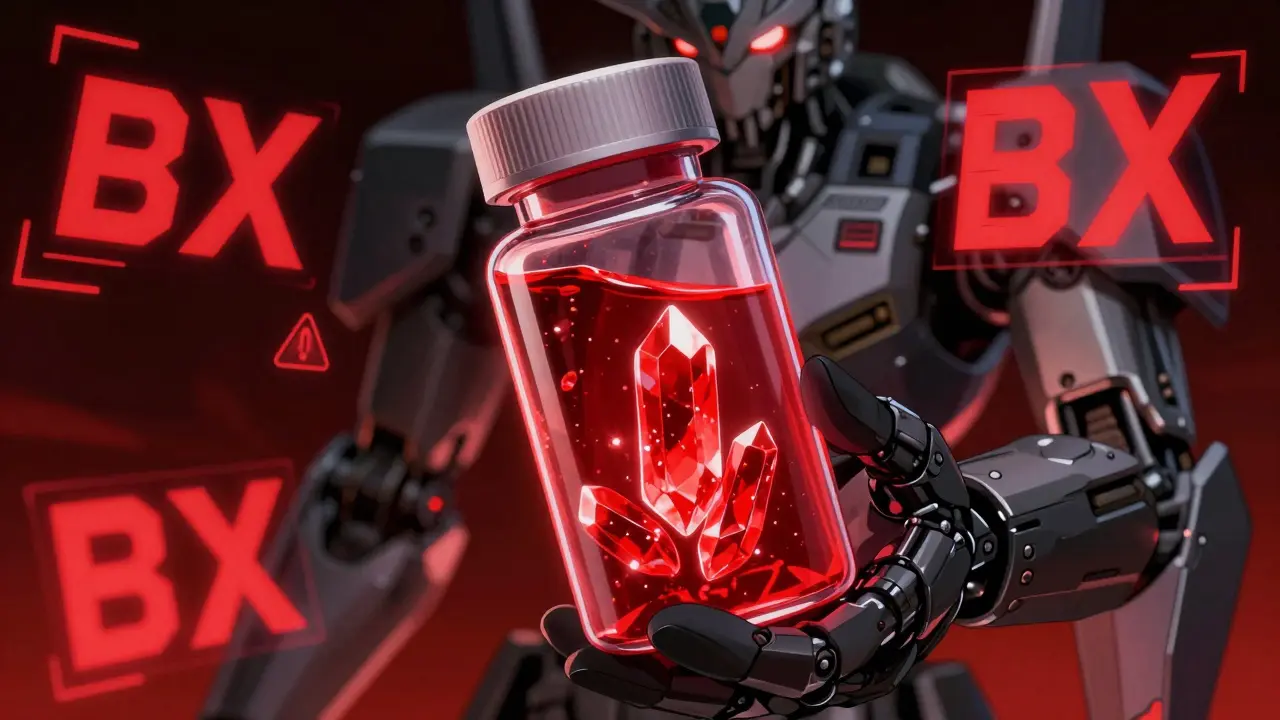
Most of the time, this works perfectly. As of late 2023, generics made up over 90% of prescriptions dispensed in the U.S., accounting for only 23% of drug spending. Yet, quality issues do slip through. In fiscal year 2022 alone, the FDA conducted thousands of facility inspections and identified hundreds of observations related to data integrity and inadequate quality control. When you look at the FDA's Orange Book, you will see therapeutic equivalence codes. An 'AB' rating means the drug is therapeutically equivalent to the brand. A 'BX' rating, however, indicates unresolved bioequivalence concerns. These BX-rated products are red flags that require immediate attention.
Narrow Therapeutic Index Drugs: The High-Stakes Category
If there is one area where pharmacists must be hyper-vigilant, it is narrow therapeutic index (NTI) drugs. These are medications where small changes in blood concentration can lead to serious therapeutic failure or toxicity. The FDA has designated 18 specific drugs as NTIs, including levothyroxine, warfarin, phenytoin, and digoxin.
Research published in the Journal of the American Pharmacists Association highlights that NTI drugs have 2.3 times higher rates of therapeutic failure when multiple generic switches occur. Consider digoxin: switching between manufacturers resulted in an adverse event rate of 12.7 per 10,000 prescriptions, compared to just 4.3 for non-NTI drugs. Why? Because the excipients (inactive ingredients) and manufacturing processes differ between companies. Even if the active ingredient is identical, the dissolution profile-the speed at which the pill breaks down in the stomach-can vary.
When dispensing an NTI drug, you should:
- Check the manufacturer: If a patient has been stable on a specific generic manufacturer, try to maintain consistency. Frequent switching due to supply chain issues is a major risk factor.
- Monitor levels closely: For drugs like tacrolimus or cyclosporine, a 20% difference in bioavailability could push a patient out of their therapeutic window.
- Educate the patient: Inform them that while the drug is generic, the inactive ingredients may cause different side effects, such as gastrointestinal upset.
Complex Formulations and Dissolution Issues
Not all pills are created equal. Immediate-release tablets are generally straightforward. Extended-release (ER), sustained-release (SR), and delayed-release formulations are significantly more complex. These rely on precise coating technologies or matrix systems to release the drug slowly over time.
In 2020, FDA testing revealed that 7.2% of generic extended-release opioids failed dissolution testing, compared to only 1.1% of immediate-release products. Failure here doesn't just mean the drug is less effective; it can mean "dose dumping," where the entire dose is released at once, leading to overdose risks. Another example is diltiazem CD. The FDA issued a safety communication regarding inconsistent dissolution profiles in certain generic versions, linking them to dozens of cases of therapeutic failure where patients’ heart rates spiked unexpectedly.
When you encounter complex generics, pay close attention to patient reports of sudden loss of efficacy or unexpected side effects shortly after a switch. If a patient says, "This new pill wears off faster," or "I feel dizzy right after taking it," trust that instinct. It may indicate a formulation issue rather than patient non-adherence.
| Drug Category | Bioequivalence Risk | Common Examples | Pharmacist Action |
|---|---|---|---|
| Immediate Release | Low | Amoxicillin, Lisinopril | Standard verification |
| Narrow Therapeutic Index (NTI) | High | Levothyroxine, Warfarin, Phenytoin | Verify manufacturer, monitor labs |
| Extended/Sustained Release | Moderate-High | Diltiazem ER, Opioids XR | Watch for dissolution failures |
| BX-Rated Products | Very High | Various (see Orange Book) | Flag for prescriber review |
Look-Alike, Sound-Alike Confusion
Human error remains a significant component of generic drug issues. The Institute for Safe Medication Practices (ISMP) reports that look-alike/sound-alike (LASA) name confusion accounts for over 14% of reported generic medication errors. Generic packaging often uses plain white boxes with minimal branding, making visual identification harder than with distinctively colored brand-name packaging.
Combinations like oxycodone/acetaminophen and hydrocodone/acetaminophen are frequently confused. Similarly, drugs with similar names but different strengths or indications can be mixed up during high-volume dispensing. To mitigate this:
- Use Tall Man Lettering: Utilize pharmacy software features that highlight LASA pairs with contrasting capitalization (e.g., DOXEpin vs. DOXOrubicin).
- Double-Check Expirations and NDCs: Never rely solely on the bottle label. Verify the National Drug Code (NDC) against your system.
- Patient Counseling: Ask the patient to read back the name and dose. If they say "the blue pill" and you hand them a white one, stop and verify.
When to Intervene: Practical Protocols
So, how do you know when to pull the trigger and flag an issue? The American Society of Health-System Pharmacists (ASHP) and the American Pharmacists Association (APhA) provide clear guidelines. You should intervene if:
- Therapeutic Failure Occurs: A patient reports that their condition worsened within 2-4 weeks of a generic switch. For example, a thyroid patient’s TSH rises significantly after switching levothyroxine manufacturers.
- Unexpected Side Effects: The patient experiences new allergic reactions or GI distress that were not present with the previous manufacturer. This is often due to differences in fillers like lactose or dyes.
- Orange Book Warnings: You notice the product has a BX rating or there is an open FDA recall or safety communication for that specific NDC.
- State Law Restrictions: Some states, like Massachusetts and Texas, have unique requirements for NTI drugs that restrict automatic substitution without prescriber approval.
Documentation is key. The University of Florida College of Pharmacy recommends documenting the manufacturer information for all dispensed medications. In 68% of therapeutic failure investigations, traceback analysis required knowing exactly which batch and manufacturer was involved. If you suspect a problem, file a report via the FDA’s MedWatcher app or the ISMP reporting program. Your data helps protect other patients.
Market Realities and Supply Chain Volatility
The generic market is vast, generating over $135 billion globally in 2022, but it is also fragile. In 2023, nearly 40% of all drug shortages were directly attributable to quality issues at manufacturing facilities, particularly in India and China. This volatility forces pharmacies to switch manufacturers frequently, increasing the risk of exposure to problematic batches.
As a pharmacist, you are navigating a landscape where cost-saving mandates often clash with clinical nuance. State laws vary widely; 29 states have mandatory substitution laws, while others operate on presumed consent. Understanding your local regulations is essential. In states with presumed consent, you have more latitude to withhold a generic if you believe it poses a risk, provided you document your clinical rationale.
Future developments aim to tighten these nets. The FDA’s GDUFA III initiative allocates over $1 billion to enhance review processes and post-market surveillance. Artificial intelligence pilots are already underway to detect patterns in adverse event reports faster than human analysts can. Until then, your clinical judgment remains the most valuable tool in the room.
Are generic drugs always as effective as brand-name drugs?
For the vast majority of medications, yes. The FDA requires generics to be bioequivalent, meaning they deliver the same active ingredient in the same amount and rate. However, for Narrow Therapeutic Index (NTI) drugs or complex extended-release formulations, slight variations in inactive ingredients or manufacturing processes can occasionally lead to differences in effectiveness or side effects for sensitive patients.
What is an NTI drug and why does it matter?
NTI stands for Narrow Therapeutic Index. These are drugs where a small change in blood concentration can cause serious harm or treatment failure. Examples include warfarin, levothyroxine, and phenytoin. Because the margin for error is so small, pharmacists must be extra careful when switching manufacturers for these drugs, ensuring consistent bioavailability.
How can I check if a generic drug has known issues?
You can consult the FDA’s Orange Book to check the therapeutic equivalence code. Look for 'AB' ratings for safe substitutions. Avoid 'BX' ratings, which indicate unresolved bioequivalence concerns. Additionally, check the FDA website for recent Drug Safety Communications or recalls related to specific National Drug Codes (NDCs).
What should I do if a patient complains about a generic side effect?
First, validate the complaint by checking if the symptom started after a manufacturer switch. Document the specific manufacturer and lot number. If the reaction appears linked to inactive ingredients (like dyes or fillers), contact the prescriber to request a different generic manufacturer or a brand-name exception. Report the adverse event to the FDA via MedWatch.
Do state laws affect my ability to refuse a generic substitution?
Yes. Laws vary by state. Some states have mandatory substitution laws requiring you to dispense generics unless the prescriber writes "Dispense as Written." Others use presumed consent models, allowing pharmacists to override substitution based on clinical judgment. Always familiarize yourself with your state board of pharmacy’s specific regulations regarding NTI drugs and substitution overrides.