 Jul, 14 2026
Herb-Medication Interaction Checker
Why This Matters
of tested supplements contained undeclared pharmaceutical ingredients
DSHEA Act passed, removing pre-market approval requirements for supplements
compliance rate for products with third-party verification seals (USP/NSF)
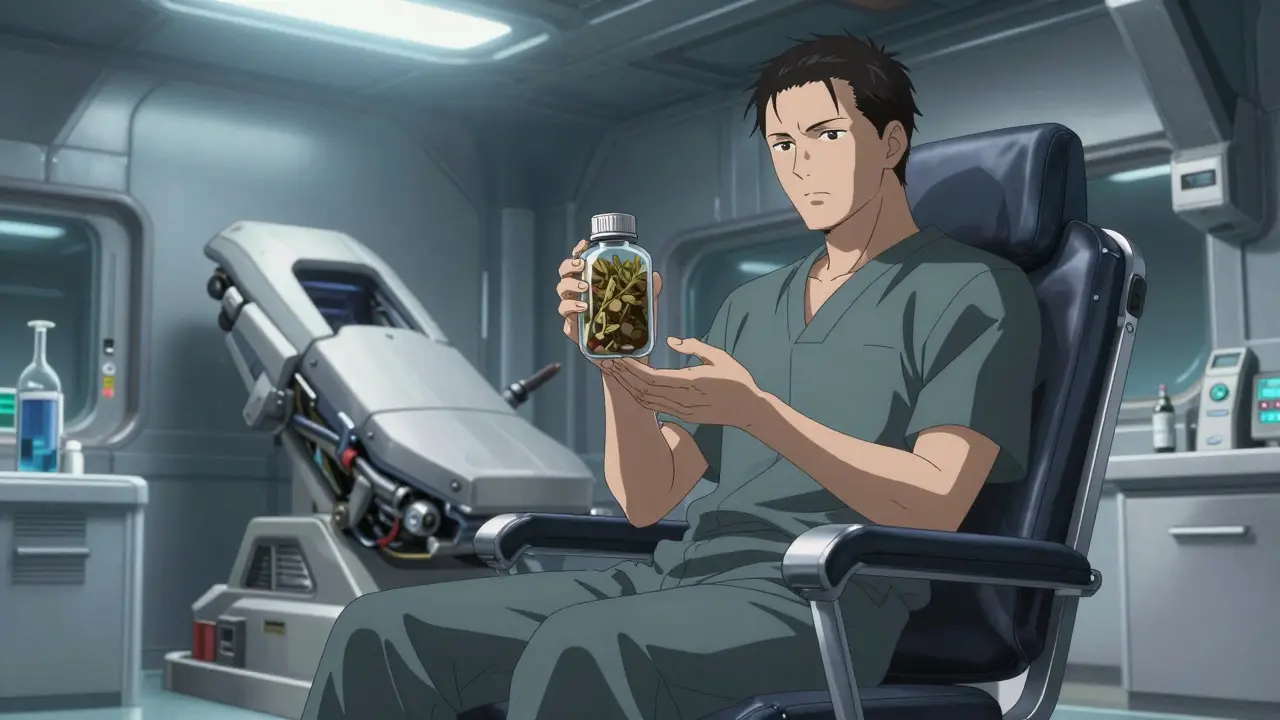
You pop a pill for your blood pressure. You take a herbal tea for stress. You assume they are separate worlds-one regulated by strict science, the other by nature’s gentle touch. But here is the hard truth: that herbal tea might be fighting a silent war against your prescription medication inside your body.
The U.S. Food and Drug Administration (FDA) has issued countless warnings about herbal products that require immediate medical disclosure to prevent dangerous drug interactions. Unlike pharmaceutical drugs, which undergo years of rigorous testing before hitting shelves, dietary supplements operate in a regulatory gray zone. This gap creates real danger for consumers who believe "natural" automatically means "safe."
Why the FDA Issues Warning Letters for Supplements
To understand why these warnings exist, you have to look at how supplements are regulated compared to traditional medicines. Under the Dietary Supplement Health and Education Act (DSHEA) of 1994, manufacturers do not need to prove their products work or are safe before selling them. They only need to notify the FDA if they use a new ingredient. Once on the market, the burden shifts entirely to the FDA to prove a product is unsafe after it causes harm.
This post-market surveillance system means the FDA often reacts rather than prevents. When the agency issues a warning letter, it is usually because a company has crossed a line-either by making unapproved drug claims (like saying a herb cures cancer) or by failing to follow Good Manufacturing Practices (GMP). For example, in July 2019, the FDA warned Herbal Doctor Remedies for insanitary conditions and unsubstantiated therapeutic claims. These warnings serve as public alerts that specific brands or ingredients pose risks that doctors need to know about.
| Feature | Prescription Drugs | Herbal Supplements |
|---|---|---|
| Premarket Approval | Required (NDA process) | Not Required |
| Safety/Efficacy Proof | Mandatory clinical trials | Manufacturer responsibility only |
| Labeling Requirements | Strict dosage & side effect lists | Supplement Facts panel + disclaimer |
| FDA Enforcement Trigger | Pre-approval review | Post-market adverse events/violations |
High-Risk Herbs That Interact With Medications
Not all herbs are created equal when it comes to safety. Some botanicals contain potent chemical compounds that interfere with how your liver processes medications. The most notorious offender is St. John's Wort, an herb commonly used for depression that accelerates the breakdown of many prescription drugs.
When you take St. John's Wort alongside antidepressants, birth control pills, or blood thinners, it can render those medications ineffective. A study published in JAMA Internal Medicine found that nearly 40% of tested dietary supplements contained undeclared pharmaceutical ingredients, but even legitimate herbs carry risks. Other high-risk herbs include:
- Ginkgo Biloba: Thins the blood. Taking it with warfarin or aspirin significantly increases the risk of internal bleeding.
- Danshen (Red Sage):strong> Also affects blood clotting and interacts with anticoagulants.
- Ephedra (Ma Huang):strong> Banned by the FDA in 2004 due to heart attacks and strokes, but still appears in some imported products under different names.
- Kava Kava: Linked to severe liver damage, especially when combined with alcohol or acetaminophen.
These interactions happen because herbs contain active biological agents. Just because an ingredient grows in the ground doesn't mean it won't react chemically with synthetic drugs in your bloodstream.
The Danger of Undeclared Ingredients
One of the biggest reasons the FDA issues warnings is contamination. Many consumers buy supplements online or from discount stores without realizing what is actually inside the capsule. Research by Dr. Pieter Cohen at Harvard Medical School revealed that between 2007 and 2016, hundreds of supplements contained hidden pharmaceutical drugs.
Weight loss and sexual enhancement products are particularly risky. The FDA has identified these categories as having the highest rates of adulteration. For instance, a weight loss pill might secretly contain sibutramine, a banned appetite suppressant linked to heart attacks. Because these ingredients are not listed on the label, your doctor cannot account for them when prescribing other medications. This lack of transparency turns every medical visit into a game of Russian roulette.

How to Spot Red Flags on Labels
You don't need a chemistry degree to identify potentially dangerous supplements. Start by looking at the "Supplement Facts" panel. Legitimate products must list ingredients in descending order of predominance. If you see vague terms like "proprietary blend" without specific dosages, walk away. Transparency is key.
Next, check for third-party verification seals. Organizations like the United States Pharmacopeia (USP), NSF International, and ConsumerLab.com test products for purity and potency. A USP Verified Mark means the product contains exactly what the label says, in the declared strength, and is free from harmful contaminants. Studies show that verified products have a 94% compliance rate with label claims, compared to just 67% for non-verified ones.
Also, look for the required FDA disclaimer: "This statement has not been evaluated by the Food and Drug Administration. This product is not intended to diagnose, treat, cure, or prevent any disease." If a product makes bold health claims without this disclaimer, it is likely violating federal law and may be unsafe.
Medical Disclosure: What You Must Tell Your Doctor
The most critical step in staying safe is full disclosure. Many patients hide their supplement use out of fear that their doctor will judge them or dismiss their interest in natural remedies. This hesitation can be fatal. In one documented case, a patient taking warfarin started ginkgo biloba without telling their physician, leading to dangerous bleeding episodes.
Doctors recommend using a standardized screening approach. Before your next appointment, prepare answers to these five questions:
- Are you taking any vitamins, herbs, or dietary supplements?
- What specific condition are you trying to address?
- What is the exact dosage per serving?
- How many times a day do you take them?
- Have you experienced any side effects like stomach upset or dizziness?
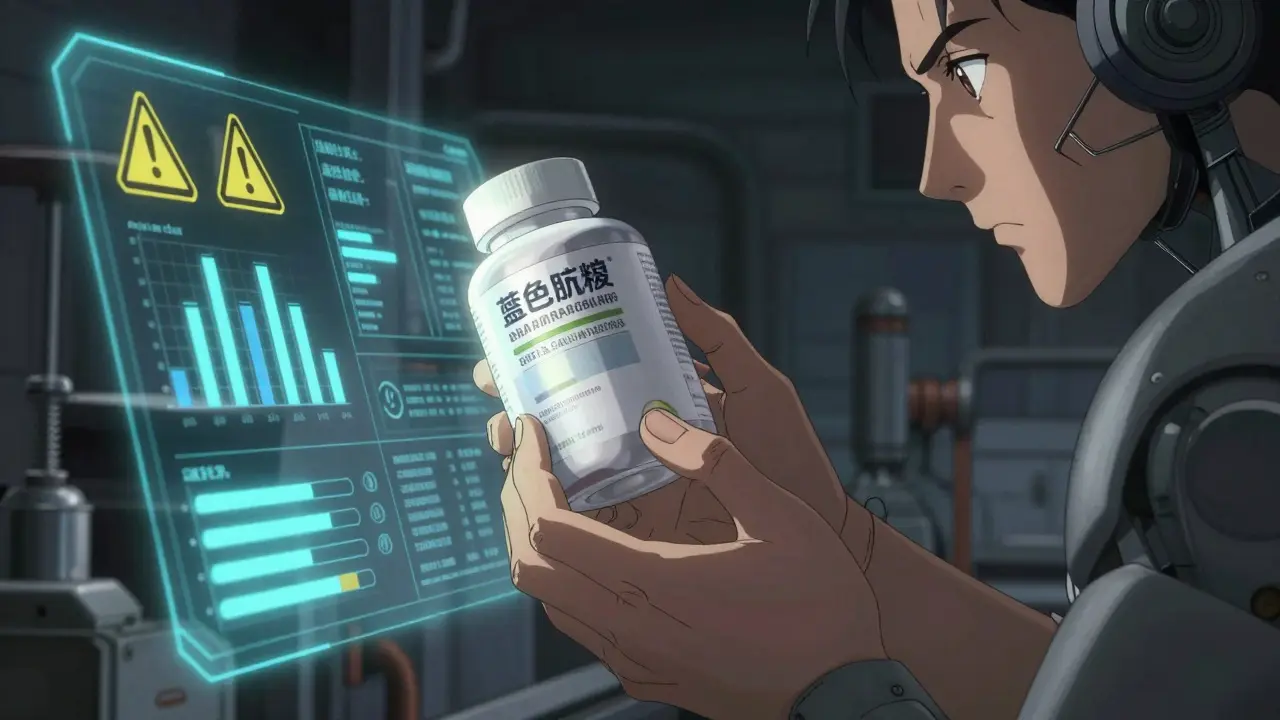
Bringing the actual bottles to your appointment helps too. Doctors can check the Latin binomial names on the labels to ensure you aren't taking multiple products with overlapping ingredients.
Reporting Adverse Events to the FDA
If you experience negative effects after starting a new supplement, report it. The FDA relies on consumer reports through its Safety Reporting Portal to identify trends and issue warnings. While only a small percentage of incidents are currently reported, each submission adds to the data pool that protects others. You can submit reports online, providing details about the product, symptoms, and timeline. This information helps the FDA decide whether to issue a public warning or pursue enforcement action against a manufacturer.
Future Regulatory Changes
The landscape is shifting. Congress is advancing the Dietary Supplement Listing Act, which would require companies to register their products with the FDA before marketing them. This change aims to close the loophole where manufacturers sell thousands of new products annually without notifying regulators. Additionally, the FDA has increased enforcement against CBD products and false advertising, issuing over 100 warning letters in recent years alone.
Until stricter laws pass, the responsibility falls on you. Treat herbal supplements with the same caution as prescription drugs. Verify sources, disclose usage to healthcare providers, and stay informed about FDA warnings. Your health depends on knowing what is truly inside the bottle.
Does the FDA approve herbal supplements before they are sold?
No. Unlike prescription drugs, herbal supplements do not require premarket approval from the FDA. Manufacturers are responsible for ensuring their products are safe and properly labeled, but they do not need to prove efficacy or safety to the FDA before selling them.
Which herbs are most likely to interact with prescription medications?
St. John's Wort is the most common culprit, interacting with antidepressants, birth control, and blood thinners. Other high-risk herbs include Ginkgo Biloba (blood thinning), Danshen (blood thinning), and Kava Kava (liver toxicity). Always consult your doctor before combining these with prescriptions.
How can I tell if a supplement is safe and pure?
Look for third-party verification seals from organizations like USP, NSF International, or ConsumerLab.com. These groups test products for identity, purity, and potency. Avoid products with vague "proprietary blends" or those making unapproved disease-curing claims.
Why does my doctor need to know about my vitamin intake?
Many vitamins and herbs contain active compounds that can alter how your body processes medications. For example, Vitamin K can counteract blood thinners, while St. John's Wort can make birth control pills ineffective. Full disclosure ensures your doctor can adjust treatments safely.
What should I do if I suspect a supplement made me sick?
Stop taking the product immediately and contact your healthcare provider. Then, report the adverse event to the FDA through their Safety Reporting Portal. Include details about the product name, batch number, symptoms, and when they started. This helps protect other consumers.