 Aug, 29 2026
Medication Flushing Relief & Mechanism Checker
Select the medication or symptom profile below to understand why your face is flushing and what steps can help reduce the discomfort.
You’re mid-meeting or sitting at a dinner party when your face suddenly feels like it’s on fire. Your cheeks turn bright red, your neck burns, and you can feel the heat radiating off your skin. It’s embarrassing, uncomfortable, and often confusing. If this happens after taking a pill, you’re likely experiencing medication-induced facial flushing. This isn’t just a cosmetic annoyance; it’s a physiological response where blood vessels in your face, neck, and chest widen rapidly. While it looks alarming, understanding why it happens and how to stop it can save you from ditching necessary treatments.
Why Does My Face Turn Red After Taking Pills?
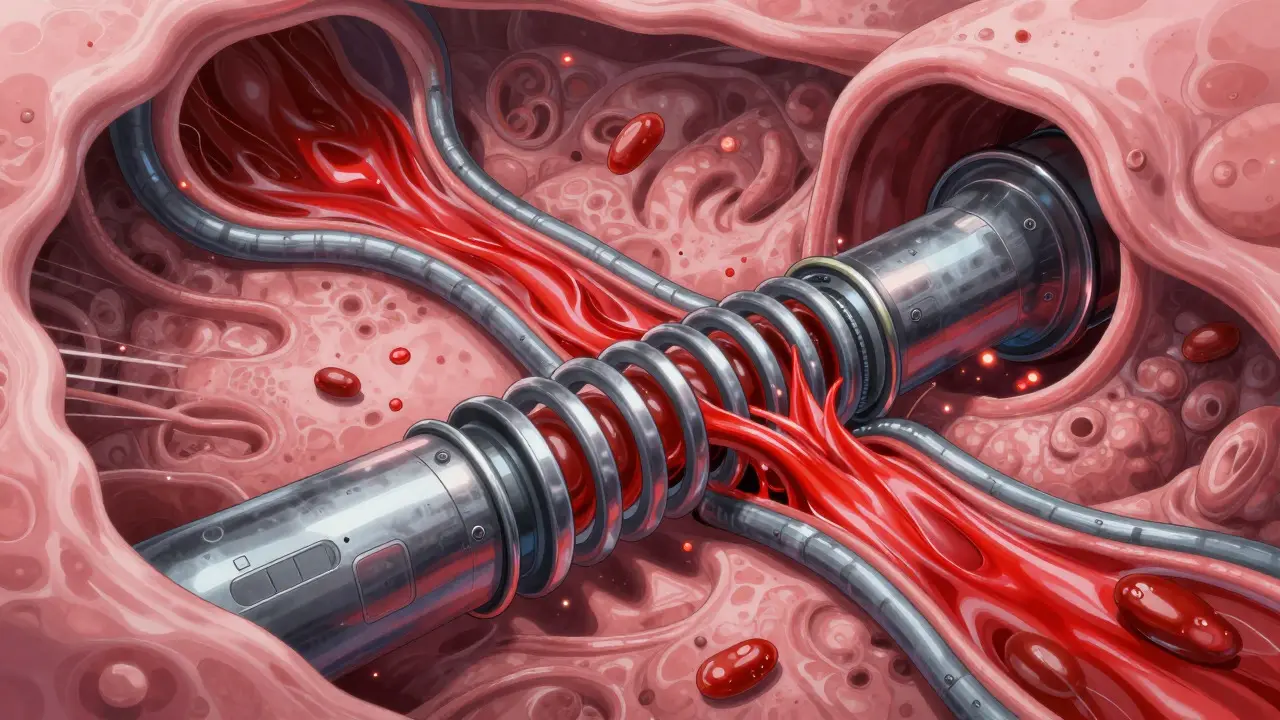
The core mechanism behind flushing is vasodilation. Think of your blood vessels as garden hoses. Normally, they are partially kinked or restricted. When certain drugs enter your system, they tell those muscles in the vessel walls to relax completely. Blood rushes into the tiny capillaries near the surface of your skin, causing that visible redness and warmth. This process is controlled by complex interactions between your vascular system and your nervous system.
Some drugs cause "dry" flushing, which is purely vascular. Others trigger "wet" flushing, where you also sweat because the drug affects the nerves controlling both blood flow and sweat glands. For instance, research into niacin shows its flush involves prostaglandins and an imbalance in the autonomic nervous system. It’s not just one switch being flipped; it’s a cascade of chemical signals telling your body to dump heat through your skin.
The Usual Suspects: Which Drugs Cause Flushing?
Not all medications are created equal when it comes to turning you into a tomato. Several specific classes of drugs are notorious for this side effect. Knowing these helps you anticipate the reaction rather than panic about it.
Vasodilators and calcium channel blockers are top offenders. These are designed to lower blood pressure by relaxing vessels, so facial flushing is actually a sign the drug is working. Common culprits include amlodipine, nifedipine, and nitrates like nitroglycerin. If you take these for hypertension or angina, expect some heat in the face, especially when you first start treatment or increase the dose.
Niacin (Vitamin B3) deserves special mention. Used for cholesterol management, it causes such distinct flushing that many patients quit therapy because of it. The reaction is mediated by prostaglandins, specifically 9alpha, 11beta-prostaglandin F(2). Unlike other drugs, taking aspirin only reduces niacin flushing by about 30%, meaning you still feel it, even if it’s slightly less intense.
Other frequent triggers include:
- Opioids like morphine, which release histamine and cause itching alongside redness.
- Corticosteroids and immunosuppressants like cyclosporine.
- Antibiotics such as vancomycin, which can cause "Red Man Syndrome," a specific type of flushing affecting the upper body.
- Hormonal treatments, including tamoxifen for breast cancer and GnRH agonists for prostate issues.
| Medication Class | Primary Mechanism | Typical Symptoms | Management Tip |
|---|---|---|---|
| Vasodilators / CCBs | Direct smooth muscle relaxation | Dry redness, warmth | Take with food; time may improve tolerance |
| Niacin | Prostaglandin release | Intense burning, tingling | Pre-medicate with aspirin (limited effect) |
| Opioids | Histamine release | Itching, redness, sweating | Slow infusion rate; antihistamines |
| Vancomycin | Non-immune histamine release | Rash on face/neck/chest | Slow down IV administration speed |
Is It Allergy or Side Effect?
This is the big question. Most people assume sudden redness means an allergic reaction. But true allergies involve the immune system producing antibodies (IgE), leading to hives, swelling, or breathing difficulties. Medication flushing is usually a predictable pharmacological effect, not an allergy. It doesn’t mean you’re "allergic" to the drug; it means the drug is doing exactly what it’s chemically programmed to do-dilate vessels.
For example, vancomycin flushing syndrome is often mistaken for anaphylaxis. However, it’s rate-dependent. If the antibiotic is pushed into the vein too quickly, mast cells degranulate and release histamine. Slow the drip, and the reaction often disappears without needing epinephrine. Recognizing this distinction prevents unnecessary labeling of allergies, which could limit future treatment options.
How to Stop the Burn: Relief Strategies
You don’t have to suffer in silence. Relief depends entirely on the cause. There is no single magic pill for all flushing, so tailoring the approach is key.
For histamine-mediated flushing (like from opioids), antihistamines are the go-to solution. H1 blockers help with the itch and redness, while H2 blockers might be added for stubborn cases. If the flushing is driven by anxiety or sympathetic nervous system overactivity, doctors sometimes prescribe beta-blockers or clonidine. Clonidine works by changing how your body responds to noradrenaline, effectively dialing down the "fight or flight" signal that widens your vessels.
For chronic, severe cases where meds aren’t enough, procedural interventions exist. Botulinum toxin injections can paralyze the specific nerves causing blushing, offering relief for up to six months. Vascular lasers target the visible capillaries, reducing the baseline redness. These aren’t first-line treatments but offer hope for those whose quality of life is severely impacted.
Lifestyle Tweaks That Actually Help
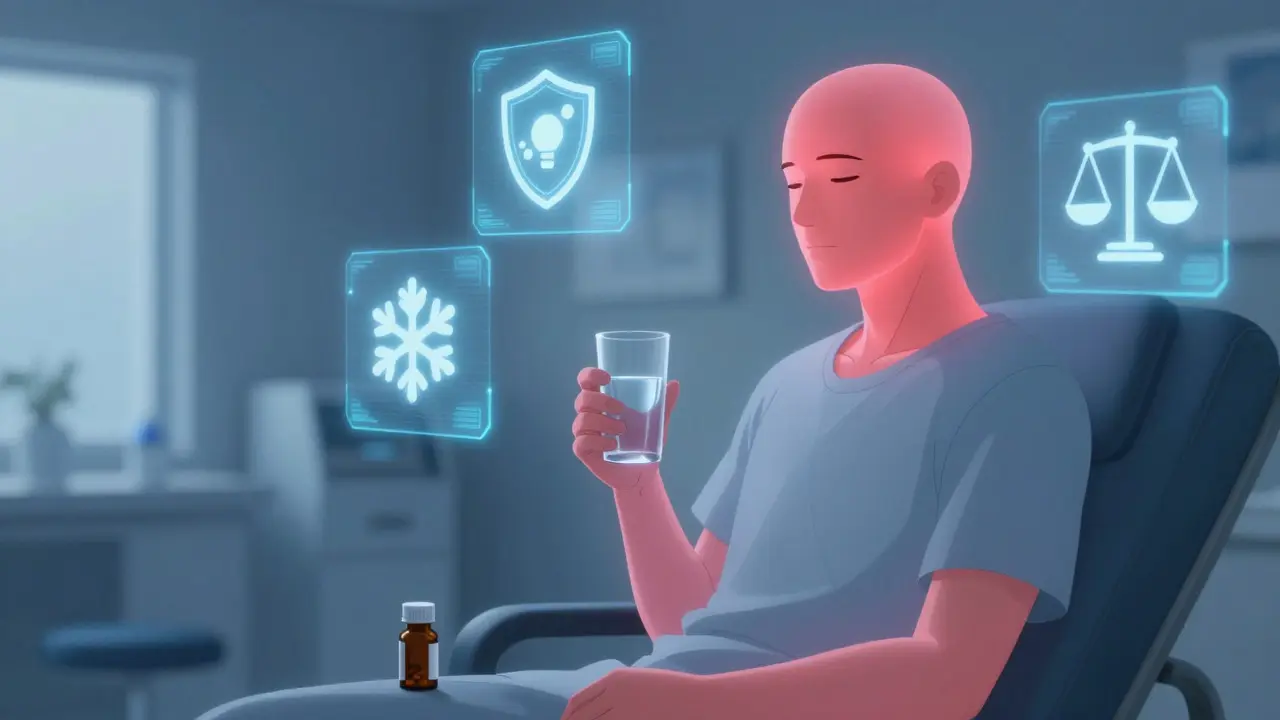
Before reaching for more pills, look at your environment. Flushing is often triggered by external factors interacting with your medication. Heat is a major catalyst. Hot showers, spicy foods, and alcohol can amplify the drug’s effect. Alcohol is particularly tricky; it dilates vessels itself, compounding the medication’s action. In some populations, genetic variations in alcohol metabolism enzymes make this reaction even more pronounced.
Stress management plays a huge role. Emotional flushing shares pathways with medication-induced flushing. Techniques like biofeedback or cognitive behavioral therapy can help regulate the nervous system response. Simple things like avoiding monosodium glutamate (MSG) or extreme temperature changes can reduce the frequency of episodes. Keep a log: note what you ate, the temperature, your stress level, and when the flush occurred. Patterns emerge quickly.
When to Call Your Doctor
While most flushing is harmless, context matters. If the redness comes with difficulty breathing, throat tightness, or dizziness, seek immediate care-that’s likely an allergic reaction, not simple flushing. If the flushing persists long after stopping the medication, or if it interferes significantly with daily life, talk to your prescriber. They might adjust the dosage, switch to a different drug class, or add a prophylactic agent like aspirin for niacin users.
Remember, discontinuing a heart medication because of a red face is rarely worth the risk unless discussed with a professional. Often, the body adapts to vasodilators within a few weeks, and the intensity of the flushing decreases naturally. Patience, combined with smart symptom management, usually wins out.
Does everyone get facial flushing from these medications?
No. Individual susceptibility varies widely due to genetics, age, and concurrent health conditions. Some people experience mild warmth, while others have intense burning sensations. Factors like hydration levels and metabolic rate also influence severity.
Can I take aspirin to prevent niacin flushing?
Yes, but it’s not a complete fix. Studies show aspirin blocks prostaglandin production involved in the flush, reducing symptoms by approximately 30%. It helps, but you will likely still feel some warmth and tingling.
Is facial flushing from opioids dangerous?
Usually, no. It is a common side effect caused by histamine release, not a true allergy. However, if accompanied by wheezing, swelling, or low blood pressure, it requires immediate medical attention to rule out anaphylaxis.
How long does medication-induced flushing last?
Duration depends on the drug’s half-life. For short-acting agents like nitroglycerin, it may last minutes. For longer-acting drugs like amlodipine, warmth might persist for hours. With consistent use, tolerance often develops, reducing duration over time.
Can lifestyle changes alone stop medication flushing?
Lifestyle changes help manage triggers but rarely eliminate the pharmacological cause entirely. Avoiding alcohol, spicy foods, and heat can significantly reduce frequency and intensity, making the side effect more tolerable.
Alex Brown
August 29, 2026 AT 19:14It is fascinating how our bodies interpret chemical signals as heat, isn't it? We often view medication side effects as failures of the drug, but in the case of flushing, it is actually a testament to the drug working exactly as intended. The vasodilation proves that the smooth muscles are relaxing and blood flow is increasing, which is precisely what we want for hypertension or angina. Instead of viewing the redness as an embarrassment, perhaps we should reframe it as visible proof of physiological change.
The distinction between allergy and side effect is crucial here too. Mislabeling a pharmacological response as an allergy can restrict future treatment options unnecessarily. By understanding the mechanism-whether it is prostaglandin-mediated or histamine-driven-we empower ourselves to manage symptoms rather than fear them. It requires patience and a shift in perspective, seeing the body not as an enemy fighting the medicine, but as a partner responding to it.
Kaylyn Mello
August 31, 2026 AT 05:42this is so helpful i always thought my niacin flush meant i was allergic
joyce Hogewoning
August 31, 2026 AT 11:16I remember one time I took a new blood pressure med before a huge presentation at work and my face turned completely crimson like a stop sign and everyone stared at me and I felt so humiliated because I couldn't explain why I looked like I had just run a marathon while sitting still
it was terrifying because I didn't know if I was having an allergic reaction or just dying from embarrassment and I wanted to disappear into the floorboards because all eyes were on my burning cheeks
the article explains the science behind it which makes me feel less crazy but honestly knowing the mechanism doesn't make the social awkwardness go away when you're sweating through your shirt in a cold conference room
I wish I had known about the timing with food earlier because now I take it right before bed so the worst part happens while I'm asleep dreaming weird dreams about being chased by tomatoes
it's such a lonely struggle sometimes because people think you're angry or lying when really you're just chemically overheating from a tiny pill
Thhomas Fox
September 2, 2026 AT 11:15Reframing the 'burn' as proof of healing changes everything. You've got this.
Fabian Saldana
September 3, 2026 AT 21:42Excellent analysis! It is imperative that patients understand the difference between a benign side effect and a life-threatening allergy. Many individuals discontinue necessary cardiovascular medications due to the cosmetic inconvenience of flushing, which can have severe long-term health consequences. Education is key. We must encourage open dialogue with healthcare providers to adjust dosages or administration times effectively. Do not let temporary discomfort derail your long-term health goals. Stay strong and informed!
Amy Zalkin
September 5, 2026 AT 18:00omg yes!! 🍅🔥 the spicy food thing is real tho. i learned the hard way after eating some ghost pepper wings while on my meds. felt like my head was gonna explode lol. totally worth avoiding though if u value ur dignity 😂 also keeping a log helped me spot patterns fast. highly recommend!!
Owen John
September 6, 2026 AT 21:18One has to wonder if the pharmaceutical companies downplay these social side effects intentionally. If patients knew how conspicuous the flushing would be, compliance rates might drop further. It seems convenient for them to label it a minor nuisance when it affects daily interactions significantly. Perhaps there is more to the marketing strategy than meets the eye regarding patient adherence.
Maneesh kv
September 7, 2026 AT 06:18Bro listen up!!! 🛑 Don't quit your meds just bcoz of a red face!! 💊 Your heart needs those pills more than your ego needs to look cool!! 😤 Take aspirin before niacin if u can, drink water, and chill out!! 🧘♂️ Stress makes it worse anyway!! Talk to ur doc they can switch meds no prob!! Don't be lazy with ur health!! 👊💪
Kathleen McGrath
September 8, 2026 AT 19:43This gave me hope that I can manage this without stopping my treatment. It feels good to know there are practical steps like adjusting timing or using antihistamines. Knowing it is not an allergy takes a huge weight off my mind. Thank you for sharing this clear information.