 May, 12 2026
Prescription drug prices have been a headache for years. You go to the counter, hand over your card, and get hit with a copay that feels like it was pulled out of thin air. Meanwhile, the company that made the medicine might actually be losing money on the sale because of hidden rebates paid to middlemen. That system is breaking down. In 2025 and early 2026, a new wave of direct-to-consumer (DTC) generic pharmacies has emerged, changing how we buy, pay for, and receive our medications.
This isn't just about ordering pills online anymore. It’s a fundamental shift in business models where pharmaceutical companies and specialized platforms cut out the traditional intermediaries-wholesalers, retail chains, and Pharmacy Benefit Managers (PBMs)-to sell directly to you. The result? Transparent pricing, faster access, and a direct relationship between the patient and the provider. But this new model comes with its own set of rules, risks, and realities you need to understand before switching.
The End of the Middleman: Why DTC Models Are Rising
To understand why DTC generic pharmacies are popping up everywhere, you first have to look at what they’re replacing. For decades, the path from manufacturer to patient looked like this: Manufacturer → Wholesaler → PBM → Retail Pharmacy → Patient. Each step added cost, complexity, and opacity.
PBMs, often called the "Big Three" (CVS Caremark, Express Scripts, and OptumRx), control roughly 78% of prescription claims. They negotiate rebates with drug makers, but those savings rarely reach the consumer. In fact, Techspert’s analysis showed these three PBMs generated $28 billion in gross profit in 2024 alone. Manufacturers were frustrated, paying billions in rebates while seeing little benefit for patients or themselves.
Direct-to-consumer pharmacy models are business structures that allow manufacturers or specialized platforms to sell medications directly to patients, eliminating traditional distribution layers. By removing wholesalers and retail markups, these platforms can offer significant discounts. For generic medications specifically, established telehealth companies like Ro, Hims & Hers, and Honeybee Health have pioneered cash-based delivery models that offer 30-50% discounts compared to traditional pharmacy prices.
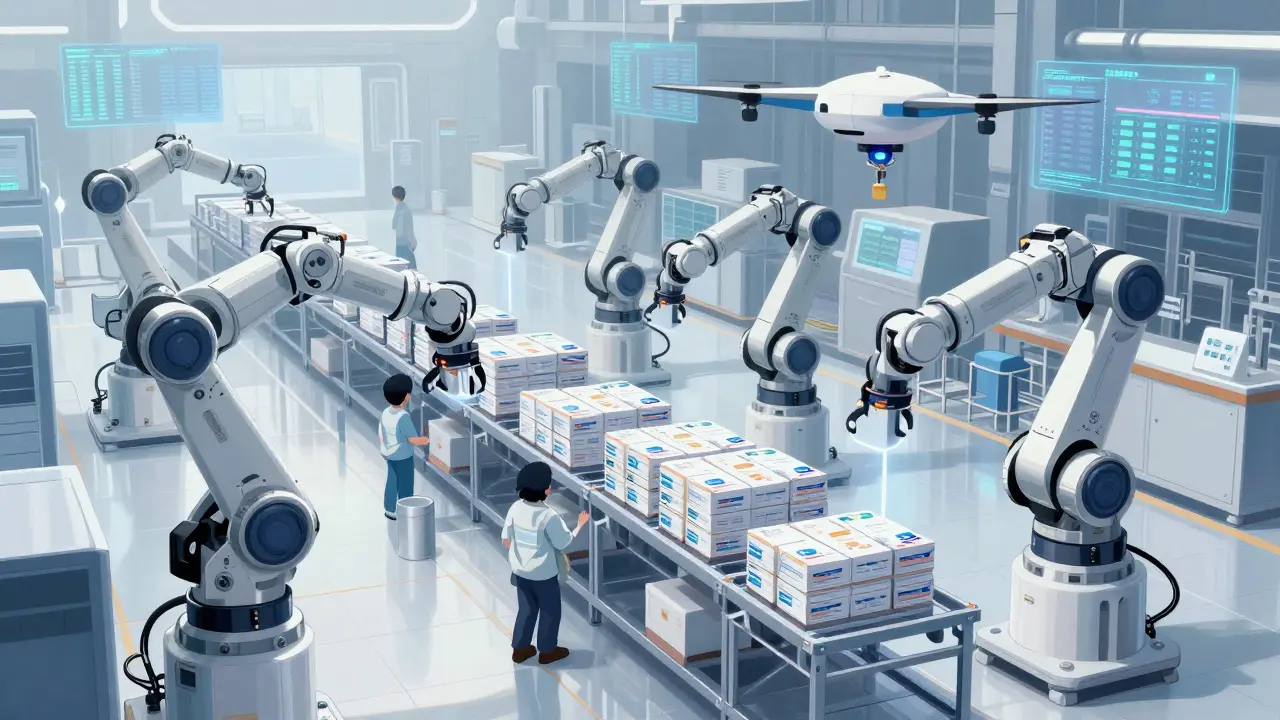
The catalyst for this shift accelerated after May 2025, when executive orders mandated drug manufacturers to match lower international prices and expand DTC programs. This regulatory push forced big pharma to build their own infrastructure. Companies like Eli Lilly (LillyDirect) and Pfizer (PfizerForAll) launched integrated Direct-to-Patient (DTP) platforms that combine telehealth, e-prescribing, and home delivery. While these started with brand-name drugs, the technology and logistics are now being applied to generics, creating a hybrid market where both pure-play generic DTC pharmacies and big-pharma-backed platforms compete for your wallet.
How Modern DTC Pharmacy Platforms Work
If you’ve used an online pharmacy before, you know the basics: upload a script, pay, wait for mail. But modern DTC platforms are far more sophisticated. They aren’t just digital storefronts; they are integrated health ecosystems.
The technical architecture relies on cloud computing to handle real-time data access, allowing for seamless telehealth consultations and digital pharmacy operations. Here is what happens behind the scenes when you use a top-tier DTC platform:
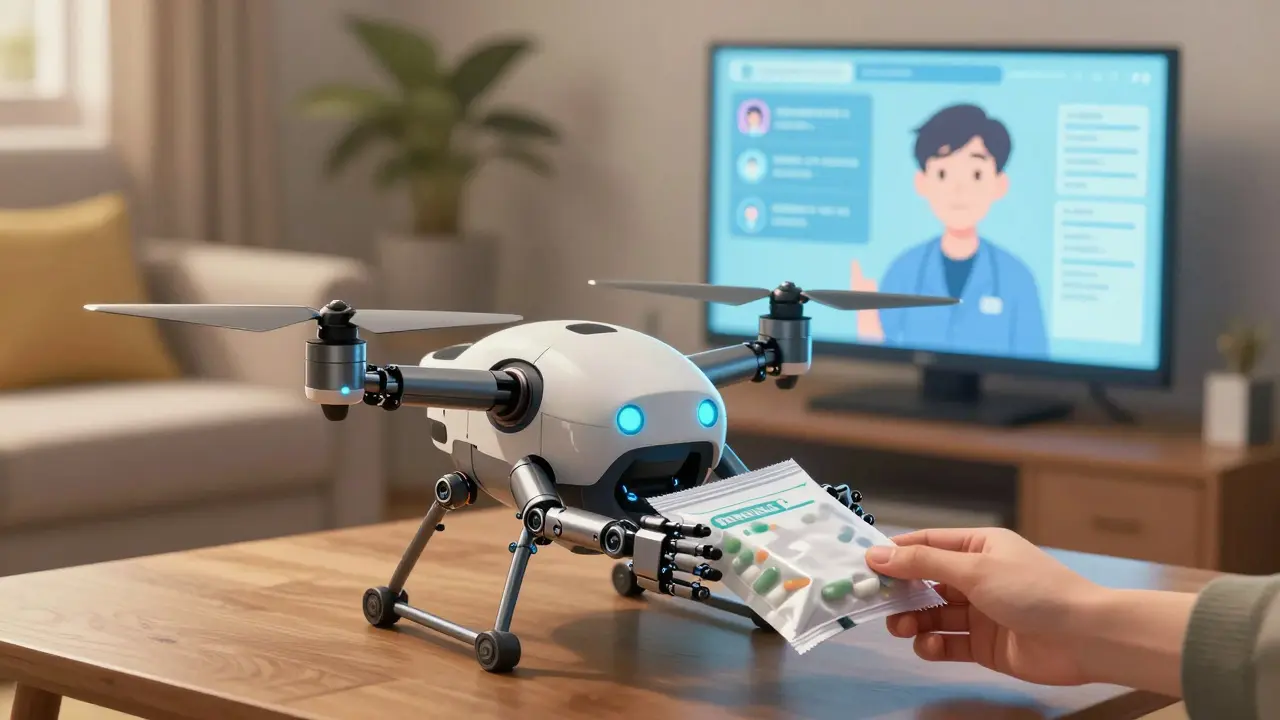
- Telehealth Integration: Many platforms offer remote diagnosis capabilities. You speak with a clinician via video call, who then sends an electronic prescription directly into the system.
- E-Prescribing Networks: These systems integrate with major networks like Surescripts, ensuring your prescription is valid and checked against your history.
- AI-Driven Adherence: Artificial intelligence powers chatbots and health assistants that remind you to take your meds. This isn’t just a nice-to-have; AI provides predictive insights for early risk detection, helping prevent missed doses.
- Home Delivery Logistics: Instead of sitting in a warehouse waiting for a wholesaler, drugs are shipped directly from ring-fenced factory lots. This protects supply during shortages and reduces environmental waste.
Galen Growth Research found that platforms integrating all five critical elements-remote diagnosis, telehealth, online pharmacy, disease management, and insurance tech-reduce time-to-therapy by an average of 3.7 days. That’s nearly four days faster than the traditional route of visiting a doctor, getting a paper script, driving to a pharmacy, and waiting in line.
DTC vs. Traditional Pharmacies: A Cost and Convenience Comparison
You might be wondering if the convenience is worth it, or if you’re missing out on something by skipping your local Walgreens or CVS. Let’s break down the differences.
| Feature | Traditional Retail Pharmacy | DTC Generic Platform |
|---|---|---|
| Pricing Transparency | Low (Hidden rebates, complex copays) | High (Cash-pay clarity, no hidden fees) |
| Average Savings on Generics | Variable (Often higher copays) | 30-50% off list price |
| Delivery Time | Immediate (In-store pickup) | 3-7 business days (Home delivery) |
| Pharmacist Consultation | In-person, readily available | Virtual/Chat-based (Can be limited) |
| Insurance Integration | Seamless (Most plans accepted) | Mixed (Often cash-only or partial integration) |
| Adherence Support | Minimal (Phone reminders) | High (AI apps, automated refills) |
The biggest win for DTC is price. If you have a high-deductible health plan or pay cash, DTC platforms are almost always cheaper. Ro, for example, processed approximately 2.1 million prescription orders in Q1 2025, largely driven by these cost savings. However, the trade-off is speed and personal interaction. You won’t get your meds today. And while virtual pharmacist lines exist, they don’t replace the immediate, face-to-face advice you might get from a local pharmacist about potential drug interactions.
Regulatory Hurdles and Safety Concerns
It’s not all smooth sailing. The FDA and state pharmacy boards are watching these new models closely. Launching a compliant DTC program is expensive and slow. According to PharmExec, obtaining pharmacy licenses in all 50 states plus Washington D.C. takes 14-18 months and costs around $2.3 million in legal and administrative expenses.
Why so much red tape? Because safety is paramount. Critics like Dr. Sarah Chen from Johns Hopkins warn that DTC models risk bypassing pharmacists, which could lead to missed drug interactions. Drug Topics documented 17 cases in late 2025 where potential interactions might have been caught by a human pharmacist review but were missed in automated DTC workflows.
To mitigate this, leading platforms staff one pharmacist per 5,000 active patients and maintain 24/7 consultation lines. They also invest heavily in cybersecurity. Protecting patient data under HIPAA regulations is non-negotiable. A breach here doesn’t just mean stolen credit cards; it means exposed medical histories. EPAM analysts note that cybersecurity vulnerabilities represent the single greatest risk to DTC platform viability.
Who Wins and Who Loses?
This shift creates winners and losers across the healthcare spectrum.
Patients win on price and convenience, especially those with chronic conditions. A 2025 survey found 73% of patients using DTC services reported improved medication adherence due to automated reminders and easy refills. However, 29% expressed concern about the lack of personalized pharmacist care.
Manufacturers win by capturing patient data previously held by PBMs. They can now see firsthand how patients behave, which drugs work best, and where drop-offs occur. This data goldmine allows for better R&D decisions and targeted support.
PBMs and Retail Chains lose ground. As manufacturers build their own DTC infrastructure, the power balance shifts. The "Big Three" PBMs are facing increasing pressure as their monopoly on patient data erodes. If the rebate column shrinks toward zero, as some analysts predict, their entire valuation model needs rewriting.
Small Local Pharmacies face an existential threat. They cannot compete with the economies of scale that large DTC platforms enjoy. Unless they pivot to offer specialized compounding or deep community care services, many may struggle to survive.

What to Look for When Choosing a DTC Pharmacy
Not all DTC pharmacies are created equal. Some are robust, well-funded platforms; others are fly-by-night operations. Here is a checklist to ensure you’re safe:
- Licensing: Ensure the pharmacy is licensed in your state. Legitimate platforms will display their NABP (National Association of Boards of Pharmacy) verification clearly.
- Pharmacist Access: Check if there is a real way to talk to a pharmacist. Chatbots are great for reminders, but terrible for complex medical questions.
- Data Privacy: Read their privacy policy. Do they comply with HIPAA? How do they store your health data?
- Price Clarity: Avoid platforms that hide shipping costs or require subscriptions to see final prices. True DTC models pride themselves on transparency.
- Return Policy: What happens if the package arrives damaged or the wrong medication is sent? Reputable companies have clear return and refund policies.
User feedback reflects these priorities. Trustpilot reviews for Honeybee Health show a 3.8/5 average rating, with 68% of positive reviews citing price transparency. Conversely, negative reviews often mention delivery delays or customer service response times exceeding 48 hours. Always check recent reviews, not just the overall score.
The Future of Prescription Purchasing
We are only at the beginning of this transition. IQVIA reported that DTC pharmaceutical sales reached $18.7 billion in Q3 2025, representing 3.1% of total prescription sales-a massive jump from 0.8% just two years prior. The trend is accelerating.
Expect more hybrid models. Pharmaceutical executives surveyed by Galen Growth indicated that 83% plan to use hybrid distribution strategies, combining DTC channels with traditional ones. This means you might buy your daily blood pressure medication through a DTC app for the lowest price, but still visit your local pharmacy for urgent prescriptions or complex therapies requiring close monitoring.
As regulatory frameworks settle and technology improves, DTC generic pharmacies will likely become the standard for routine, maintenance medications. The key for consumers is to stay informed, compare prices critically, and never sacrifice safety for convenience. The power is shifting back to the patient, but it requires you to be an active participant in your healthcare journey.
Are direct-to-consumer generic pharmacies safe?
Yes, provided they are licensed and accredited. Legitimate DTC pharmacies must adhere to strict FDA regulations and HIPAA privacy laws. Look for verification from the National Association of Boards of Pharmacy (NABP). However, always consult your doctor before switching, especially if you have complex health conditions, to ensure no drug interactions are missed.
Do DTC pharmacies accept insurance?
Many DTC generic pharmacies operate on a cash-pay model, offering transparent prices that are often lower than insurance copays. However, some larger platforms are beginning to integrate with insurance providers. Always check the specific platform’s payment options. If you have a high-deductible plan, paying cash via DTC might be cheaper than using your insurance.
How much can I save with a DTC generic pharmacy?
Savings vary by medication, but studies show DTC platforms typically offer 30-50% discounts on generic medications compared to traditional retail pharmacy prices. For brand-name drugs, savings are usually smaller (10-15%) unless the manufacturer has a specific DTC discount program.
What is the difference between a DTC pharmacy and a regular online pharmacy?
A regular online pharmacy often acts as a retailer that still uses traditional supply chains. A true DTC pharmacy model involves the manufacturer or a specialized platform cutting out wholesalers and PBMs entirely. DTC models often include additional services like telehealth, AI-driven adherence tracking, and direct patient-manufacturer relationships, whereas standard online pharmacies are primarily transactional.
Is my data secure with DTC pharmacy platforms?
Reputable DTC platforms use enterprise-grade cybersecurity measures to protect your data, complying with HIPAA regulations. They encrypt sensitive information and restrict access to authorized personnel. However, as with any digital service, you should review their privacy policy to understand how your data is stored and whether it is shared with third parties.