 May, 7 2026
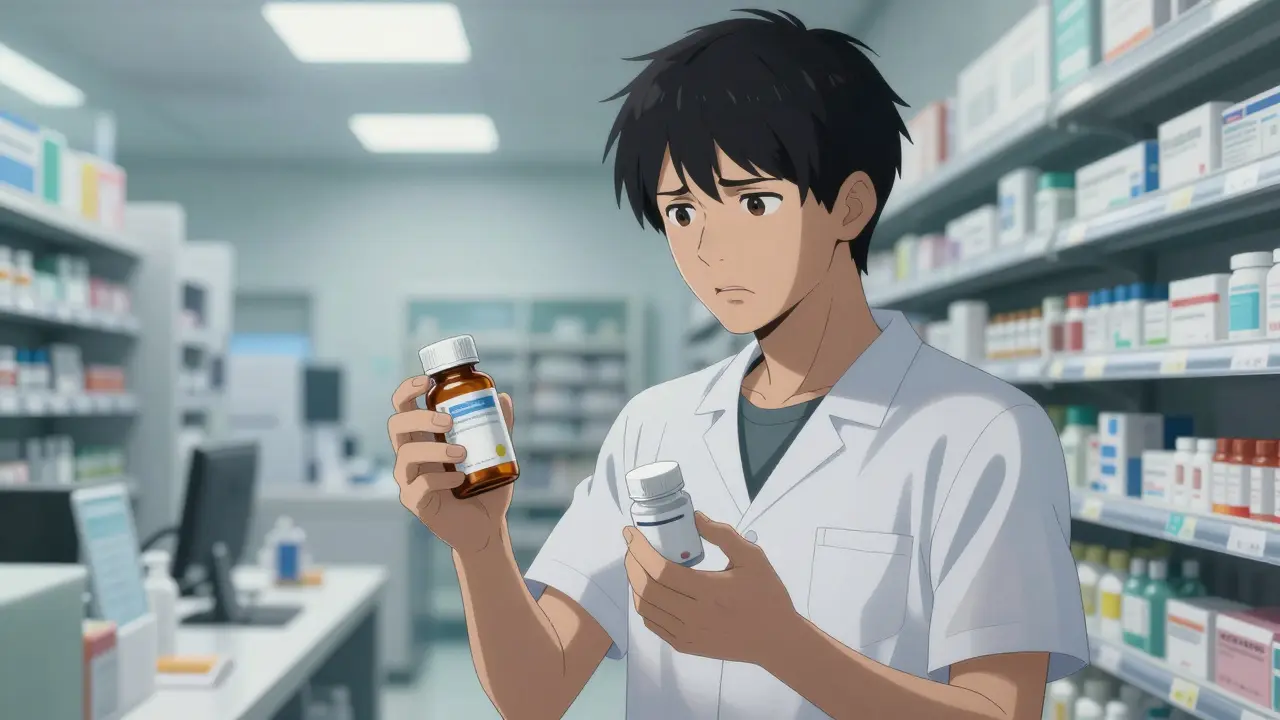
Imagine walking into a pharmacy, picking up your prescription, and noticing the pill looks different from the one you took last month. It’s smaller, a different color, maybe even shaped like a diamond instead of a circle. For many patients, this visual change triggers immediate anxiety. Is it still safe? Will it work as well? These questions are not just hypothetical-they represent a significant barrier in modern healthcare. In fact, nearly half of all Americans incorrectly believe that generic drugs are less effective than their brand-name counterparts, despite decades of scientific evidence proving otherwise.
This misconception is exactly why community health presentations have become such a vital tool in public health strategy. Educating patients about the safety, efficacy, and economic benefits of generic medications is no longer optional; it is a critical component of healthcare literacy. With over 90% of prescriptions filled in the United States being for generic drugs, understanding how to communicate their value effectively can literally save lives-and billions of dollars.
The Science Behind Generic Equivalence
To educate others effectively, you first need to understand the rigorous standards that define generic medication. The U.S. Food and Drug Administration (FDA) maintains strict oversight through its Office of Generic Drugs, reviewing approximately 1,000 Abbreviated New Drug Applications (ANDAs) every year. This process ensures that every approved generic drug meets the same high standards for quality, strength, purity, and stability as the original brand-name product.
The core concept here is bioequivalence. When a generic drug is approved, it must demonstrate that it delivers the active ingredient into the bloodstream at the same rate and extent as the brand-name version. Specifically, the FDA requires that the generic’s pharmacokinetic parameters-measured by Cmax (maximum concentration) and AUC (area under the curve)-fall within an 80-125% confidence interval compared to the brand. This means that while there may be minor statistical variations, the clinical effect on the patient is identical.
| Attribute | Brand-Name Drug | Generic Drug |
|---|---|---|
| Active Ingredient | Original formulation | Identical to brand |
| Dosage Form & Strength | Specific to brand | Must match brand exactly |
| Inactive Ingredients | Proprietary mix | May differ (color, fillers) |
| Bioequivalence Requirement | N/A (Reference standard) | 80-125% range vs. brand |
| Average Cost Savings | $0 | 80-85% less expensive |
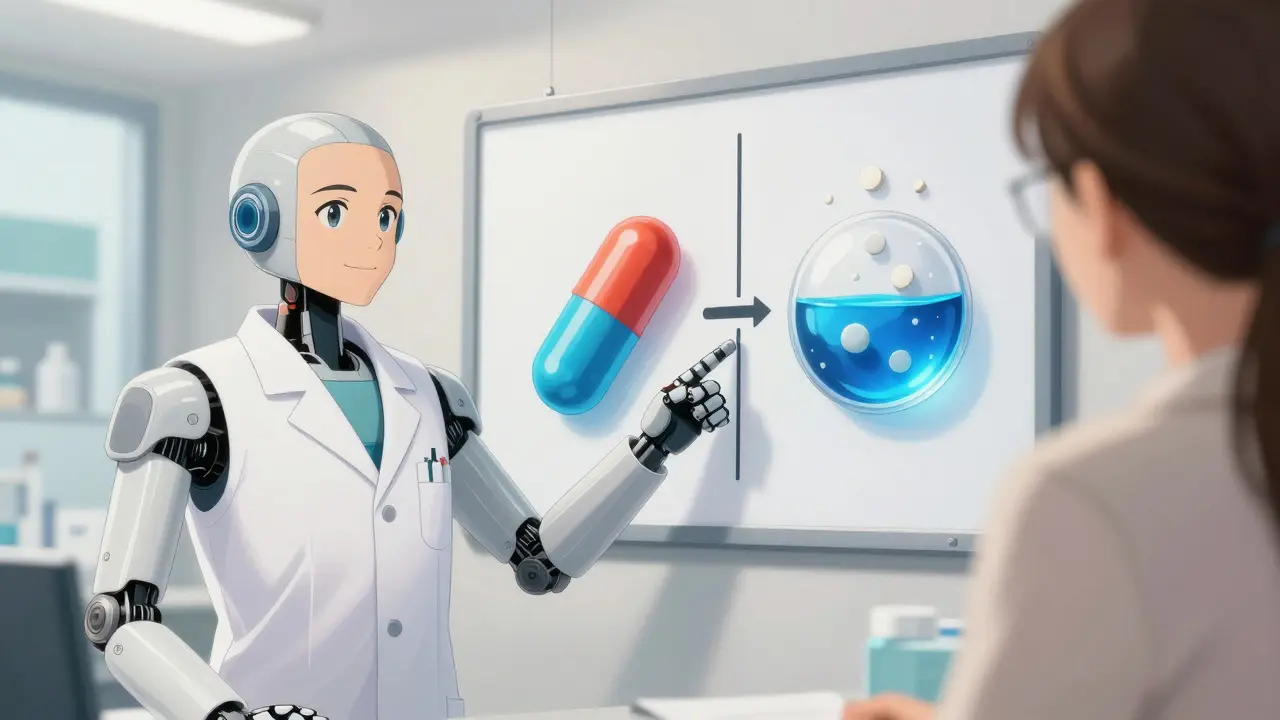
It is important to note that while the active ingredients must be identical, inactive ingredients-such as dyes, flavors, or preservatives-can differ. This is often the source of patient confusion. A pill might look different because it lacks a specific dye used by the brand manufacturer, but the therapeutic agent inside remains unchanged. Explaining this distinction clearly is one of the most effective ways to build trust during community health presentations.
Why Patient Education Matters Now More Than Ever
The push for better public education on generics gained significant momentum in September 2017 when the FDA launched its formal Generic Drugs Patient Education program. Spearheaded by then-FDA Commissioner Scott Gottlieb, M.D., this initiative was designed to address a glaring information gap. A 2016 CVS Health study revealed that 87% of patients had experienced misconceptions about generic medications, with many fearing reduced efficacy or increased side effects.
The stakes are high. According to the Association for Accessible Medicines (AAM), generic drugs generate $377 billion in annual savings for the U.S. healthcare system. If patients refuse generics due to unfounded fears, they face significantly higher out-of-pocket costs, which can lead to medication non-adherence. Non-adherence, in turn, results in worse health outcomes, more hospital visits, and a strain on already fragile healthcare resources.
Recent data shows progress, but challenges remain. As of November 2023, 90.8% of all prescriptions filled in the U.S. were for generic drugs. However, acceptance varies widely by therapeutic class. While generics achieve a 95% market share for cardiovascular medications, they only reach 68% for central nervous system drugs. This disparity highlights the need for targeted educational efforts, particularly in areas where patients are more sensitive to perceived changes in medication performance.
Effective Communication Strategies for Community Settings
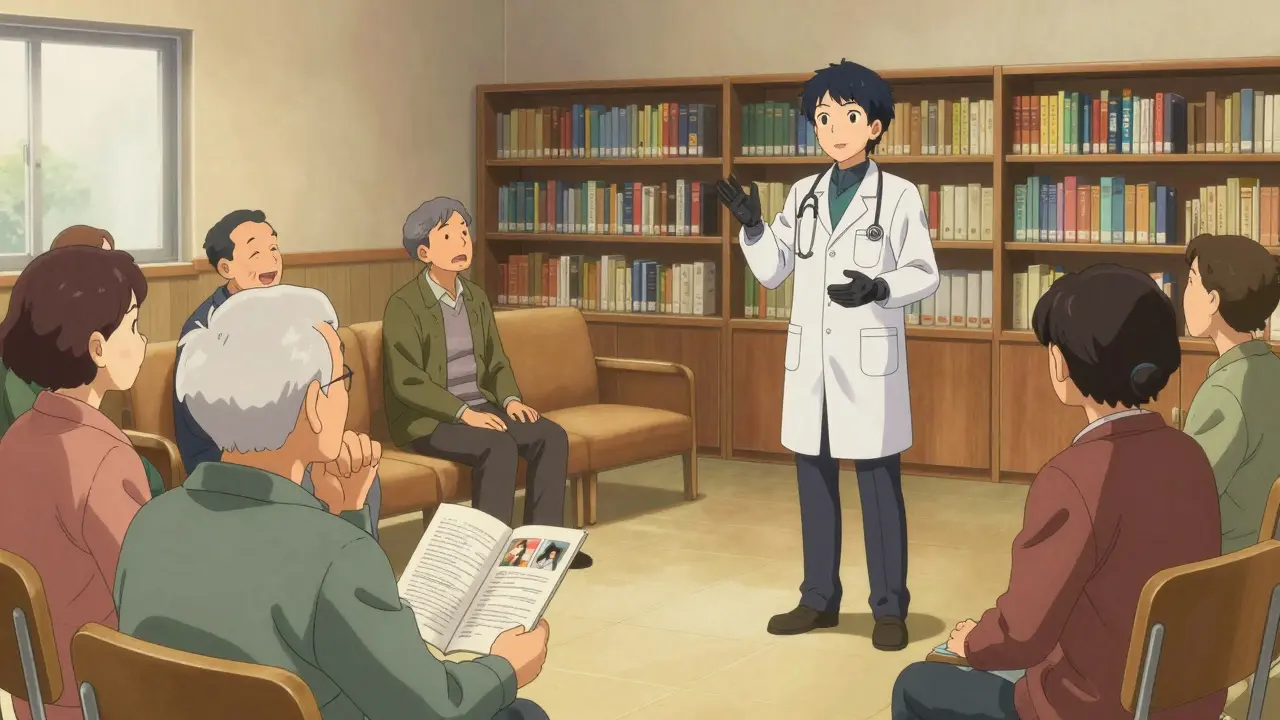
Conducting successful community health presentations requires more than just sharing facts; it requires connecting with people on an emotional level. The FDA’s Generic Drug Stakeholder Toolkit offers 14 evidence-based communication strategies that have been validated through clinical trials. One of the most powerful methods is the "Teach-Back" technique.
The Teach-Back method involves asking patients to repeat back what they’ve learned in their own words. This simple step helps healthcare providers identify misunderstandings immediately. For example, instead of saying, "Do you understand how generics work?" you might ask, "Can you explain to me why your new pill looks different but works the same way?" Studies show that using this approach improves patient understanding by 28-42%.
- Use Plain Language: Avoid medical jargon. Instead of saying "bioequivalent," say "works the same way in your body."
- Address Appearance Directly: Acknowledge that pills may look different due to inactive ingredients like dyes, but emphasize that the medicine inside is identical.
- Leverage Visual Aids: Use infographics and videos from the FDA’s library, which includes over 2,147 resources in English and Spanish.
- Highlight Cost Benefits: Clearly explain how switching to generics can free up money for other essential needs, such as food or housing.
Pharmacists play a crucial role in this ecosystem. A 2021 American Pharmacists Association study found that 97% of pharmacists feel confident in generic equivalence. Yet, patient acceptance often hinges on prescriber endorsement. A 2022 JAMA Internal Medicine study demonstrated that when physicians explicitly recommend generics, patient acceptance jumps from 52% to 89%. Therefore, community health presentations should aim to empower both patients and providers with consistent messaging.
Overcoming Common Barriers and Misconceptions
Even with the best resources, some barriers persist. One major issue is the "nocebo effect," where patients experience negative side effects simply because they believe the generic drug is inferior. A 2021 Annals of Internal Medicine study found that discontinuation rates for generics were 18.7% higher when patients knew they were receiving a generic versus when they were blinded to the type of medication. This psychological phenomenon underscores the importance of framing generic drugs positively.
Another challenge lies in specialized therapeutic areas. For instance, a 2023 study published in Epilepsy & Behavior noted a 12.7% higher seizure recurrence rate when patients switched from brand-name antiepileptic drugs to generics. However, the American Academy of Neurology clarifies that this represents an extremely rare exception rather than the rule. Most patients tolerate switches without issue. Addressing these nuances honestly builds credibility. You don’t need to hide potential risks; instead, explain them in context and reassure patients that monitoring and support are available.
Rural communities also face unique hurdles. According to the 2022 CDC National Health Interview Survey, generic utilization stands at only 78% in rural areas compared to 93% in urban centers. This gap may stem from limited access to healthcare providers who can offer personalized counseling. Community health presentations can help bridge this divide by bringing expert information directly to underserved populations through local libraries, senior centers, and faith-based organizations.
Resources and Tools for Educators
If you are planning a community health presentation, you don’t need to start from scratch. Several authoritative sources provide ready-to-use materials:
- FDA Generic Drugs Patient Education Program: Offers a comprehensive library of videos, fact sheets, and provider toolkits. Their "Generics 101" video series, launched in 2023, specifically targets Medicare beneficiaries and has shown a 31% improvement in knowledge retention among viewers aged 65+.
- Association for Accessible Medicines (AAM): Their "Generics for Better Health" campaign has distributed 2.7 million educational brochures through over 14,300 community health centers nationwide.
- Academy of Managed Care Pharmacy (AMCP): Position Statement #1 reaffirms that generics are safe and cost-effective, providing clinicians with language to use during patient consultations.
- American Medical Association (AMA): Resolution 307 supports physician-led education initiatives, offering guidelines for integrating generic discussions into routine care.
These resources are designed to be adaptable. Whether you are speaking to a group of seniors concerned about rising medication costs or young parents managing chronic conditions, tailoring the message to their specific concerns increases engagement and impact.
Future Directions in Generic Drug Education
Looking ahead, the focus is shifting toward health equity and complex generics. The FDA’s 2022 handout on Generic Drugs and Health Equity highlights that switching to generics improves medication adherence by 22% among low-income populations. This finding has prompted the National Association of Community Health Centers to mandate generic education components in all patient counseling sessions starting January 2024.
Additionally, as more brand-name drugs lose patent protection between 2023 and 2028, the market will see an influx of complex generics-such as inhalers, topical creams, and injectables. These products require specialized education because their delivery mechanisms can differ slightly from brand versions. Early surveys indicate a 40% higher confusion rate among patients using complex generics, signaling a need for more detailed instructional materials and hands-on demonstrations during community presentations.
By leveraging existing resources, employing proven communication strategies, and addressing common misconceptions head-on, healthcare professionals can transform community health presentations into powerful tools for improving public health. The goal is not just to inform, but to empower patients to make confident, cost-effective decisions about their care.
Are generic drugs really as safe as brand-name drugs?
Yes. The FDA requires generic drugs to meet the same strict standards for safety, efficacy, and quality as brand-name drugs. They must contain the same active ingredient, strength, dosage form, and route of administration. The only differences may be in inactive ingredients like colors or flavors, which do not affect how the drug works.
Why do generic pills sometimes look different?
Generic pills may differ in size, shape, or color because manufacturers can use different inactive ingredients, such as dyes or fillers. These cosmetic differences do not impact the drug's effectiveness. The active ingredient-the part that treats your condition-is identical to the brand-name version.
How much money can I save by taking generic drugs?
On average, generic drugs cost 80-85% less than brand-name equivalents. This significant price difference allows patients to afford their medications more easily and contributes to billions in annual savings for the healthcare system.
What is the 'nocebo effect' in relation to generics?
The nocebo effect occurs when patients experience negative side effects because they expect them, often due to believing that generic drugs are inferior. Research shows that knowing you are taking a generic can increase discontinuation rates by nearly 19%, highlighting the importance of positive patient education.
Where can I find free educational materials on generic drugs?
The FDA provides a extensive library of resources, including videos, infographics, and fact sheets, available in English and Spanish. Additionally, the Association for Accessible Medicines (AAM) and the Academy of Managed Care Pharmacy (AMCP) offer toolkits and position statements suitable for community health presentations.